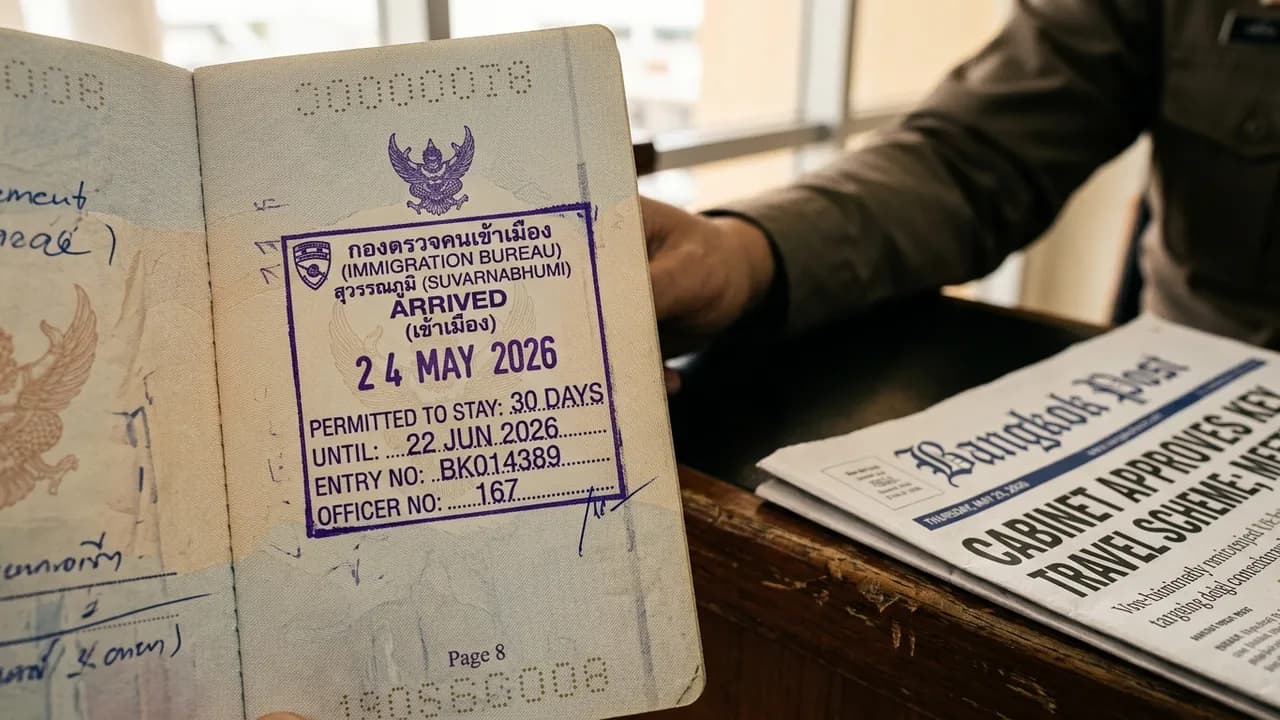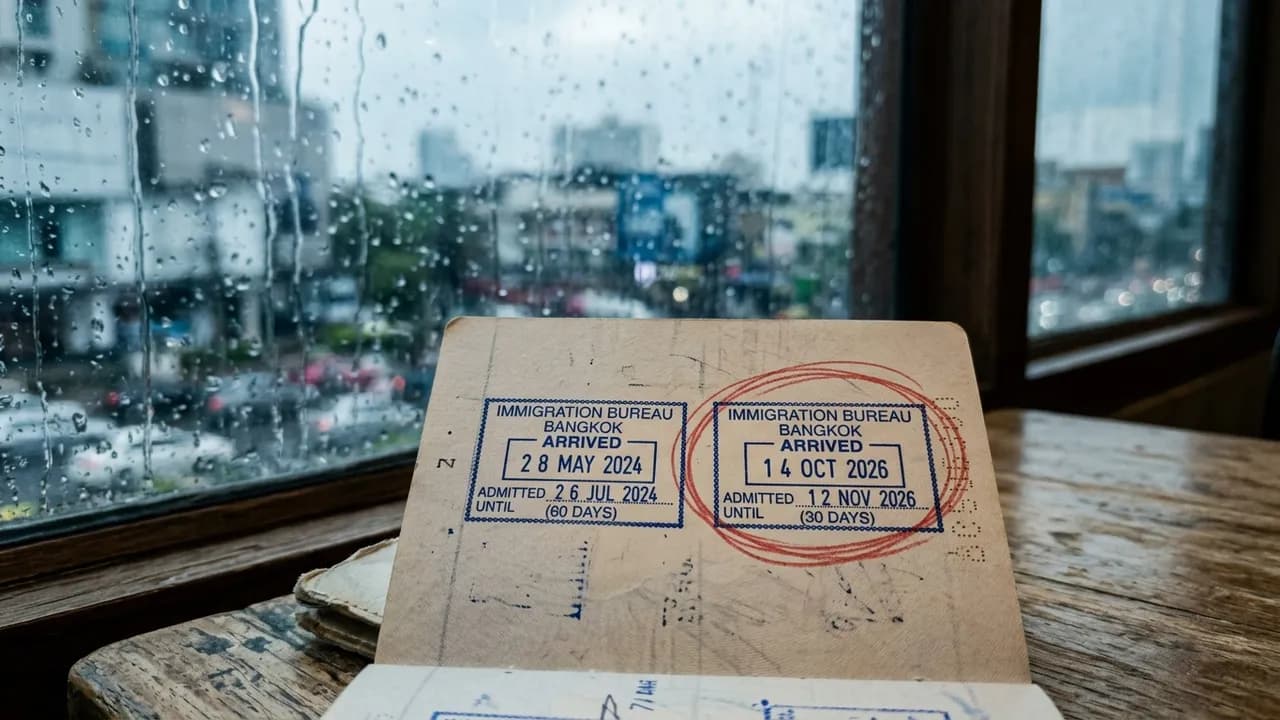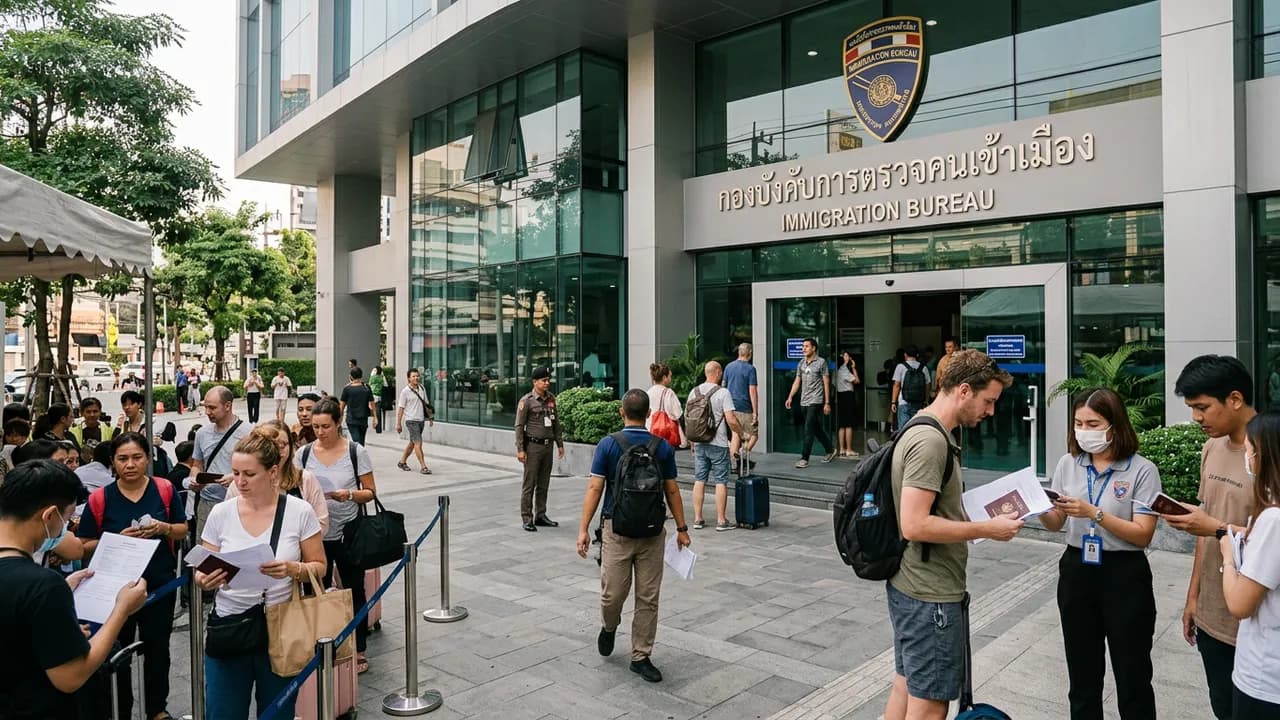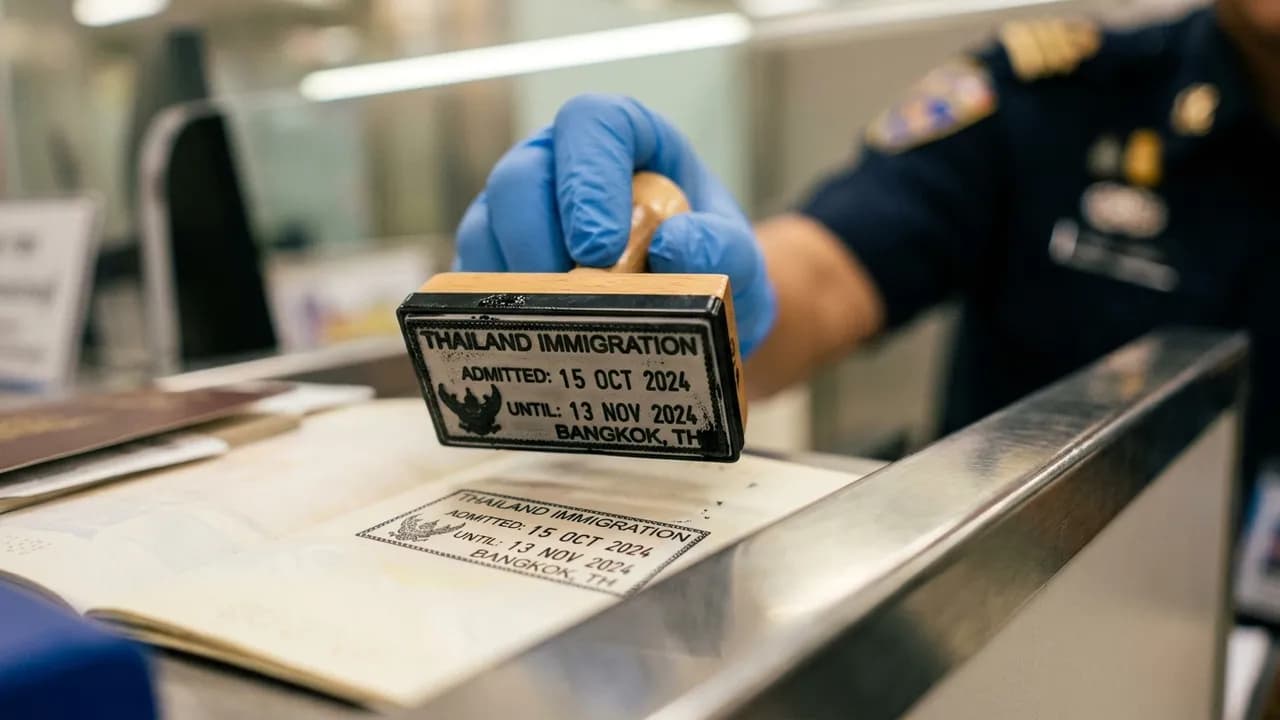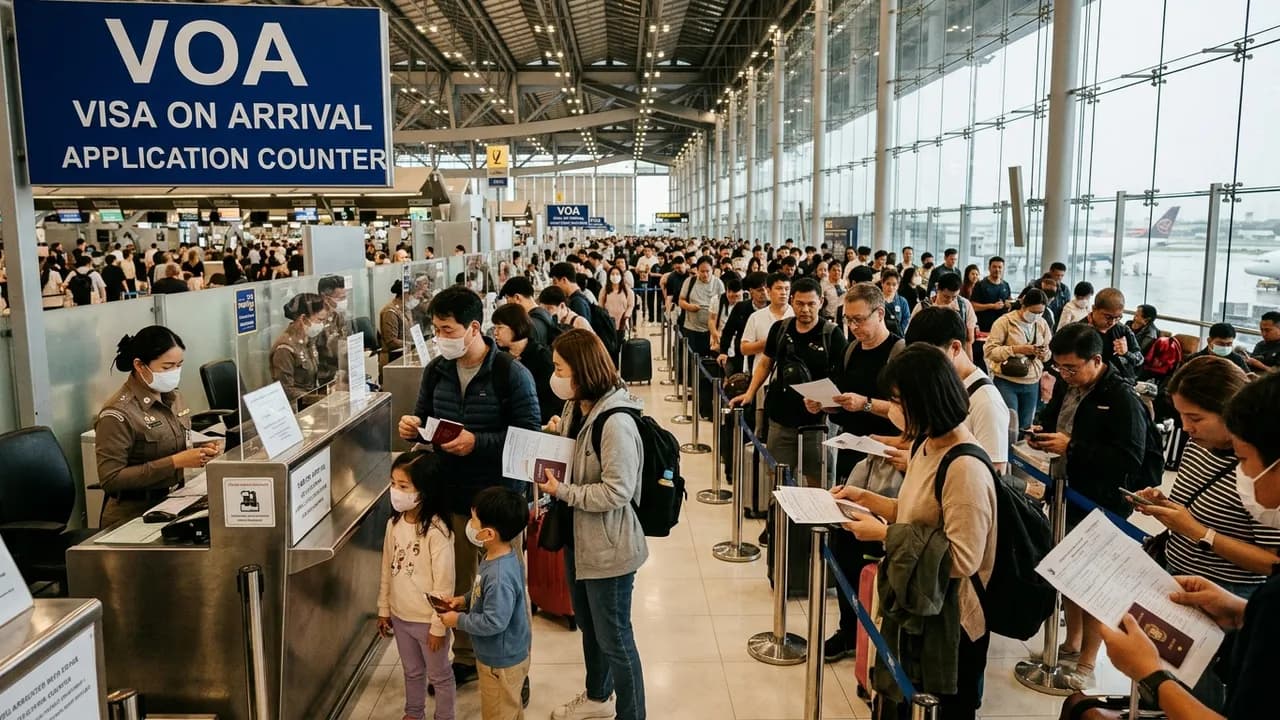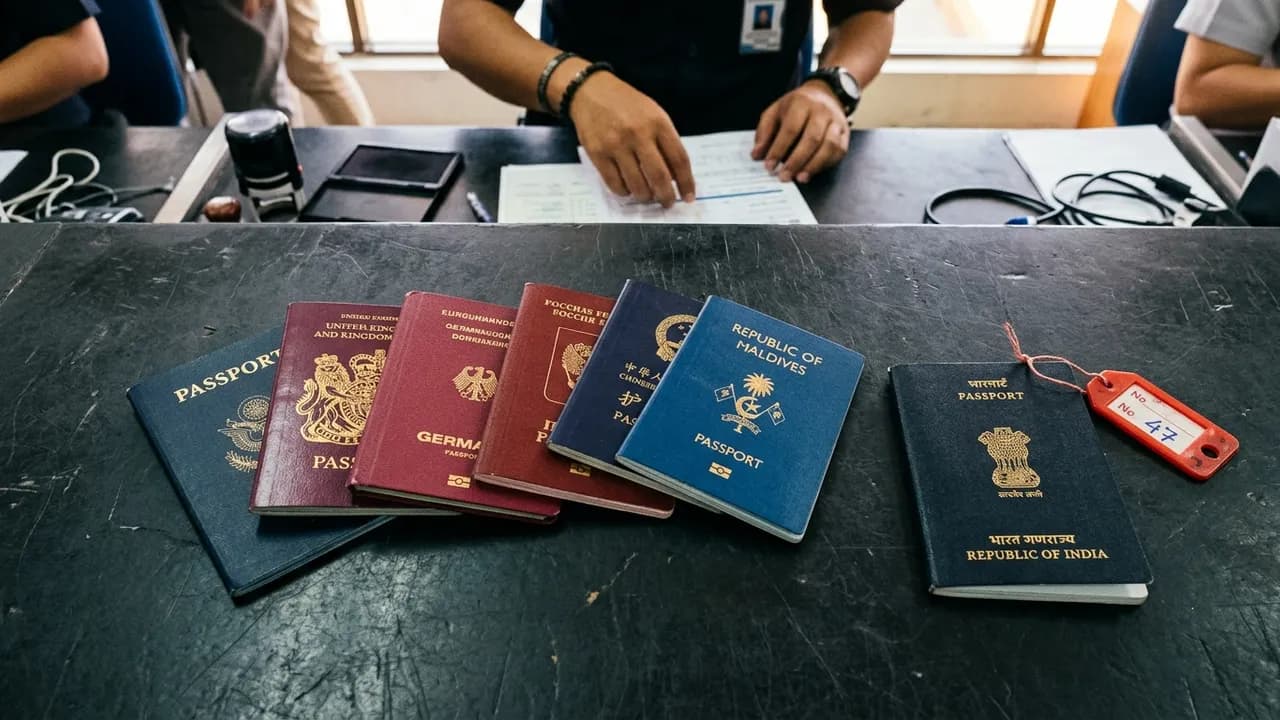
In May 2026, press reports named India as the biggest loser of Thailand's visa rollback, saying it would move to visa on arrival, with the Maldives dropping to 15 days. That is not what happened. Under the four Ministry of Interior announcements published in the Royal Gazette on 31 August 2026 and in force since 15 September 2026, India and the Maldives are both on the 30-day visa exemption list, per the Tourism Authority of Thailand (TAT Newsroom). Seychelles and Mauritius are the only countries cut to 15 days. Visa on arrival now covers Azerbaijan, Belarus and Serbia only. Countries that moved from the 60-day scheme to the 30-day list lose half of their visa-free stay.
TL;DR — who loses what
India and the Maldives kept visa-free entry at 30 days. Seychelles and Mauritius dropped to 15 days. Countries from the old 93-country list that are not on any new list either have their own bilateral agreement or now need a visa. Here are the countries that were in the news in May:
| Country | Under the 60-day scheme (to 14 Sep 2026) | From 15 Sep 2026 | For longer stays |
|---|---|---|---|
| India | 60 days visa-free | 30 days visa-free | One extension of up to 30 days (1,900 THB), or a visa via thaievisa.go.th |
| Maldives | 60 days visa-free | 30 days visa-free | One extension of up to 30 days (1,900 THB), or a visa |
| Seychelles | 60 days visa-free | 15 days visa-free | Tourist visa (TR) before travel |
| Mauritius | 60 days visa-free | 15 days visa-free | Tourist visa (TR) before travel |
All 60 countries and territories on the 30-day list (US, UK, EU, Australia, Japan, India, the Maldives and the rest) now get 30 days. See the full country list.
What the May reports got wrong
The May 19 Cabinet coverage predicted the final lists and got two countries wrong. Business Today (May 21, 2026), Travel Trade Journal (May 20, 2026) and others reported that India would move to the 15-day visa-on-arrival tier. Nation Thailand (May 19, 2026) and Visas News (May 19, 2026) listed the Maldives in the 15-day tier. The first version of this page repeated both claims.
The gazetted announcements put India and the Maldives in the 30-day tier. If you changed travel plans on the basis of the May reports, check them again against the rules in force.
India — still visa-free, now 30 days
Indian passport holders can still enter Thailand without a visa. Since 15 September 2026, the stay is 30 days instead of 60.
What this means for Indian travelers
- 30 days visa-free on arrival. No visa on arrival and no fee needed for a tourist trip.
- Tourism only. Business or work activity is not permitted on the exemption.
- One extension of up to 30 days at any Thai immigration office for 1,900 THB (form TM.7). That takes one entry to about 60 days. See the extension guide.
- Land-border cap applies. Exempt entries through land checkpoints are limited to twice per calendar year.
- For longer stays or non-tourist purposes, apply for a visa online at thaievisa.go.th, the official e-Visa portal.
Options for Indian travelers by trip length
Indians have three workable options: the 30-day exemption, the tourist e-Visa, and Non-Immigrant O for family ties. Each fits a different trip profile.
Option 1: 30-day visa exemption — for trips up to about 60 days
- Cost: Free on entry; 1,900 THB if you extend
- Stay: 30 days, plus one extension of up to 30 days at immigration
- Before you fly: File the Thailand Digital Arrival Card (TDAC) at tdac.immigration.go.th
- Use case: Holidays, family visits, sightseeing. Not for business meetings or work.
Option 2: e-Visa (Tourist) — for longer trips
- Cost: Single-entry tourist e-Visa 2,500 THB (~3,000 INR after April 2026 fee hike); multiple-entry 5,000 THB (~13,500 INR), per Wego Travel Blog
- Stay: 60 days, extendable by 30 days at immigration (90 days total)
- Where: thaievisa.go.th — the official Thailand e-Visa portal
- Processing: 3–7 working days single entry, 5–10 working days multiple entry, per Times of Visa
- Use case: Trips longer than the exemption plus one extension allows
Option 3: Non-Immigrant O — for family ties
- For Indians with a Thai spouse, Thai child, or Thai parent
- 90-day initial stamp, extendable to 1 year on annual basis at immigration
- Requires documentary proof of the family relationship (marriage certificate translated and legalised, or birth certificate)
- See our Non-Immigrant O visa guide
What Indian travelers should do now
- If you entered before 15 September 2026 — you keep the stay you were granted on entry.
- If your trip is 30 days or less — travel on the exemption. File your TDAC before arrival.
- If your trip is 31 to 60 days — enter on the exemption and extend once at immigration for 1,900 THB.
- If your trip is longer than 60 days, or not for tourism — apply for the right e-Visa before you travel.
Full breakdown in our Thailand visa for Indian citizens guide.
Maldives — also 30 days
Maldivian passport holders are on the 30-day list, not the 15-day list. The rules are the same as for India above: 30 days visa-free for tourism, one extension of up to 30 days for 1,900 THB, and the twice-per-year cap on exempt land-border entries.
Seychelles and Mauritius — dropped to 15 days
Two island nations drop from 60 days visa-free to 15 days visa-free. They keep visa-free status, but with the shortest stay of any visa-free tier.
What changes for these two
- Initial stamp: 15 days (was 60)
- Tourism only: business or work activity is not permitted
- Extension: confirm with a Thai immigration office whether a 15-day entry can be extended, and for how long, before you plan on it.
- Fee: Free (no change)
Why these two specifically?
No official rationale has been published for the choice of Seychelles and Mauritius. The Cabinet did not explain individual country placements when it announced the policy.
What citizens of these two should do
For trips of 15 days or less: nothing changes operationally. File the TDAC and arrive.
For longer trips: apply for a tourist visa (TR) through thaievisa.go.th before travel. TR visas give a 60-day initial stamp plus a 30-day extension (90 days total), the equivalent of the old visa-free maximum.
Countries left off the new lists
If your country is not on the 30-day list, the 15-day list or the visa-on-arrival list, check with the Thai mission before you travel. Separate bilateral agreements continue to give 90, 30 or 14 days depending on the agreement, per the TAT Newsroom. Some countries, such as China, South Korea and Brazil, are left off the new lists because they have their own agreement. Other nationalities may now need a visa.
Our May country list also placed Andorra, Monaco, San Marino and Vatican City in the 30-day tier. None of them is on the official 60-country list. Find the mission that covers you in our embassy and consulate directory.
The visa-on-arrival tier — who is on it now
Since 15 September 2026, visa on arrival covers three countries: Azerbaijan, Belarus and Serbia. India is not on it; Indians use the 30-day exemption instead.
| VOA country | Stay | Fee | Extension |
|---|---|---|---|
| Azerbaijan | Reported as 15 days | Reported as 2,000 THB cash | Reported as not extendable |
| Belarus | Reported as 15 days | Reported as 2,000 THB cash | Reported as not extendable |
| Serbia | Reported as 15 days | Reported as 2,000 THB cash | Reported as not extendable |
Applicants are reported to need a passport photo, an onward ticket and proof of accommodation. For longer stays, apply for an e-Visa in advance. Nationalities that used visa on arrival before 15 September 2026 and are not on any new list should not assume it is still available; check with the Thai mission. See our visa-on-arrival guide.
What is NOT changing
To avoid confusion: the following groups are not affected by the new announcements.
- Countries with their own bilateral agreement with Thailand — not changed by the Gazette; check the current stay length with the Thai mission
- Anyone who entered before 15 September 2026 — keeps the stay granted on entry
- DTV holders — Destination Thailand Visa unaffected
- LTR holders — Long-Term Resident visa unaffected
- Non-Immigrant O / O-A / O-X retirees — retirement visa pathways unaffected
- DTV and ED visa applicants — separate processes; see the news tracker for the parallel ED visa crackdown
Frequently asked questions
Did India lose Thailand visa-free entry?
No. India is on the official 30-day list published for 15 September 2026. Indian passport holders get 30 days visa-free for tourism, down from 60, and can extend once by up to 30 days at immigration for 1,900 THB.
What is the cheapest way for an Indian to visit Thailand now?
The 30-day visa exemption. It costs nothing on entry. If you need more time, one extension of up to 30 days costs 1,900 THB. For trips longer than that, the single-entry tourist e-Visa at 2,500 THB gives you 60 days plus the option to extend by 30.
Can Indians who entered before 15 September 2026 keep 60 days?
Yes. Anyone who entered before 15 September 2026 keeps the stay they were granted on entry. Entries from 15 September 2026 get 30 days.
Did the Maldives drop to 15 days?
No. May reports said it would, but the gazetted list puts the Maldives in the 30-day tier. The 15-day tier has two countries: Seychelles and Mauritius.
Are there other countries that might be cut later?
The Visa Policy Committee was to conduct an ongoing country-by-country review, per Nation Thailand (May 19, 2026). No specific countries have been flagged for future cuts. Watch the visa news tracker for updates.
Sources
- Tourism Authority of Thailand, TAT Newsroom, "Thailand introduces new 30-day and 15-day visa exemption rules from 15 September" (September 2026)
- Khaosod English, coverage of the Royal Gazette publication (September 1, 2026)
- Nation Thailand, coverage of the gazetted rules (September 2026)
- Newland Chase, update on the new visa exemption and visa on arrival measures (September 2026)
- Business Today, "Thailand scraps 60-day visa-free stay — impact on Indians" (May 21, 2026) — superseded on India
- Travel Trade Journal, "Thailand to roll back 60-day visa-free scheme — including India" (May 20, 2026) — superseded on India
- Nation Thailand, "Thailand scraps 60-day free visa, restores old exemption rules" (May 19, 2026)
- Visas News, "Thailand Cabinet approves end of 60-day visa-free entry for 93 countries" (May 19, 2026)
- Wego Travel Blog, "Thailand Updates Visa and Consular Fees in India" (April 2026)
- Times of Visa, "Thailand Visa for Indians 2026" (May 2026)
- Thailand official e-Visa portal, thaievisa.go.th
Looking for help with an e-Visa application? Check the agency reviews before paying any agent. Most travelers can complete the e-Visa application themselves.