Complete Guide
Digital Nomads
Digital nomad visa options in Thailand. DTV visa, remote work rules, and practical guidance.
Thailand has become one of the world's top destinations for digital nomads and remote workers. With affordable living costs, excellent internet infrastructure, and a welcoming culture, cities like Bangkok, Chiang Mai, and Koh Lanta attract thousands of location-independent professionals. Our guides cover visa options, legal considerations, and practical tips for working remotely from Thailand.
What You'll Learn
- Thailand's policies for remote workers and digital nomads
- Best visa options for digital nomads staying in Thailand
- Co-working spaces, internet connectivity, and nomad-friendly cities
- Tax implications and legal considerations for remote work in Thailand

Updated Mar 7, 2026
Best Cities in Thailand for Digital Nomads
The best cities in Thailand for digital nomads offer something unusual: genuine variety across at least six distinct bases, each with a fundamentally...

Updated Mar 9, 2026
Cost of Living in Thailand for Digital Nomads: 2026 Budget Guide
The cost of living in Thailand keeps it among the most affordable countries in the world for digital nomads, though costs have risen notably since...

Updated Mar 9, 2026
Best Coworking Spaces in Thailand for Digital Nomads (2026)
The best coworking spaces in Thailand have emerged from a scene that has matured significantly over the past few years, supported by a growing...

Updated Mar 7, 2026
Digital Nomad in Thailand: Complete Guide for Remote Workers
This digital nomad Thailand guide covers a country that has been the unofficial capital of digital nomadism for over a decade. Affordable living,...
Updated Mar 7, 2026
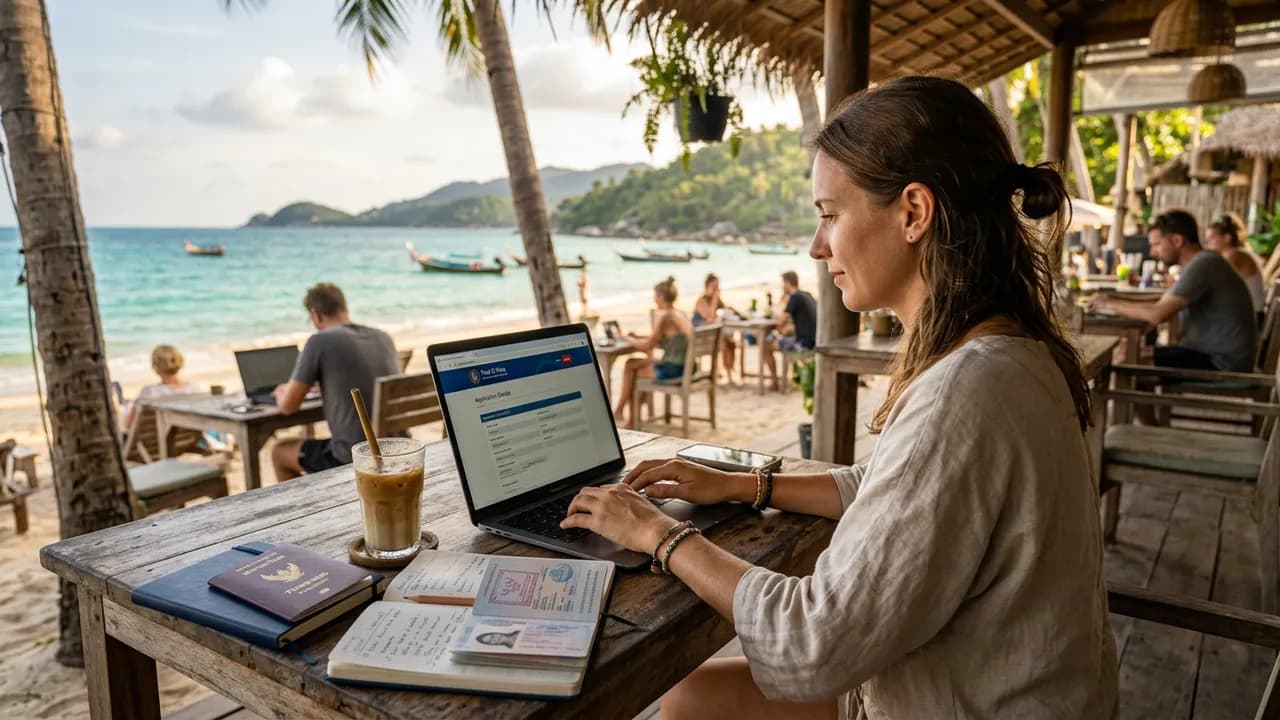
How to Apply for Thailand's DTV Visa: Step-by-Step
The Thailand DTV visa application opens access to the Destination Thailand Visa (DTV), Thailand's answer to the global digital nomad visa trend....
Quick Answers
Frequently Asked Questions
Is remote work legal in Thailand without a work permit?
This is a gray area in Thai law. Technically, performing any work in Thailand requires a work permit. However, enforcement for remote workers employed by foreign companies has been minimal. The Thai government has introduced the DTV (Destination Thailand Visa) as an option for remote workers seeking a more defined legal status.
What is the best visa for digital nomads in Thailand?
Popular options include the Destination Thailand Visa (DTV), the Tourist Visa with extensions, the Thailand Elite Visa for longer stays, and the LTR (Long-Term Resident) visa for those who qualify based on income. Each has different requirements, costs, and permitted stay lengths.