First time Thai visa services can feel overwhelming, since planning your first trip to Thailand involves navigating unfamiliar visa rules and entry requirements. The good news is that Thailand has one of the most tourist-friendly entry policies in the world. Most visitors do not even need to apply for a visa in advance.
This guide walks you through everything a first-time visitor needs to know about entering Thailand legally, choosing the right visa option, and avoiding common mistakes at the border.
Do You Even Need a Visa?
For the majority of travelers, the answer is no — at least not a traditional visa that requires a pre-trip embassy visit. Thailand offers visa exemptions to nationals of over 90 countries, allowing entry for tourism purposes without any advance application.
Quick Decision Guide
| Your Situation | What You Need |
|---|---|
| Short holiday (up to 60 days) from an exempt country | Visa exemption (no advance application) |
| Holiday longer than 60 days | Tourist Visa (TR) from a Thai embassy |
| Working in Thailand | Non-Immigrant B Visa + Work Permit |
| Studying in Thailand | Non-Immigrant ED Visa |
| Retiring in Thailand (50+) | Non-Immigrant O-A or O Visa |
| Digital nomad / remote worker | Destination Thailand Visa (DTV) or visa exemption |
Visa Exemption: The Simplest Option
If your country is on Thailand's visa exemption list, you can simply board your flight and receive a stamp on arrival. No embassy visit, no application form, no visa fee.
How It Works
- Arrive at any Thai international airport or land border checkpoint
- Present your passport to the immigration officer
- Receive a 60-day entry stamp in your passport
- Enjoy your trip
Key Requirements for Visa Exemption Entry
- Passport validity: At least 6 months remaining from date of entry (see passport requirements)
- Blank pages: At least 1 blank page for the entry stamp
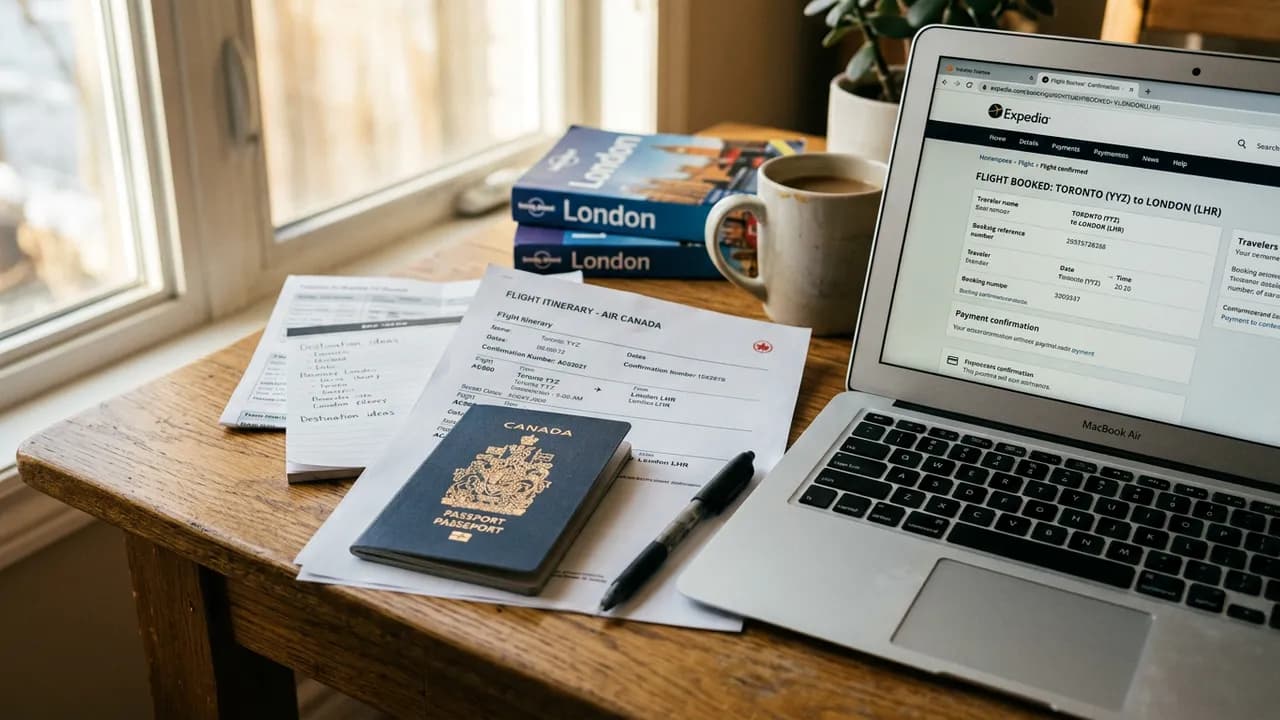
- Proof of onward travel: A return or onward flight ticket (sometimes checked, sometimes not — but always have one ready)
- Proof of funds: Immigration may ask you to show 10,000 THB per person or 20,000 THB per family in cash (rarely enforced but legally required)
- Accommodation details: Know where you are staying (hotel name and address)
Countries with 60-Day Visa Exemption
As of 2026, nationals from the following regions generally receive 60-day visa-exempt entry:
- Europe: All EU member states, UK, Switzerland, Norway, Iceland
- North America: United States, Canada
- Oceania: Australia, New Zealand
- Asia: Japan, South Korea, Singapore, Hong Kong, Malaysia, and others
- South America: Brazil, Argentina, Chile, Peru
- Middle East: Israel, UAE, Bahrain, Kuwait, Qatar, Oman, Saudi Arabia
The full list includes 93 countries and territories. Check the Thai Ministry of Foreign Affairs website for the most current list, as it is updated periodically.
Can You Extend a Visa Exemption?
Yes. You can extend your 60-day visa exemption by 30 additional days at any Thai immigration office. This gives you a total of 90 days in Thailand.
Extension details:
- Cost: 1,900 THB
- Where: Any immigration office in Thailand
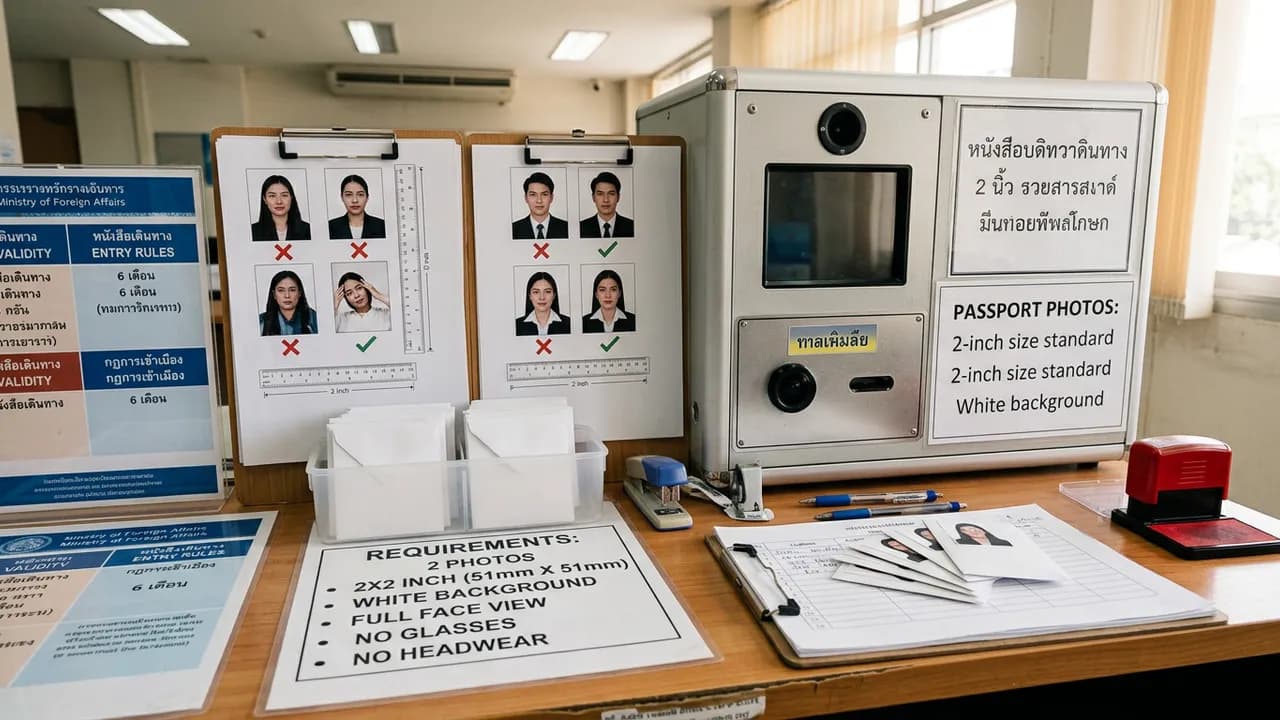
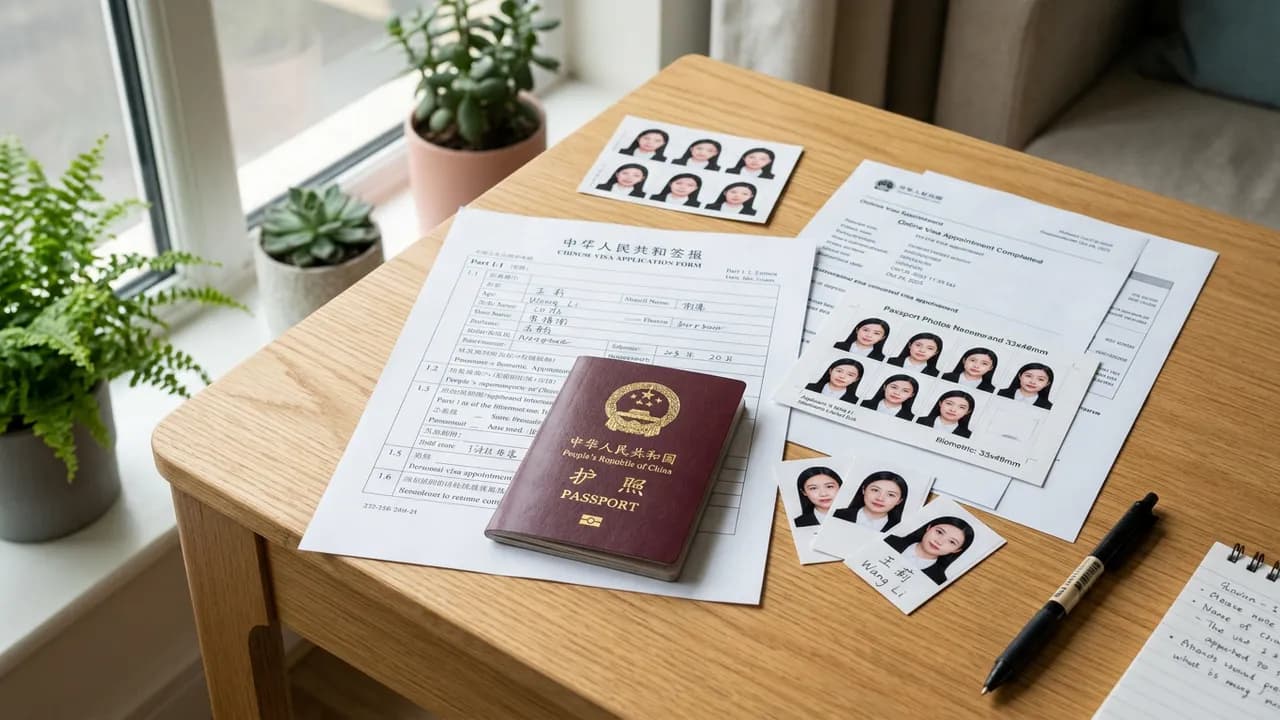
- Documents: Passport, TM.7 form (available at the office), one passport photo, copy of passport pages
- Processing: Usually same-day
Tourist Visa (TR): For Longer Stays
If you plan to stay longer than 60 days (or 90 with an extension), or if your country is not on the visa exemption list, you will need a Tourist Visa (TR).
Tourist Visa Overview
| Feature | Details |
|---|---|
| Duration of stay | 60 days per entry |
| Extension | 30 days at immigration (1,900 THB) |
| Total possible stay | 90 days |
| Validity | 3 months (single entry) or 6 months (multiple entry) |
| Fee | 1,000 THB (single) / 5,000 THB (multiple) |
| Where to apply | Thai embassy or consulate in your home country |
For the full fee table across every visa type, see current Thailand visa costs.
Single Entry vs. Multiple Entry
- Single Entry Tourist Visa (SETV): One entry, 60 days of stay, valid for 3 months from issue date
- Multiple Entry Tourist Visa (METV): Unlimited entries within 6 months, 60 days per entry. You must exit and re-enter Thailand to start a new 60-day period
How to Apply for a Tourist Visa
- Find your nearest Thai embassy or consulate
- Complete the visa application form (downloadable from the embassy website)
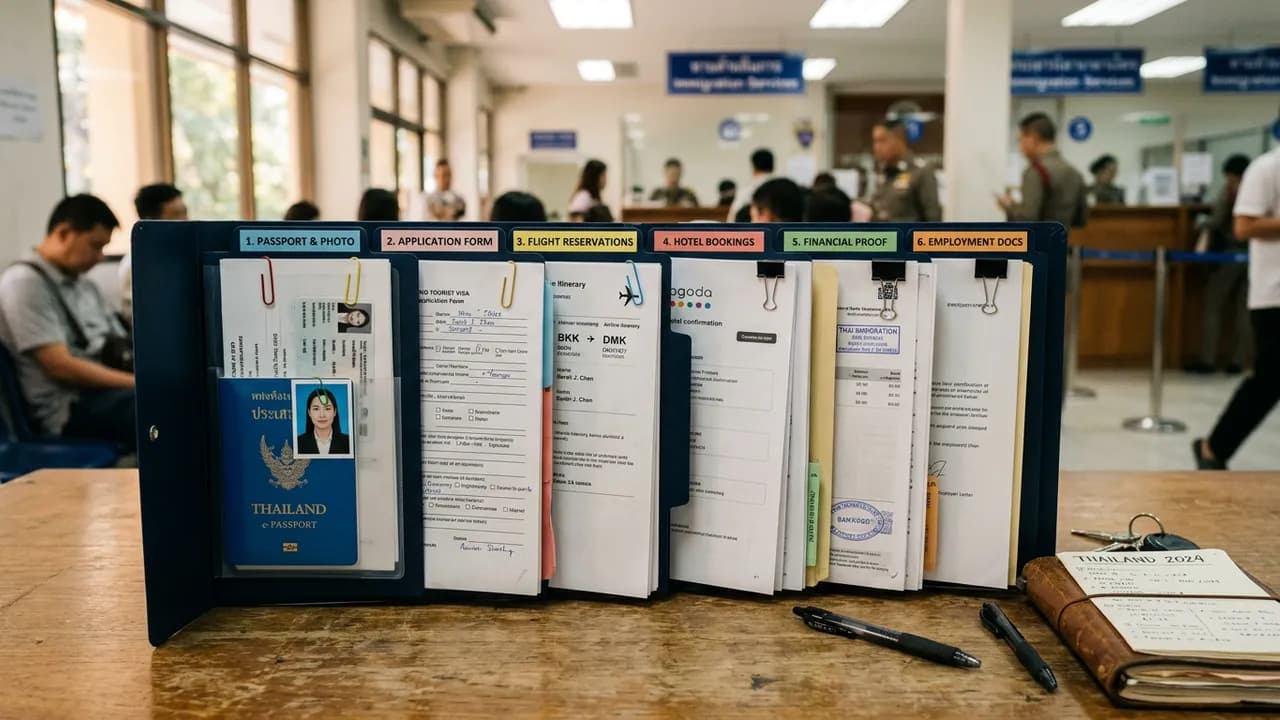
- Gather required documents (see the tourist visa checklist)
- Submit in person or by mail (procedures vary by embassy)
- Wait for processing (typically 3-5 business days)
- Collect your passport with the visa stamp
Many embassies now support online submission — see our Thai e-Visa guide.
Destination Thailand Visa (DTV)
Launched in mid-2024, the DTV is Thailand's answer to the digital nomad visa trend. It is designed for remote workers, freelancers, and people attending events or courses in Thailand.
DTV Overview
| Feature | Details |
|---|---|
| Duration of stay | 180 days per entry |
| Total validity | 5 years (multiple entry) |
| Extension | 180-day extensions possible |
| Fee | 10,000 THB |
| Eligibility | Remote workers, freelancers, attendees of events/courses, soft power activities |
The DTV is an excellent option for first-time visitors who plan to stay for an extended period and work remotely. However, it does not include a work permit — the legal status of remote work under the DTV remains a subject of ongoing policy clarification.
Entry Requirements Every First-Timer Must Know
At the Airport: Arrival and Immigration
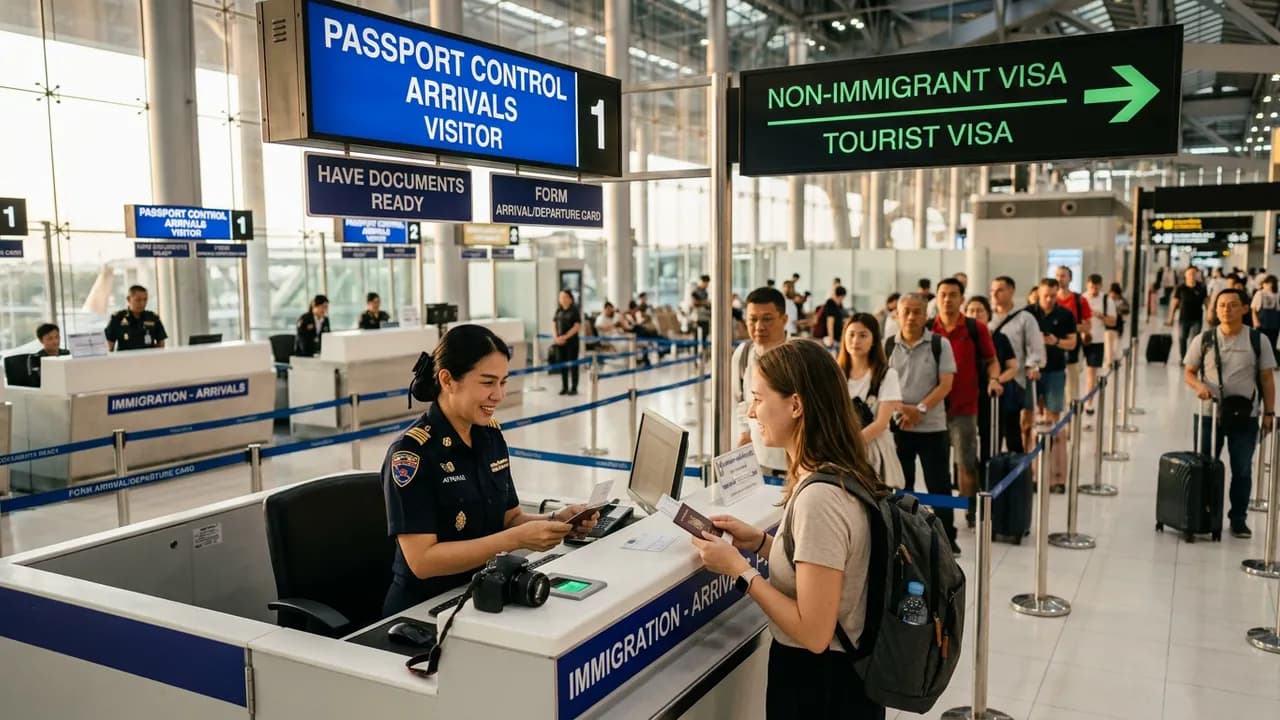
When you arrive in Thailand, you will go through immigration. Here is what to expect:
- Fill out the arrival card — Some airports have gone digital, but many still use paper TM.6 arrival/departure cards. Fill it out on the plane or in the arrival hall.
- Queue at immigration — Join the "Foreign Passport" line. Have your passport, arrival card, and return ticket ready.
- Biometrics — Your photograph and fingerprints will be taken at the immigration counter.
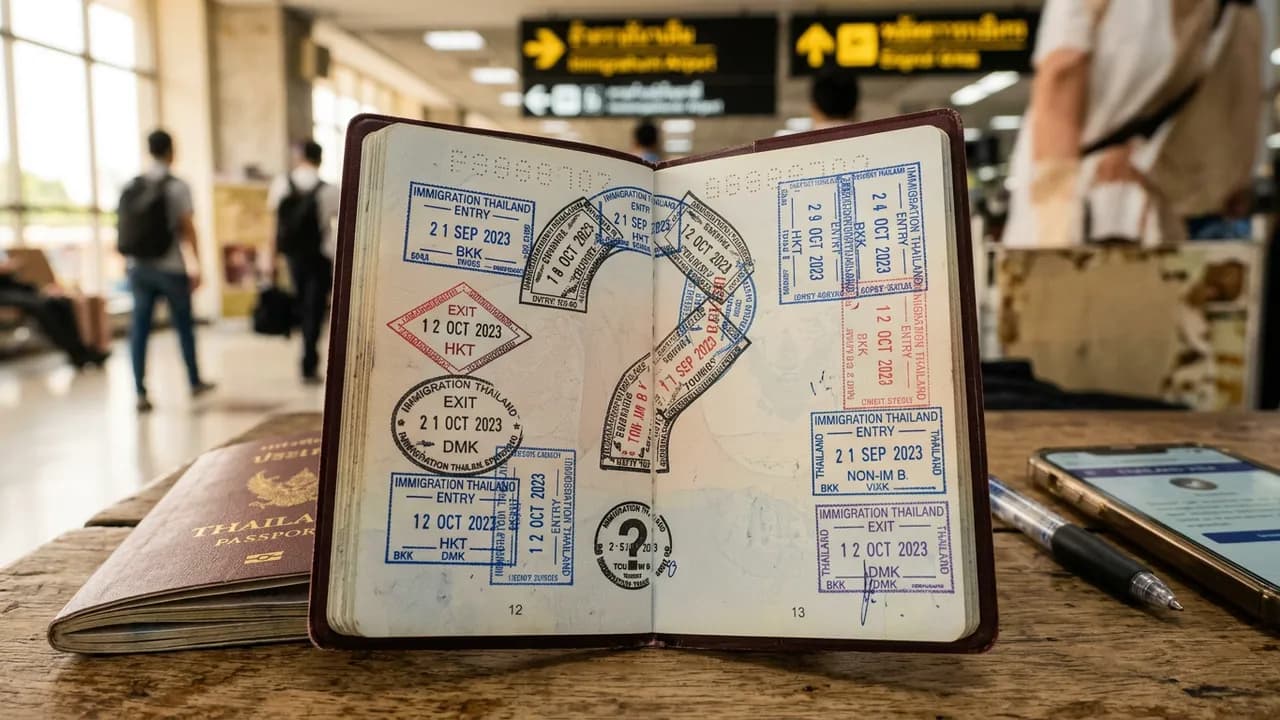
- Stamp and go — The officer stamps your passport with the entry date and permitted stay date. Verify the dates before walking away.
Documents to Have Ready
Even if you are entering visa-free, keep these accessible:
- Passport (6+ months validity)
- Return or onward flight ticket (printed or on your phone)
- Hotel booking confirmation
- Travel insurance documentation (recommended but not always required)
- Cash or proof of funds (10,000 THB per person or equivalent)
Common Reasons for Denial of Entry
Entry denial is rare but can happen:
- Passport has fewer than 6 months of validity
- No proof of onward travel
- Previous overstay on record (especially with a blacklist entry)
- Passport is badly damaged
- Unable to show proof of funds when asked
- Arriving at a land border with excessive entries in a short period ("visa run" pattern)
Practical Tips for First-Time Visitors
Before You Travel
- Check your passport expiry date — You need at least 6 months. Renew early if it is close.
- Book a return or onward flight — Even if your plans are flexible, have something bookable to show.
- Get travel insurance — Thailand does not always require it, but medical costs can be high. A good policy costs very little compared to an emergency hospital bill.
- Download offline maps — Useful for navigating from the airport.
- Notify your bank — Tell your bank you are traveling to avoid card blocks.
At the Airport: Practical Tips
- Check your stamp — Verify the date on your entry stamp matches the correct stay period (60 days for visa exemption, 60 days for tourist visa).
- Keep your departure card — It is stapled into your passport. Do not lose it. Some airports no longer use them, but if you receive one, guard it.
- Use official taxis — At Suvarnabhumi, use the official taxi meter counter on level 1 or the airport rail link to central Bangkok.
During Your Stay
- Track your permitted stay date — Mark it in your calendar. Overstaying even by one day triggers a fine and potential consequences.
- Carry your passport — Thai law requires foreigners to carry identification. A photocopy plus a photo on your phone is usually accepted, but having the original available is ideal.
- Respect local laws — Thailand has strict laws regarding the monarchy (lese-majeste), drugs (severe penalties including death for trafficking), and public behavior.
Visa Exemption vs. Tourist Visa: Which Should You Choose?
| Factor | Visa Exemption | Tourist Visa |
|---|---|---|
| Application required | No | Yes (embassy visit) |
| Cost | Free | 1,000-5,000 THB |
| Stay duration | 60 days (+30 extension) | 60 days (+30 extension) |
| Best for | Short holidays, first visits | Planning ahead, countries not on exempt list |
| Flexibility | Arrive and go | Must plan around embassy processing times |
For most first-time visitors from exempt countries, the visa exemption is the best choice. It is free, requires no advance application, and gives you up to 90 days (with extension) — more than enough for a first trip. For a detailed side-by-side, see our tourist visa vs visa exemption comparison.
What If You Want to Stay Longer?
If you arrive in Thailand and decide you want to stay beyond your initial 60+30 days, you have options:
- Leave and re-enter — Fly to a neighboring country and return for a fresh 60-day exemption stamp. This works but repeated entries may raise questions.
- Apply for a different visa — You can apply for a Non-Immigrant visa at a Thai embassy in a neighboring country (e.g., Vientiane, Kuala Lumpur, Phnom Penh).
- Apply for a DTV — If you qualify, the Destination Thailand Visa can be applied for while abroad.
Final Thoughts
Thailand makes it remarkably easy for first-time visitors to enter the country. If you hold a passport from a visa-exempt nation, you need nothing more than a valid passport and a flight ticket. Focus on enjoying your trip rather than worrying about paperwork — the Thai immigration system is well-oiled and processes millions of tourists each year without incident.
For stays beyond 60 days, start looking into the Tourist Visa or DTV before you travel. And always, always check your passport stamp dates before leaving the immigration counter.