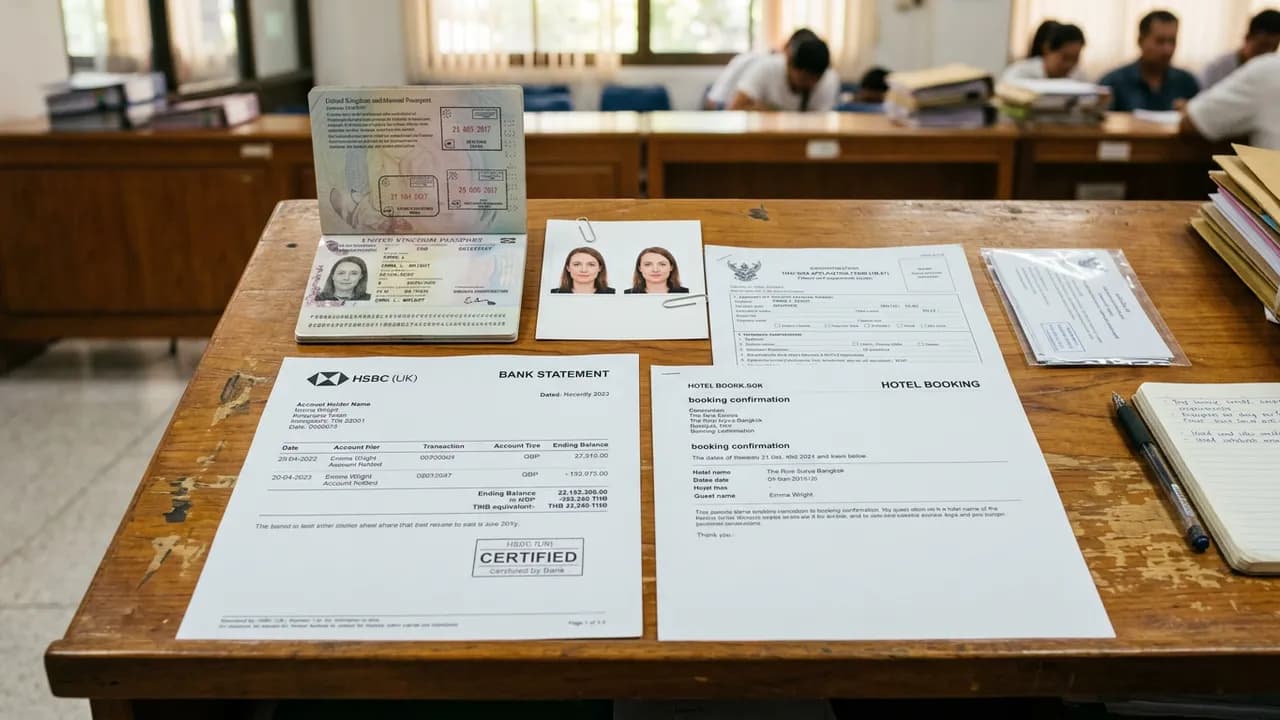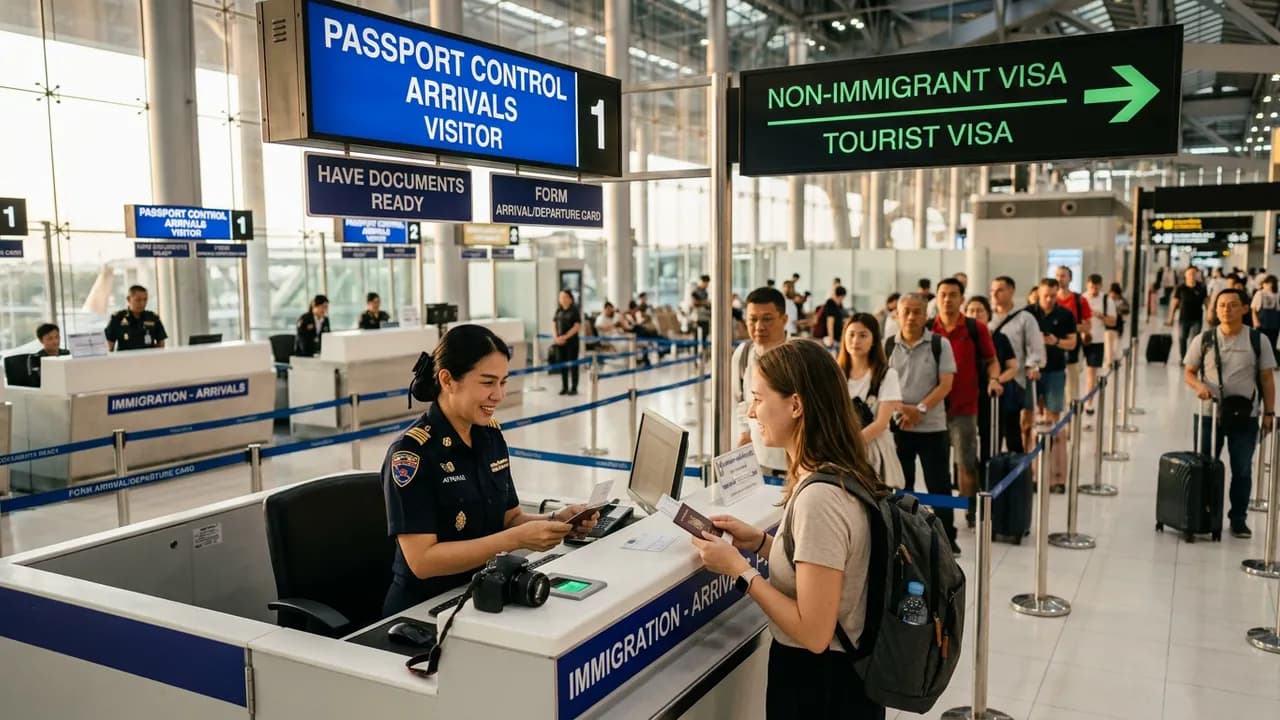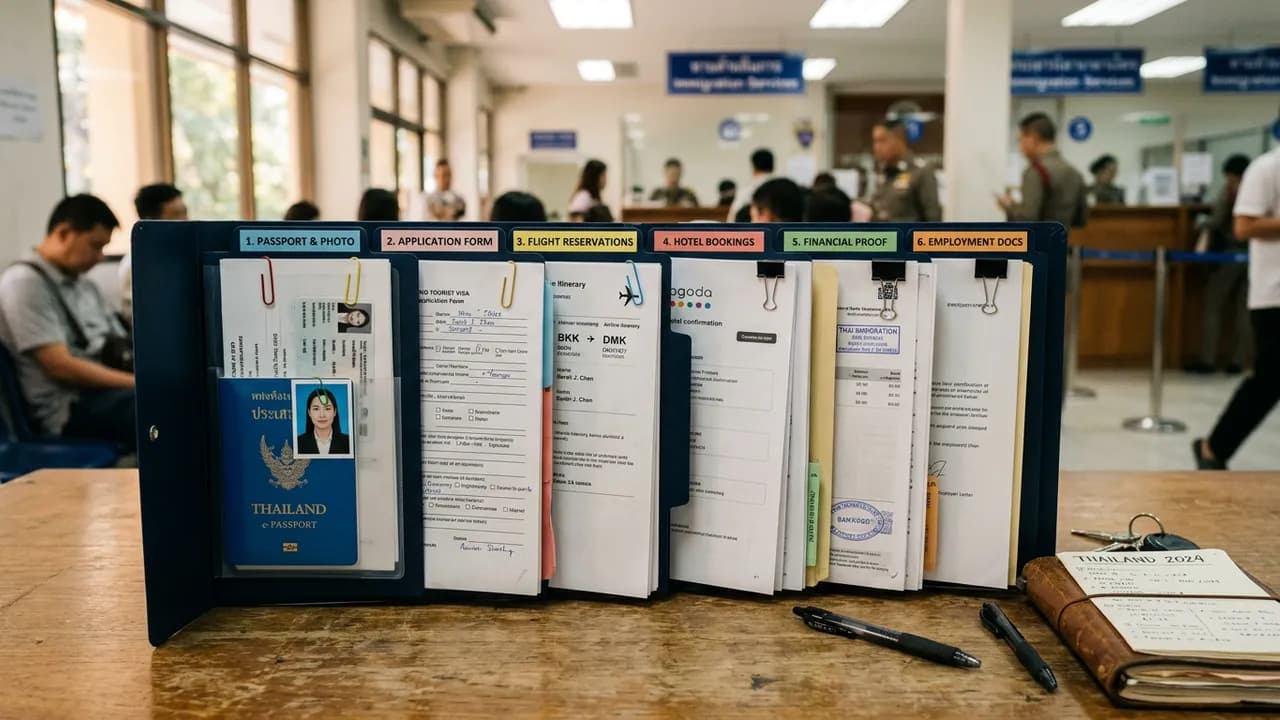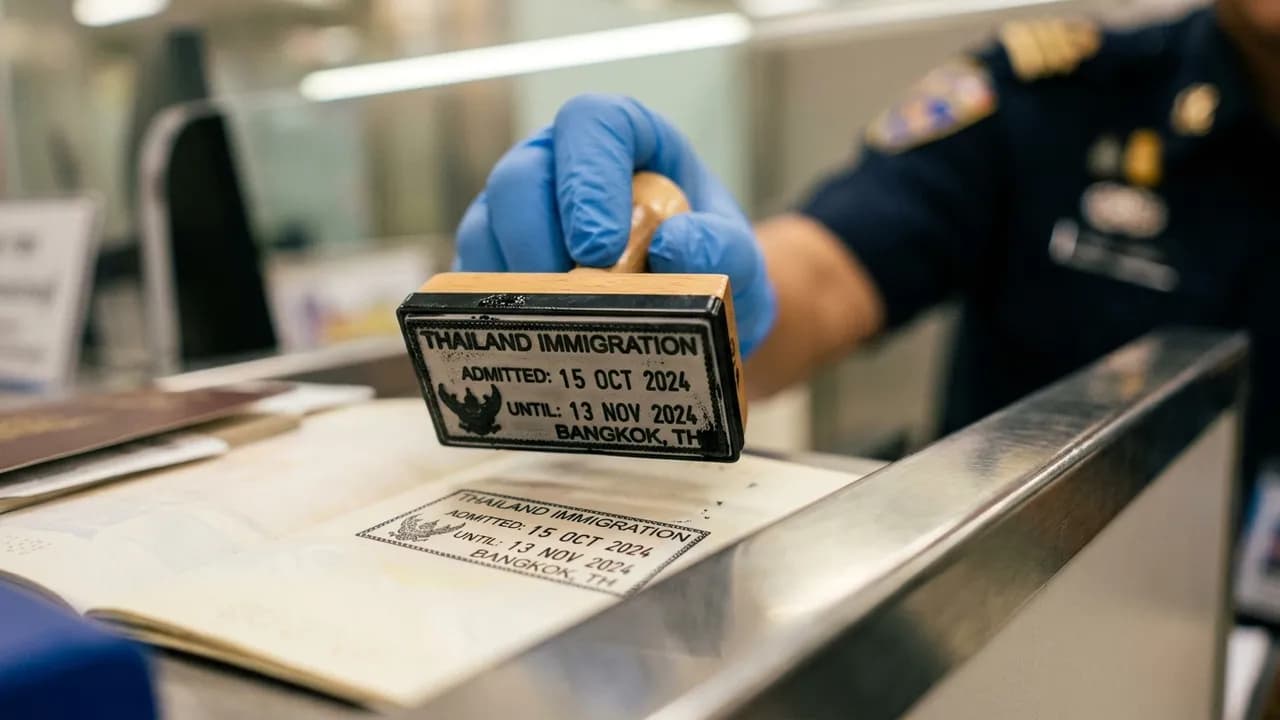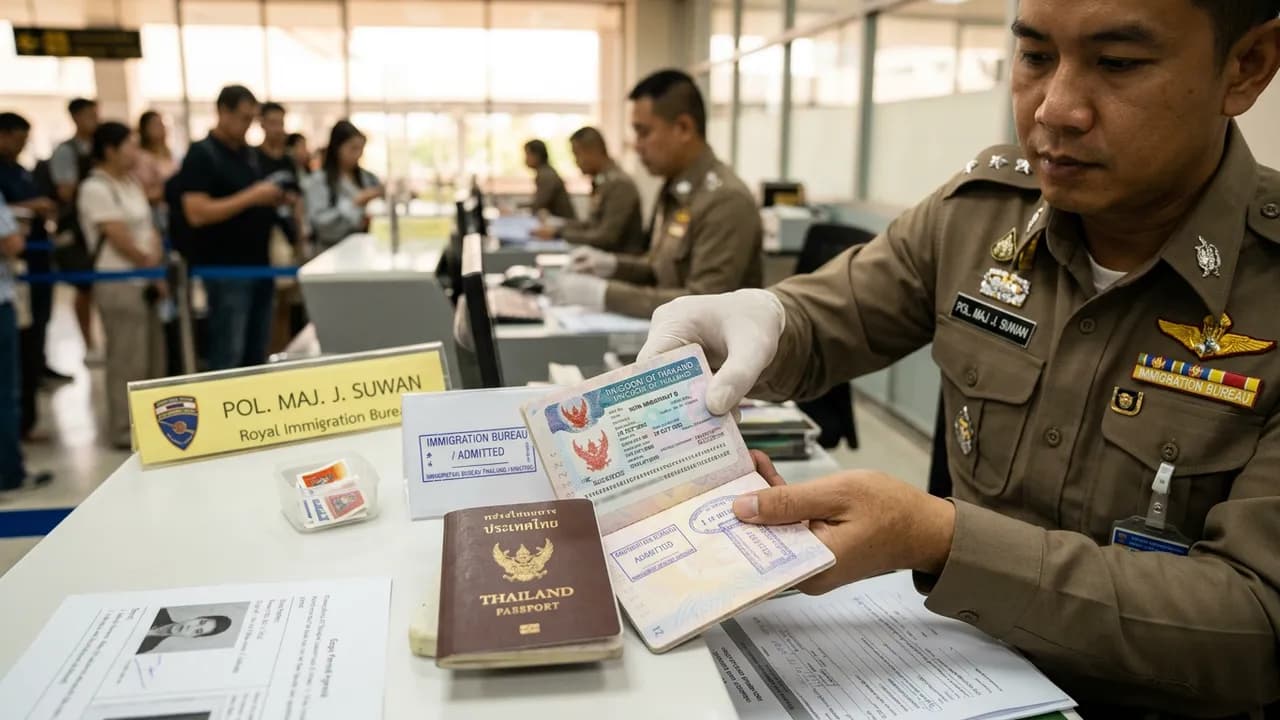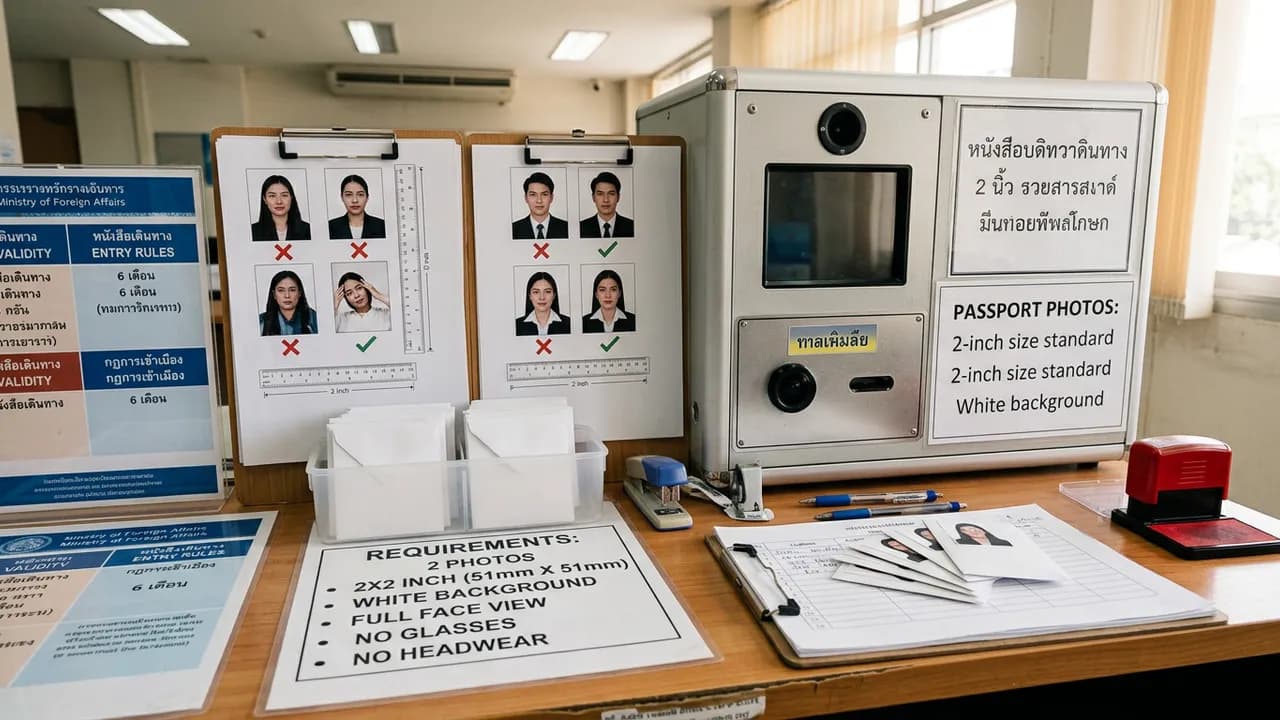
Thailand passport requirements make your passport the single most important document for entering the country, since airlines and immigration will turn you away without a compliant one. Without a valid passport that meets Thailand's entry requirements, you will be denied boarding by your airline or turned away at the immigration counter — regardless of whether you have a visa.
This guide covers every passport-related requirement for entering Thailand in 2026.
The 6-Month Validity Rule
Thailand requires that your passport be valid for at least 6 months from your date of entry. This is the most important passport requirement and the one that catches travelers off guard most often.
| Situation | Can You Enter? |
|---|---|
| Passport valid for 7+ months | Yes |
| Passport valid for exactly 6 months | Yes (borderline — some caution advised) |
| Passport valid for 5 months, 29 days | No — you will likely be denied entry |
| Passport expired | No — you cannot travel internationally |
Why 6 Months?
Thailand applies the 6-month rule to ensure that your passport will not expire during your stay. Even if you plan a short trip, immigration authorities assess the validity from a worst-case scenario perspective.
How It Is Enforced
The 6-month rule is enforced at two points:
- At check-in / boarding — Airlines are required to verify passport validity before allowing you to board a flight to Thailand. Most airlines will deny boarding if your passport has less than 6 months of validity.
- At Thai immigration — The immigration officer at the port of entry will check your passport validity and can deny entry if the requirement is not met.
What to Do If Your Passport Is Close to Expiring
- Renew before you travel — Most countries offer standard renewal within 2-6 weeks and expedited renewal within 1-2 weeks
- Check well in advance — Verify your passport expiry date at least 2 months before your planned trip
- Some countries allow early renewal — You can typically renew a passport up to 9-12 months before it expires without losing the remaining validity
Blank Pages Requirement
Thailand requires at least 1 blank page in your passport for the entry stamp. In practice, having at least 2 blank pages is recommended, as you will need space for both the entry stamp and any visa stickers. For a complete overview of what to prepare before your trip, see our first-time Thailand visa guide.
| Visa Type | Pages Needed |
|---|---|
| Visa exemption (stamp only) | 1 page |
| Tourist visa (sticker + stamps) | 2 pages |
| Non-Immigrant visa (sticker + stamps + extensions) | 2-3 pages |
| Multiple trips | Plan for 1 page per entry |
What Counts as a Blank Page
A "blank page" means a visa page with no stamps or stickers on it. Pages with just a small stamp in one corner may not be considered blank — immigration officers need sufficient space to place the entry stamp clearly.
Running Out of Pages
If your passport is running low on blank pages:
- Some countries offer extra pages — Check whether your passport authority allows additional pages to be added
- Many countries now issue new passports instead — Most modern passport systems require a full renewal rather than adding pages
- Plan ahead — If you travel frequently, request the larger passport book (e.g., the US offers a 52-page passport book)
Damaged Passports
Thailand (and airlines) may refuse to accept a damaged passport. A passport is considered damaged if:
- The cover is significantly torn or detached
- Pages are torn, missing, or water-damaged
- The biographical page is not clearly legible
- The machine-readable zone (MRZ) at the bottom of the biographical page is damaged or obscured
- The passport photo is peeling, faded, or defaced
- There are unauthorized markings, stamps, or alterations
What to Do with a Damaged Passport
Replace it before you travel. There is no reliable way to predict whether a damaged passport will be accepted — it is entirely at the discretion of the airline check-in staff and immigration officers.
Passport Types Accepted
Thailand accepts the following travel documents for entry:
| Document Type | Accepted? |
|---|---|
| Regular/ordinary passport | Yes |
| Diplomatic passport | Yes |
| Official/service passport | Yes |
| Emergency/temporary passport | Varies — see below |
| Laissez-passer (UN travel document) | Yes (for official travel) |
| Refugee travel document | Varies by issuing country |
Emergency and Temporary Passports
Emergency travel documents (sometimes called temporary passports) issued by embassies are generally accepted for entry into Thailand, but:
- They may receive additional scrutiny at immigration
- The 6-month validity rule still applies (many emergency passports have short validity periods)
- Some airlines may question the document at check-in
- It is recommended to carry supporting documentation (police report for lost passport, embassy letter)
Children's Passports
Children of all ages require their own passport to enter Thailand. They cannot be included on a parent's passport (this practice was discontinued by most countries years ago).
Children's passports often have shorter validity periods (typically 5 years instead of 10). Verify the validity before travel.
Name Discrepancies
Your passport name must match your flight booking exactly. Discrepancies between your passport name and airline ticket can result in denied boarding.
Common issues:
- Middle name included in ticket but not in passport (or vice versa)
- Name change after marriage — if your ticket is in your married name but passport is in your maiden name
- Transliteration differences — for names originally in non-Latin scripts
Solution: Always book flights using the name exactly as it appears in your passport. If there is a mismatch, contact your airline to correct the booking before travel.
Visa Stickers and Stamps
When you obtain a Thai visa at an embassy, it is placed as a sticker in your passport. Keep the following in mind:
- Do not remove or tamper with visa stickers — This can void the visa
- Visa stickers use one passport page — Factor this into your blank page planning
- Entry and exit stamps are placed near the visa sticker — keep adjacent pages free
- If you get a new passport, any visa in your old passport is void unless you transfer it (which requires visiting the embassy or Thai immigration)
What to Do If You Lose Your Passport in Thailand
If your passport is lost or stolen while you are in Thailand:
Step 1: File a Police Report
Visit the nearest police station and file a report (called a "Bai Jaeng Kwam"). You will receive a copy of the police report, which is essential for all subsequent steps.
Step 2: Contact Your Embassy
Visit or call your country's embassy or consulate in Thailand to:
- Report the lost passport
- Apply for an emergency travel document or replacement passport
- Get advice on next steps
Processing time for emergency documents: Typically 1-5 business days, depending on the embassy.
Step 3: Visit Thai Immigration
With your police report and new travel document, visit the nearest immigration office to:
- Report the lost passport
- Transfer your visa/extension to the new document (if applicable)
- Obtain exit permission if your visa/extension was in the old passport
Step 4: Obtain an Exit Stamp
Before leaving Thailand, you must have proper documentation. Immigration will process your departure with the replacement document and supporting paperwork.
Prevention Tips
- Store a digital copy of your passport biographical page in secure cloud storage
- Keep a physical photocopy separate from your passport
- Use a hotel safe for your passport when not carrying it
- Consider a passport holder or money belt when in crowded areas
Dual Nationality Considerations
If you hold passports from more than one country:
- Enter and exit Thailand on the same passport — Thai immigration matches entry and exit records by passport number
- Choose the passport with the best visa-free access to Thailand (most Western passports receive a 60-day exemption)
- Do not show both passports at Thai immigration — present only the one you are using for entry
Special Situations
Passport Renewal While in Thailand
If your passport expires while you are living in Thailand:
- Contact your embassy to arrange renewal
- After receiving the new passport, visit Thai immigration to transfer your visa/extension of stay
- Bring both old and new passports to immigration
- A fee may apply for the transfer (typically 1,000 THB)
Expired Passport at Departure
If your passport expires while in Thailand and you have not yet renewed it:
- You cannot depart on an expired passport
- Contact your embassy immediately for an emergency travel document
- Thai immigration will need to process your departure with the emergency document
Passport with Ban/Blacklist Entry
If you have been blacklisted from Thailand (due to overstay or other violations), the ban is linked to your identity, not just your passport number. Getting a new passport does not circumvent a Thai immigration blacklist. Thailand uses biometric data (fingerprints and photographs) to identify banned individuals.
Quick Checklist Before You Travel
Use this checklist before any trip to Thailand:
- Passport valid for at least 6 months from entry date
- At least 2 blank visa pages available
- Passport in good physical condition (no damage)
- Name on passport matches flight booking exactly
- Digital copy of passport stored securely (cloud or email to yourself)
- Physical photocopy packed separately from passport
- Passport number noted in a separate location
Final Thoughts
Passport issues are entirely preventable. Check your passport validity, page availability, and physical condition well before your trip. A passport renewal takes weeks, not days, and being denied boarding at the airport because of an overlooked expiry date is an expensive and stressful experience. When in doubt, renew early — the peace of mind is worth it.