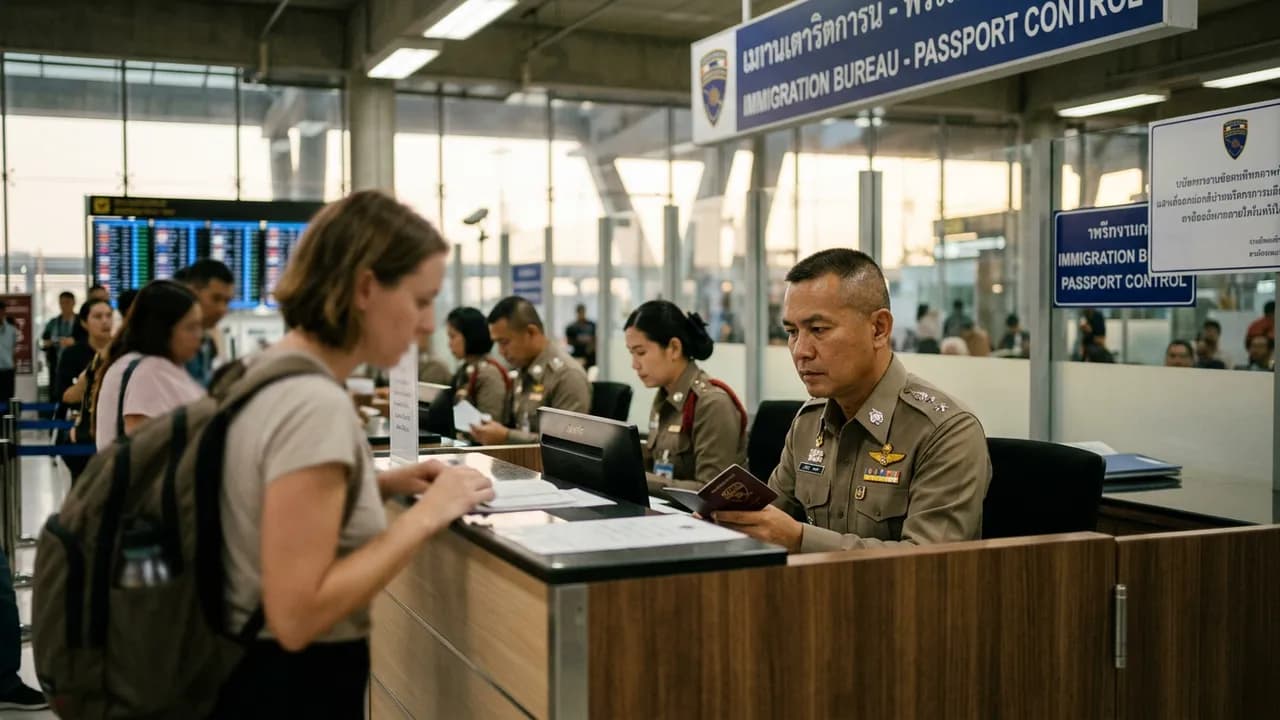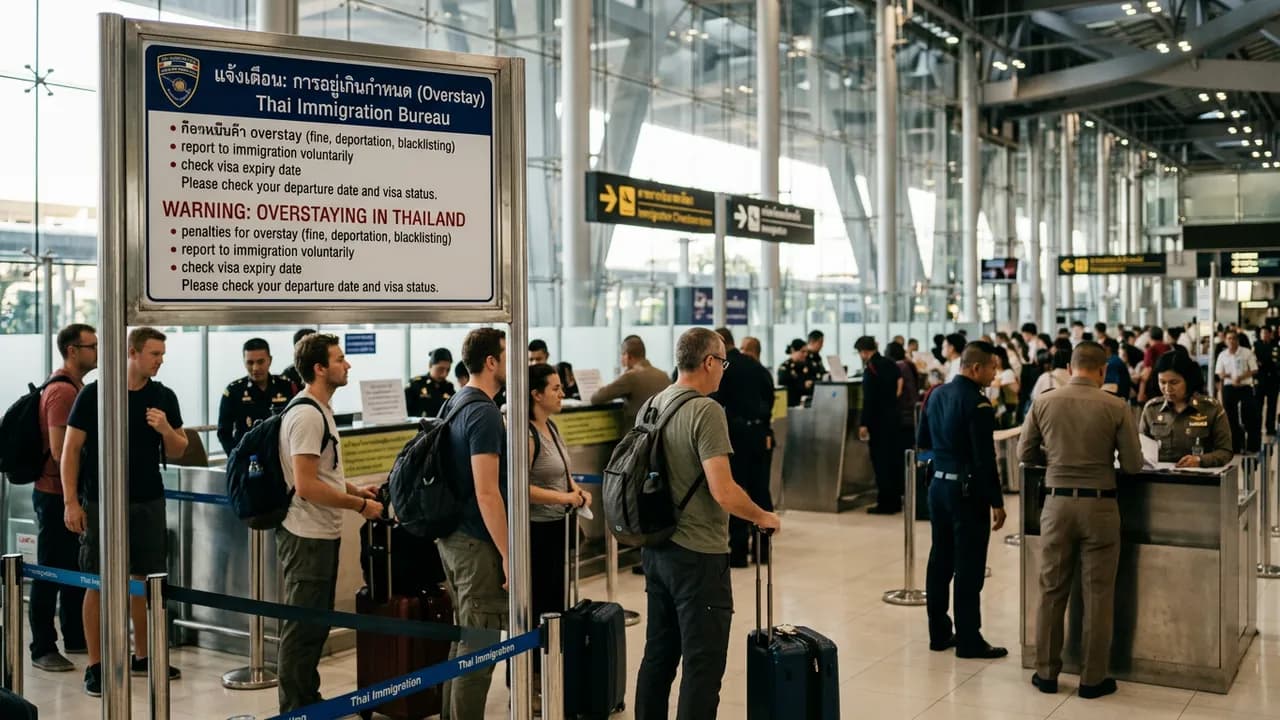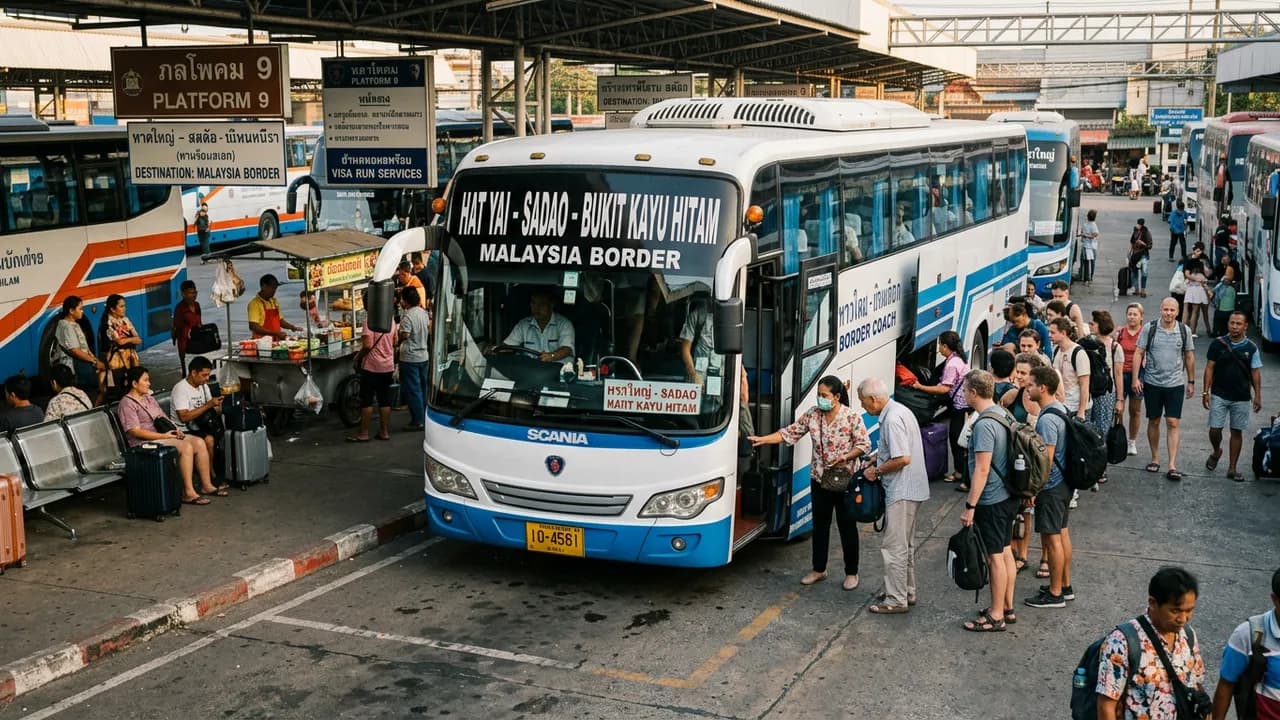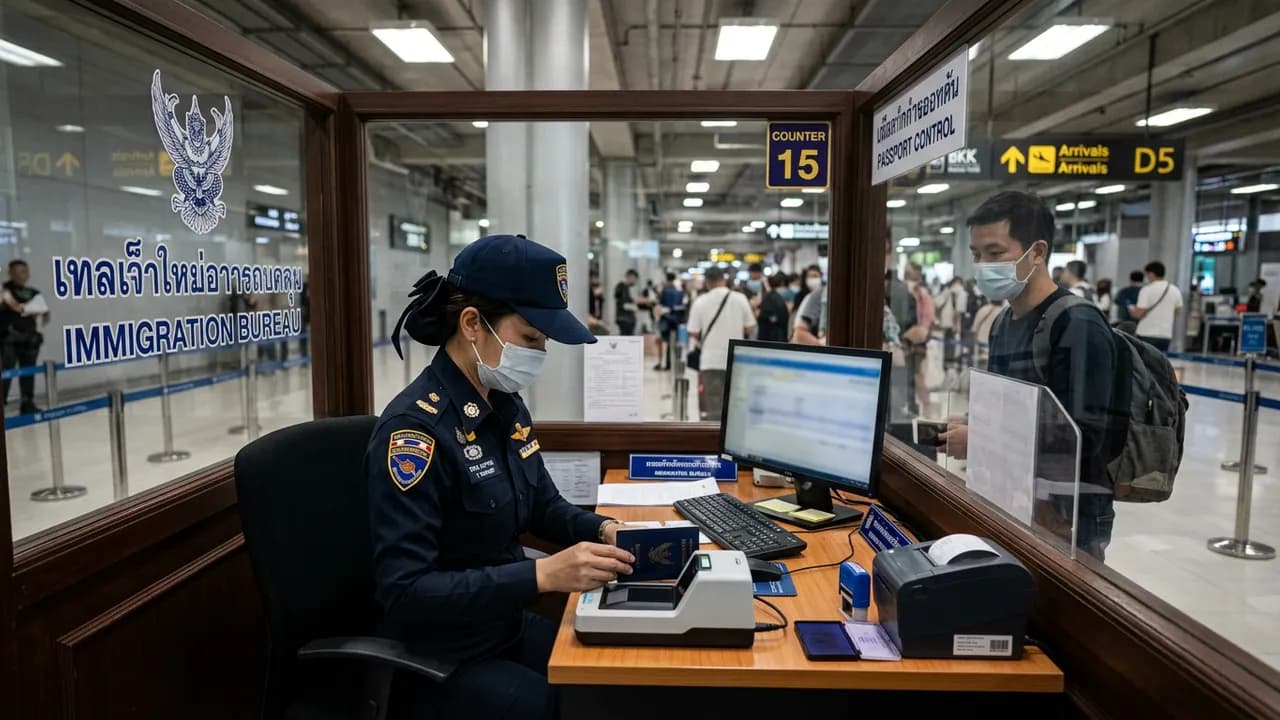
Thailand maintains immigration blacklists that can prevent foreign nationals from re-entering the country for periods ranging from one year to a lifetime. If you have overstayed, been deported, or committed certain offenses, understanding the blacklist system is critical for planning your future travel. This guide explains what triggers a blacklist entry, how long each ban lasts, the difference between types of blacklists, and what options — if any — exist for appeal. For the broader penalty context, see our Thailand overstay penalties overview.
Quick Facts: Thailand Immigration Blacklist
| Detail | Information |
|---|---|
| Administered by | Thai Immigration Bureau (under the Royal Thai Police) |
| Types of blacklists | Overstay blacklist, criminal/security blacklist |
| Shortest ban | 1 year |
| Longest ban | Lifetime (for serious offenses) |
| How to check | Contact Thai embassy or immigration (no public database) |
| Appeals | Extremely limited; no formal public process |
| Applies to | All foreign nationals |
What Triggers a Blacklist Entry?
There are several categories of actions that can place you on Thailand's immigration blacklist.
1. Overstay (Caught by Authorities)
The most common trigger. If you overstay your permitted time in Thailand and are apprehended by authorities (rather than departing voluntarily), you face the following bans:
| Overstay Duration | Ban Length |
|---|---|
| Less than 90 days | No ban |
| 90 days to less than 1 year | 1-year ban |
| 1 year to less than 3 years | 3-year ban |
| 3 years to less than 5 years | 5-year ban |
| 5 years or more | 10-year ban |
These bans took effect under Immigration Bureau Order 777/2558, issued in 2015 under the authority of the Immigration Act B.E. 2522 (1979), which significantly tightened enforcement against overstayers. The ban schedule is applied at every port of entry and is administered by the Thai Immigration Bureau.
2. Overstay (Voluntary Departure)
If you overstay but depart voluntarily (turn yourself in at the airport or an immigration office), the penalties are far less severe:
| Overstay Duration | Ban Length |
|---|---|
| Less than 5 years | No ban |
| 5 years or more | 1-year ban |
This distinction is the strongest incentive for overstayers to self-report rather than waiting to be caught. See our detailed guide on voluntary departure during overstay.
3. Deportation
If you are formally deported from Thailand (for any reason), you are blacklisted. Deportation bans are typically:
- Standard deportation: 5-year ban (or longer, at the discretion of immigration)
- Deportation with criminal conviction: 10-year ban or lifetime ban
Deportation is distinct from voluntary departure. In deportation, you are escorted out of the country by immigration officers and the government pays for (or mandates payment for) your exit transportation.
4. Criminal Offenses
Certain criminal activities trigger automatic or discretionary blacklisting:
- Drug offenses — Typically result in imprisonment followed by deportation and a lifetime ban.
- Working without a work permit — If caught and prosecuted, results in deportation and a blacklist entry (typically 1–5 years, depending on circumstances).
- Fraud, theft, or violent crimes — Conviction leads to imprisonment, deportation, and blacklisting. Duration depends on the severity of the offense.
- Immigration fraud — Using forged documents, fake visa stamps, or fraudulent passport information results in criminal prosecution and a blacklist entry that is often permanent.
- Royal defamation (lese-majeste) — Conviction under Section 112 of the Criminal Code carries severe penalties including imprisonment and subsequent deportation and blacklisting.
5. National Security Concerns
The Thai government can blacklist any individual deemed a threat to national security, public safety, or public order. These decisions are made at a high level and are not subject to standard appeal processes. Individuals in this category may not even be aware they are blacklisted until they attempt to enter Thailand.
6. Repeated Immigration Violations
A pattern of repeated minor violations can lead to blacklisting, including multiple short overstays, frequent visa runs viewed as attempts to live in Thailand without proper authorization, and repeated short-stay entries suggesting illegal work. Immigration officers have discretion to flag patterns suggesting visa system abuse.
Understanding Ban Durations
1-Year Ban
- Most common trigger: Overstay of 90 days to 1 year (caught), or overstay of 5+ years (voluntary departure)
- Counted from: The date you leave Thailand
- Effect: You cannot enter Thailand for 1 year from your departure date. Attempting to board a flight to Thailand or arriving at a Thai border will result in being turned away.
3-Year Ban
- Trigger: Overstay of 1 to 3 years (caught)
- Counted from: Date of departure/deportation
- Effect: No entry to Thailand for 3 years. This is a significant ban that affects people who have lost track of their visa status for an extended period.
5-Year Ban
- Trigger: Overstay of 3 to 5 years (caught), or standard deportation
- Counted from: Date of departure/deportation
- Effect: No entry for 5 years. At this level, the ban is serious enough that even after it expires, future visa applications receive heightened scrutiny.
10-Year Ban
- Trigger: Overstay of 5+ years (caught), or deportation with criminal involvement
- Counted from: Date of departure/deportation
- Effect: No entry for 10 years. This is the most severe time-limited ban and typically accompanies the worst overstay cases or criminal deportations.
Lifetime Ban
- Trigger: Serious criminal offenses, national security threats, immigration fraud
- Effect: Permanent prohibition from entering Thailand. There is no automatic expiration.
How to Check If You Are Blacklisted
Thailand does not maintain a publicly accessible blacklist database. There is no website or portal where you can enter your passport number and check your status. However, there are several ways to determine if you are on the blacklist:
Method 1: Contact a Thai Embassy or Consulate
The most reliable method. Visit or contact the Thai embassy or consulate in your home country (or any country). Explain your situation and ask them to check your status in the immigration system. You will need to provide:
- Your full name (as it appears in your passport)
- Your passport number
- Your date of birth
- Your nationality
- The approximate date you last left Thailand
The embassy can query the immigration database and inform you of your status. Response times vary — some embassies provide answers within a few days, others may take several weeks.
Method 2: Apply for a Visa
If you apply for a Thai visa while blacklisted, the application will be denied. This method is not recommended as a "check," since a visa denial goes on your record and can complicate future applications.
Method 3: Hire an Immigration Lawyer in Thailand
A Thai immigration lawyer with contacts at the Immigration Bureau can inquire about your blacklist status on your behalf. This is particularly useful if you are unsure about your status and want a definitive answer before making travel plans. Costs for this service range from 5,000 to 20,000 THB depending on the complexity.
Method 4: Attempt Entry (Not Recommended)
If you arrive at a Thai border while blacklisted, you will be denied entry and placed on the next flight out at your expense. This is risky, expensive, and creates an additional negative record.
Overstay Blacklist vs. Criminal Blacklist
Thailand maintains separate categories within its blacklist system, and the distinction matters.
Overstay Blacklist
- Triggered by visa overstay (caught by authorities)
- Has defined durations (1, 3, 5, or 10 years)
- Expires automatically after the ban period ends
- Once expired, you can apply for a new visa and enter Thailand normally (though your history is still visible in the system)
- No criminal record in Thailand associated with the overstay itself
Criminal/Security Blacklist
- Triggered by criminal conviction, deportation for criminal activity, national security determination, or immigration fraud
- Duration may be fixed or permanent, depending on the offense
- Does not automatically expire in the case of lifetime bans
- Associated with a criminal record in Thailand
- Far more difficult to appeal or have removed
- May affect your ability to enter other countries as well, if Thailand shares information through international law enforcement channels (INTERPOL, bilateral agreements)
Key Differences
| Aspect | Overstay Blacklist | Criminal Blacklist |
|---|---|---|
| Trigger | Overstay (caught) | Criminal offense or security threat |
| Maximum duration | 10 years | Lifetime |
| Auto-expiry | Yes | Not for lifetime bans |
| Criminal record | No | Yes |
| Appeal possibility | Very limited | Extremely limited |
| Affects other countries | Rarely | Potentially |
Can You Appeal a Blacklist Entry?
The short answer is: in practice, it is extremely difficult.
Overstay Blacklist Appeals
Thailand does not have a formal appeals process for overstay blacklists. Ban durations are applied according to a set schedule. In rare cases, an immigration lawyer may petition the Immigration Bureau Commissioner for exceptional circumstances (medical emergency, family crisis), or a clerical error can be corrected. However, the vast majority of overstay blacklist entries run their full course.
Criminal Blacklist Appeals
Criminal blacklist entries require extraordinary measures to overturn: reversal of conviction through Thai courts, or diplomatic intervention at the government level. For practical purposes, criminal blacklist entries are permanent and not appealable through normal channels.
What Happens When a Ban Expires?
When an overstay blacklist ban expires:
- Your name is automatically removed from the active blacklist after the ban period ends.
- You can apply for a new Thai visa at any embassy or consulate.
- Your overstay history remains in the immigration database permanently, even though the ban has expired.
- Visa officers reviewing your application will see your history and may ask for an explanation or additional documentation.
- Approval of a new visa is at the discretion of the issuing officer. Having a previous blacklist entry does not automatically disqualify you, but it does create additional scrutiny.
Tips for Applying After a Ban Expires
- Apply at the Thai embassy in your home country — home-country embassies tend to be more lenient with returning applicants.
- Prepare a letter of explanation outlining the circumstances and what has changed.
- Provide strong supporting documents — bank statements, hotel bookings, return flights — to demonstrate legitimate purpose.
- Be honest. Immigration has your records and dishonesty results in immediate denial.
Passport Renewal and Blacklists
A common misconception is that getting a new passport will clear a blacklist entry. This is not true. Thailand's blacklist system tracks individuals by name, date of birth, nationality, biometric data, and previous passport numbers. Your old passport number is linked to the new one in the system. Attempting to use a new passport to circumvent a blacklist may be treated as immigration fraud, which carries its own severe penalties.
Prevention: How to Avoid the Blacklist
The best strategy is to never end up on the blacklist in the first place:
- Track your visa expiry dates carefully. Set calendar reminders for 30, 14, and 7 days before expiration.
- Apply for extensions on time. Visit immigration well before your stamp expires. See our guides on the tourist visa extension and visa exemption extension processes.
- If you realize you have overstayed, depart voluntarily immediately. Voluntary departure under 5 years carries no ban.
- Do not work without a work permit. This is one of the most common triggers for deportation and blacklisting. See our Thailand work permit guide for the legal process.
- Comply with 90-day reporting. While a missed report alone does not trigger a blacklist, it increases scrutiny.
- Keep your documents current. An expired passport while in Thailand complicates everything.
Frequently Asked Questions
Can I transit through Thailand if I am blacklisted?
Generally, no. Even for transit, you typically pass through Thai immigration. It is safest to avoid booking flights with Thai layovers if you are blacklisted.
Does the blacklist apply to all Thai border crossings?
Yes. The blacklist is a national database accessed at all international airports, land borders, and seaports. It does not matter which entry point you attempt to use.
My ban has expired but my visa application was still denied. Why?
A ban expiration does not guarantee visa approval. The embassy has discretion to deny any application. Your overstay history remains a negative factor. Strengthening your supporting documents and applying from your home country can help.
Can I check the remaining time on my ban?
If you know the date you departed Thailand and the ban duration, you can calculate the end date yourself. The ban runs from the date of your departure. For example, a 3-year ban starting from a departure date of January 15, 2024, would expire on January 15, 2027.
Are children subject to the blacklist?
Yes, technically. However, immigration exercises more discretion with children, especially when the overstay resulted from a parent's actions. In practice, children are rarely blacklisted for overstay.
Does Thailand share its blacklist with other countries?
Routine overstay data is generally not shared. Criminal blacklist data — especially related to drug trafficking, terrorism, or serious crimes — may be shared through INTERPOL and bilateral law enforcement channels.
Summary
Thailand's immigration blacklist is a serious enforcement tool with real consequences for overstayers and those who violate immigration law. The system distinguishes sharply between voluntary departure and being caught, with dramatically different ban durations for each scenario. There is no public database to check your status, no straightforward appeals process, and a new passport will not erase your record. The most effective strategy is prevention: track your dates, extend on time, and if you do overstay, depart voluntarily as soon as possible. If you have already been blacklisted, consult a Thai immigration lawyer and wait for your ban to expire before attempting to return.