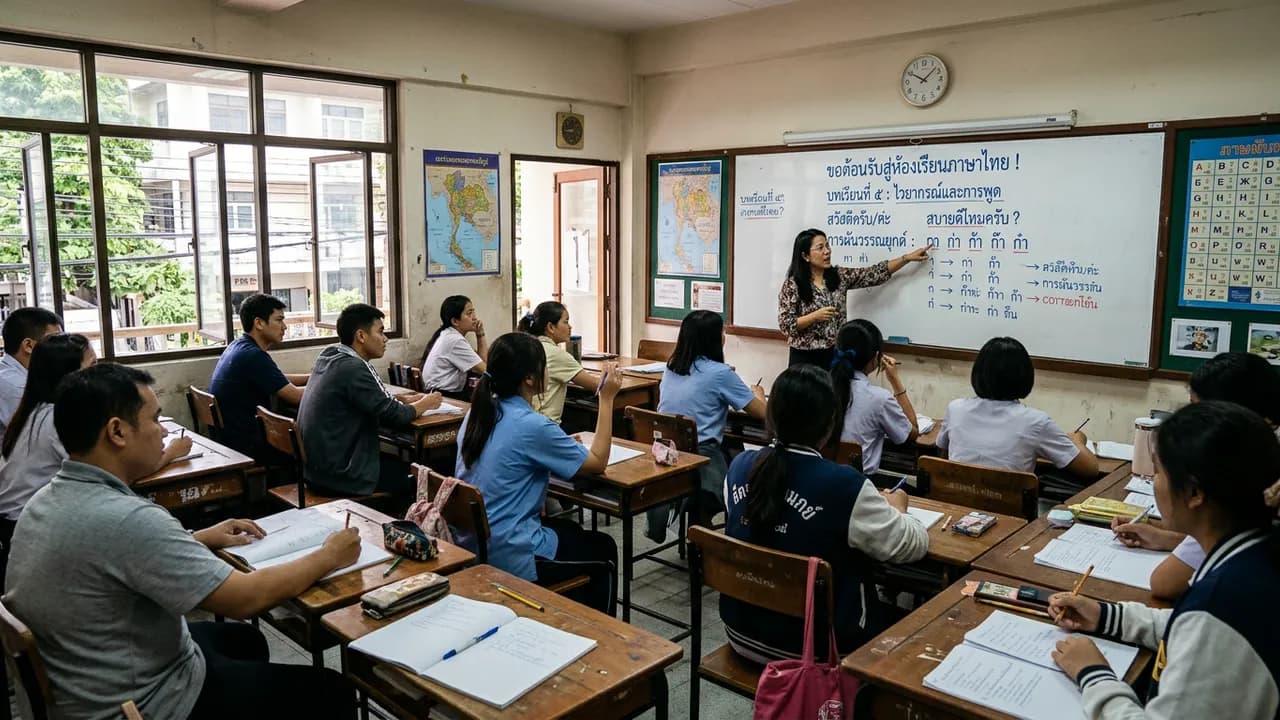
To extend an education visa in Thailand, you must first hold a Non-Immigrant ED (Education) visa — one of the most popular long-stay options, used by thousands of foreigners studying Thai language, Muay Thai, culinary arts, or degree programs. Unlike a tourist visa, the ED visa can be extended multiple times as long as your studies continue, allowing stays of one year or more without leaving the country. This guide covers every step of the extension process.
Quick Facts: Education Visa Extension
| Detail | Information |
|---|---|
| Extension length | 90 days per extension |
| Fee | 1,900 THB per extension (cash only) |
| Where | Thai Immigration office in your registered province |
| Processing time | Same day (typically 1–4 hours) |
| Application window | Within 30 days before current stamp expires |
| Maximum extensions | No hard limit — tied to course duration |
| Total possible stay | 1 year initial, renewable annually in some cases |
Who Is Eligible for an ED Visa Extension?
You can apply for a 90-day extension if you hold a valid Non-Immigrant ED visa stamp and are actively enrolled in an approved educational program. Qualifying programs include:
- Thai language schools registered with the Ministry of Education
- Muay Thai training camps with proper licensing
- International schools and universities (degree and diploma programs)
- Culinary schools offering accredited courses
- Buddhist studies and meditation programs at recognized institutions
- Vocational training programs approved by the government
The critical requirement is that your school or institution must be registered with Thailand's Ministry of Education and authorized to sponsor ED visa students.
Documents You Need
Required Documents
-
Passport — Valid for at least 6 months. Bring the original plus photocopies of:
- Bio page (photo and personal information)
- ED visa sticker page
- Most recent entry stamp page
- All previous extension stamps
- Departure card (TM.6)
-
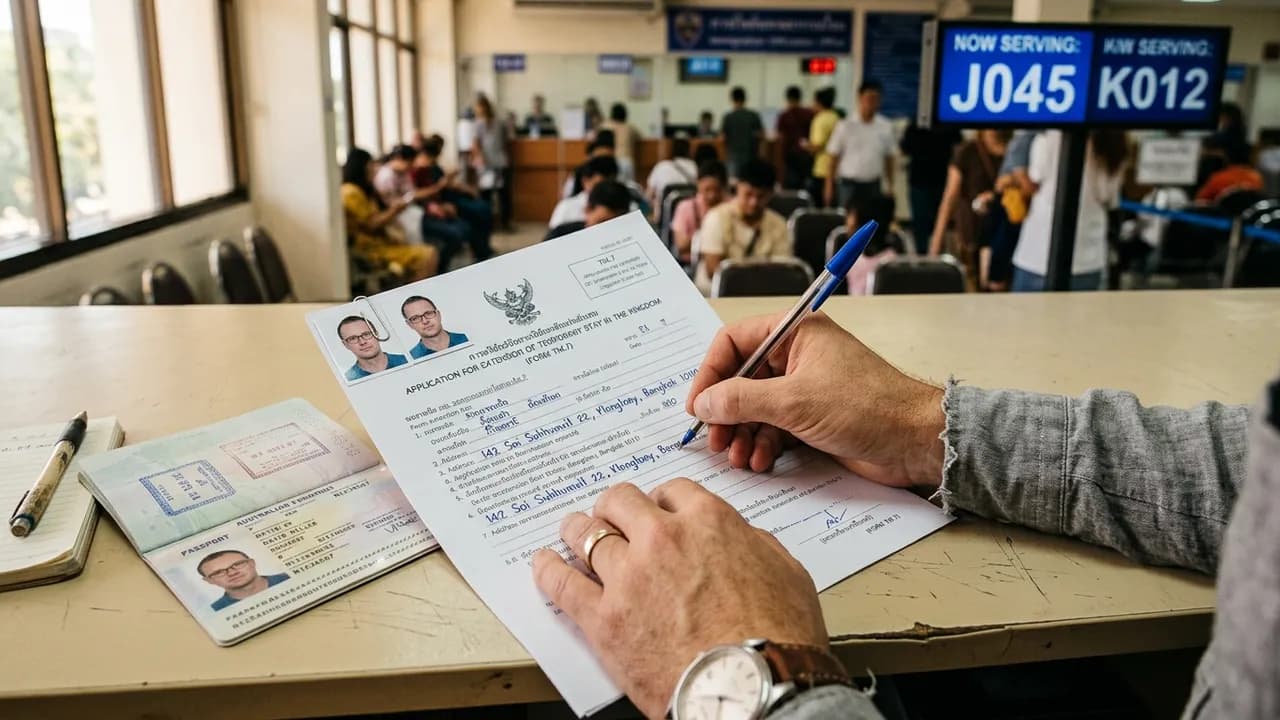
TM.7 Application Form — Official extension request form, completed in English with blue or black ink.
-
One passport-sized photo (4x6 cm) — White background, taken within the last 6 months. Attach to TM.7 form.
-
1,900 THB in cash — Government extension fee. Cards and transfers are not accepted at most offices.
-
School letter (official support letter) — This is the single most important document. It must be issued by your school on official letterhead and include:
- Your full name and passport number
- Course name and description
- Enrollment dates (start and expected end date)
- Confirmation that you are actively attending classes
- Statement requesting the extension on your behalf
- School director's signature and official school stamp
- School's Ministry of Education registration number
-
Transcript or attendance record — Many immigration offices require proof that you are actually attending your program. This may be a class attendance log, exam results, or progress report signed by the school.
-
Proof of accommodation — Hotel booking, lease agreement, or TM.30 receipt showing your current address.
School Letter Requirements in Detail
The school letter is where most ED visa extensions succeed or fail. Immigration officers scrutinize these carefully. Your school should provide this letter as part of their visa support services — reputable schools know exactly what immigration requires.
Key points about the school letter:
- It must be dated within 15 days of your extension application
- The school stamp must be original (not photocopied)
- Some offices require the school letter to be in both Thai and English
- If your school has changed directors or addresses, the letter must reflect current details
- The letter should specify the exact number of hours of instruction per week
If your school is unable or unwilling to provide this letter, that is a significant red flag about the school's legitimacy and your extension will almost certainly be denied.
Step-by-Step Extension Process
Step 1: Coordinate with Your School
Contact your school's visa support office at least 2–3 weeks before your current stamp expires. Give them time to prepare the support letter and any other documents. Some schools handle the entire extension process for you; others simply provide paperwork and expect you to visit immigration yourself.
Step 2: Gather and Prepare All Documents
Prepare originals and photocopies of every document listed above. Sign each photocopy. Fill out the TM.7 form completely. Double-check that your school letter is dated correctly and contains all required elements.
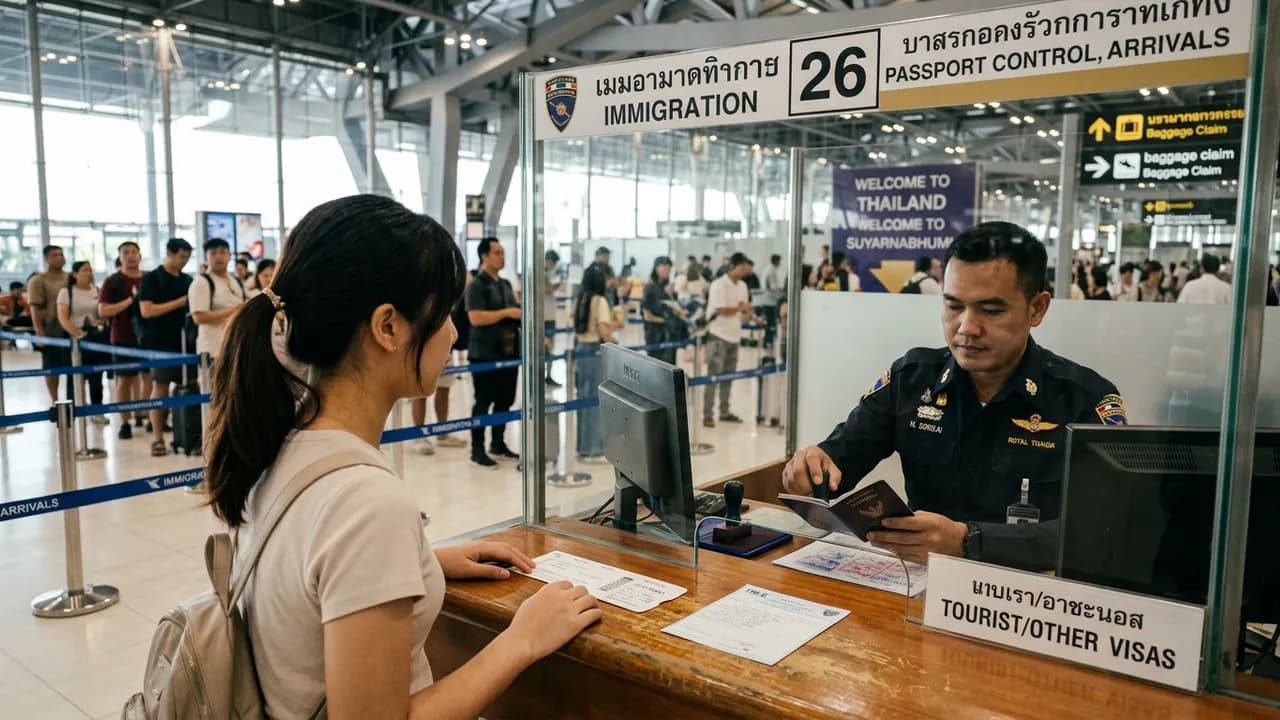
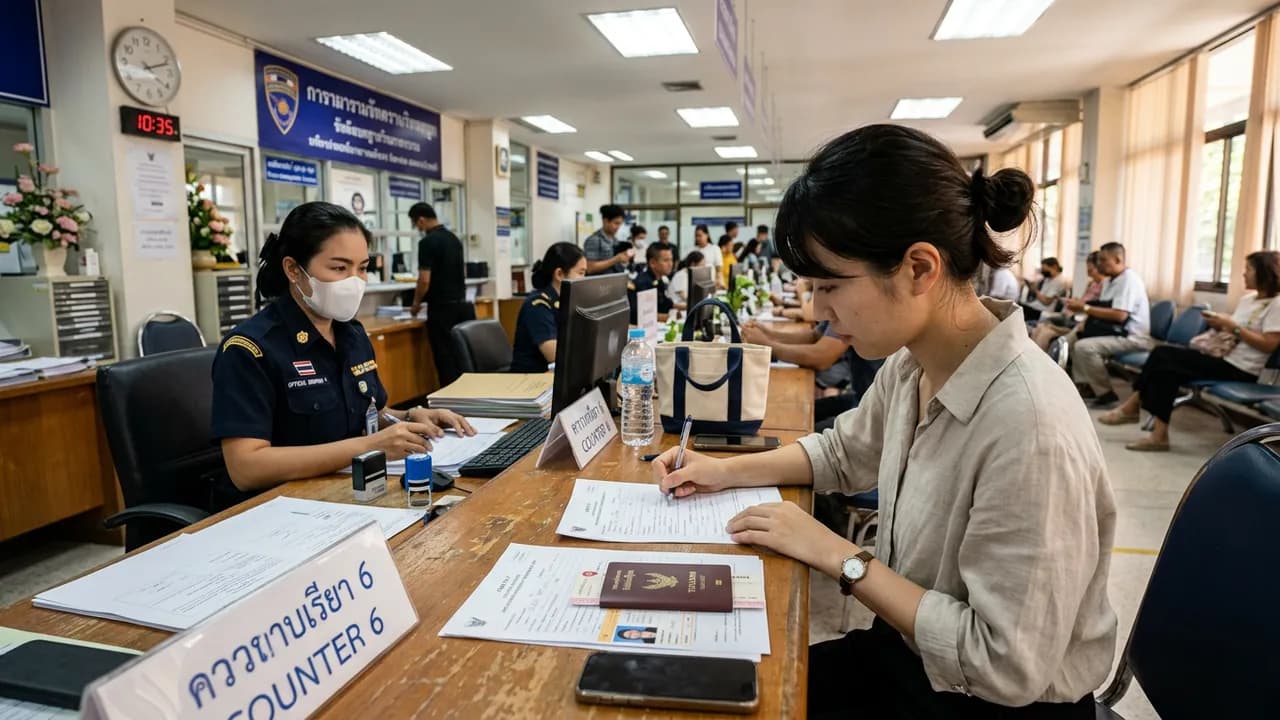
Step 3: Visit Immigration
Go to the immigration office in the province where you are registered as a student. This is important — you generally cannot apply for an ED extension at a different province's office unless you have transferred your registration.
Arrive early. Offices open at 08:30 and close at 16:30, Monday through Friday. Smaller offices close for lunch from 12:00 to 13:00.
Step 4: Submit Your Application
Hand all documents to the officer at the ED visa counter. The officer will:
- Review your school's registration status in the system
- Verify your attendance records
- Check that your school letter is current and properly formatted
- Possibly ask you basic questions about your studies (what are you learning, who is your teacher, how many hours per week)
Answer truthfully. Immigration has increased scrutiny of ED visa holders in recent years to crack down on people using language schools purely as visa vehicles without actually attending classes.
Step 5: Wait for Processing
Processing typically takes 1–4 hours. At busy offices like Bangkok Chaeng Watthana, it can take the full morning. Bring something to read.
Step 6: Collect Your Passport
When called, verify your new permitted stay date. The extension grants 90 days from your current expiry date, not from the application date.
Multiple Extensions: How Long Can You Stay?
The ED visa structure allows for extended stays through sequential 90-day extensions:
| Period | Status | Notes |
|---|---|---|
| First 90 days | Initial entry stamp | From your Non-Immigrant ED visa |
| Extension 1 | +90 days | First 1,900 THB extension |
| Extension 2 | +90 days | Second extension, more scrutiny |
| Extension 3 | +90 days | Total ~1 year, highest scrutiny |
| Beyond 1 year | New visa or continued extensions | Depends on program length |
How Many Extensions Are Possible?
There is no official maximum number of ED visa extensions. However, the practical limits are:
- Language school programs typically support 1–2 years of extensions. After that, immigration may question why you have not completed your studies.
- Degree programs at universities can support extensions for the full duration of the program (2–4 years for undergraduate, 1–2 years for graduate).
- Muay Thai and vocational programs are typically limited to 1 year of extensions.
Each subsequent extension receives more scrutiny. By the third or fourth extension, immigration may:
- Interview you in basic Thai to verify you are actually learning
- Request additional documentation from the school
- Contact the school directly to verify enrollment
- Ask for exam results or progress reports
90-Day Reporting Requirement
While on an ED visa, you must complete 90-day reporting every 90 days. This is separate from the extension process. You notify immigration of your current address either:
- In person at the immigration office
- By mail (send 15 days before the due date)
- Online via the Thai Immigration 90-day reporting system (when available)
Missing a 90-day report carries a 2,000 THB fine and can complicate your next extension.
Costs Breakdown
| Item | Cost |
|---|---|
| Extension fee (per 90-day extension) | 1,900 THB |
| Passport photos | 100–200 THB |
| Photocopies | 20–50 THB |
| School support letter | Usually included in tuition |
| Total per extension | Approximately 2,020–2,150 THB |
Over a full year (3–4 extensions), you can expect to pay approximately 6,000–8,600 THB in extension fees and related costs, not including school tuition.
Common Reasons for Denial
Extensions can be denied for several reasons:
- School not properly registered — If your school loses its Ministry of Education registration or is flagged by immigration, all student extensions at that school may be frozen.
- Poor attendance — If your school reports that you are not attending classes, your extension will be denied.
- Incomplete documents — Missing school letter, expired photos, or unsigned photocopies.
- Suspected visa misuse — If immigration believes you are using the ED visa solely for the purpose of staying in Thailand without genuine interest in studying.
- Overstayed previous permission — If you apply after your current stamp has already expired, you cannot extend. You will be processed for overstay instead.
What to Do If Your Extension Is Denied
If your ED visa extension is denied:
- You will typically be given 7 days to leave Thailand.
- You can apply for a new ED visa at a Thai embassy or consulate abroad.
- Consider switching to a different school with a stronger reputation if the denial was school-related.
- Consult an immigration lawyer if you believe the denial was made in error.
Tips for a Smooth ED Visa Extension
Choose Your School Carefully
Not all schools that advertise ED visa sponsorship are equal. Research the school's track record with immigration before enrolling. Ask current students about their extension experiences.
Actually Attend Classes
This is both a legal requirement and practical advice. Immigration has become increasingly strict about verifying attendance. Schools that allow students to skip classes regularly may lose their license, leaving all enrolled students without visa sponsorship.
Keep All Receipts and Records
Save tuition payment receipts, attendance records, exam results, and all correspondence with your school. If immigration ever questions your enrollment, having organized records makes a significant difference.
Build a Relationship with Your School's Visa Officer
Every reputable school has a staff member who handles visa support. Get to know them, be responsive to their requests, and give them adequate notice before each extension deadline.
Do Not Work on an ED Visa
Employment of any kind is illegal on an Education visa. This includes freelance work, teaching English, and online work performed while physically in Thailand. Violations can result in detention, fines, deportation, and a blacklist ban.
Frequently Asked Questions
Can I travel outside Thailand during my ED visa?
Yes, but you need a re-entry permit before leaving. Without one, your ED visa is cancelled upon departure. Single re-entry permits cost 1,000 THB, and multiple re-entry permits cost 3,800 THB. Apply at any immigration office before your trip.
Can I switch from an ED visa to a work visa without leaving Thailand?
In most cases, no. You typically need to exit Thailand and apply for a Non-Immigrant B visa at a Thai embassy abroad. However, some immigration offices may allow a visa type change in specific circumstances — consult with immigration or a visa lawyer for your situation.
How soon before my expiry date should I apply for the extension?
Apply within 30 days of your expiry date. Many people apply 2–3 weeks early to avoid last-minute problems. The extension is always calculated from your current expiry date, so applying early does not reduce your total stay.
What if my school closes down while I am enrolled?
If your school closes or loses its license, your visa sponsorship ends. You should immediately contact immigration to understand your options. You may be given a grace period to find a new school or prepare to leave the country.
Summary
Extending an Education visa in Thailand is a repeatable process that allows you to stay for a year or more, provided you are genuinely enrolled in and attending an approved program. The key to success is choosing a reputable school, maintaining good attendance, and keeping your documents organized. Coordinate with your school well before each extension deadline, arrive at immigration with complete paperwork, and the process is straightforward.