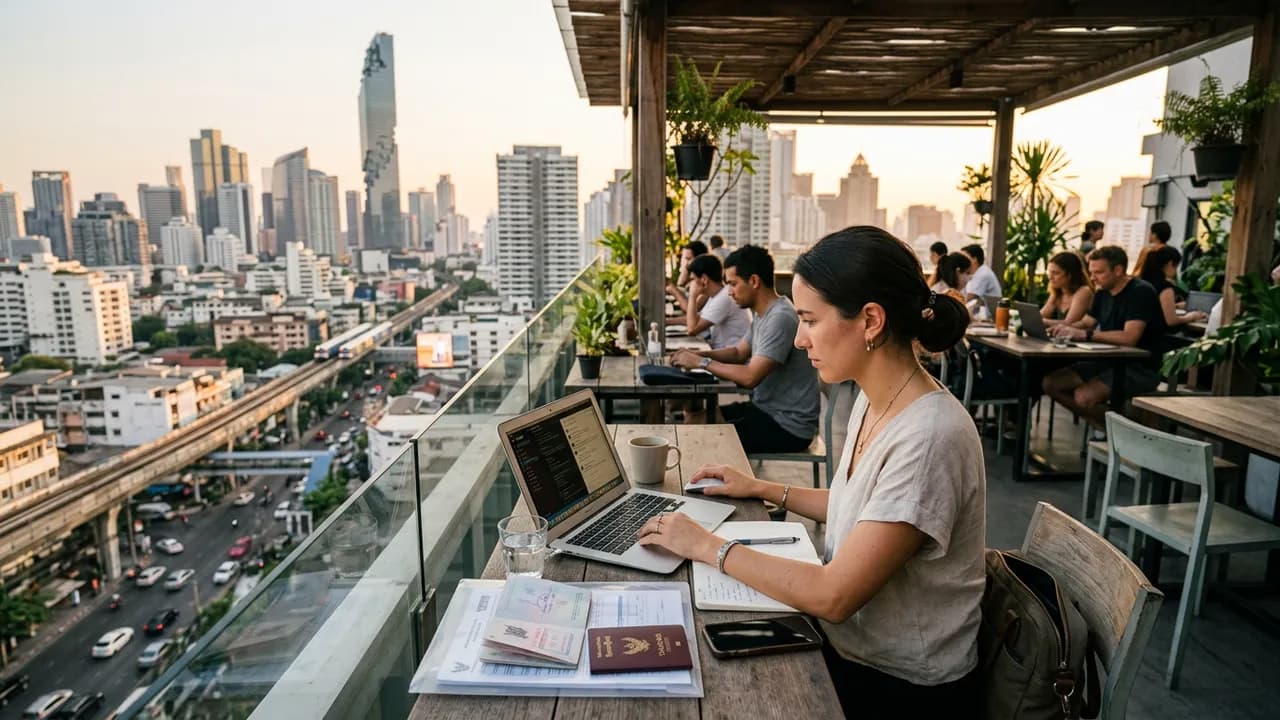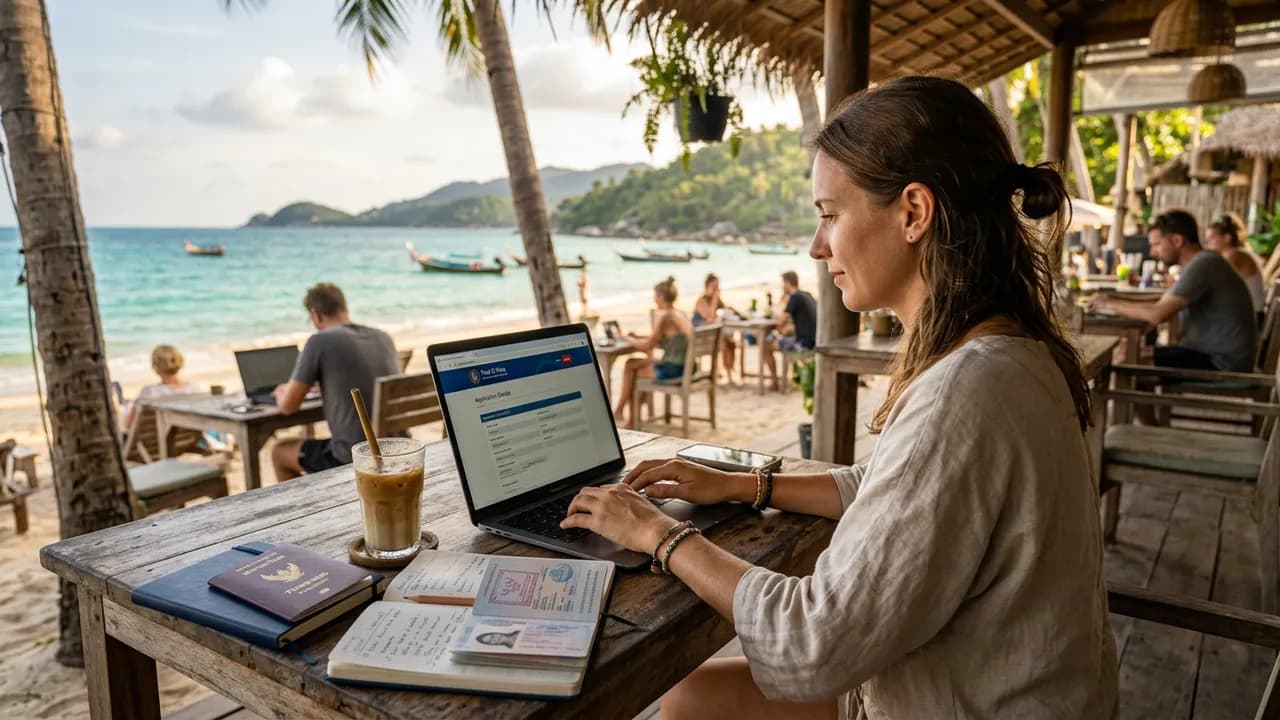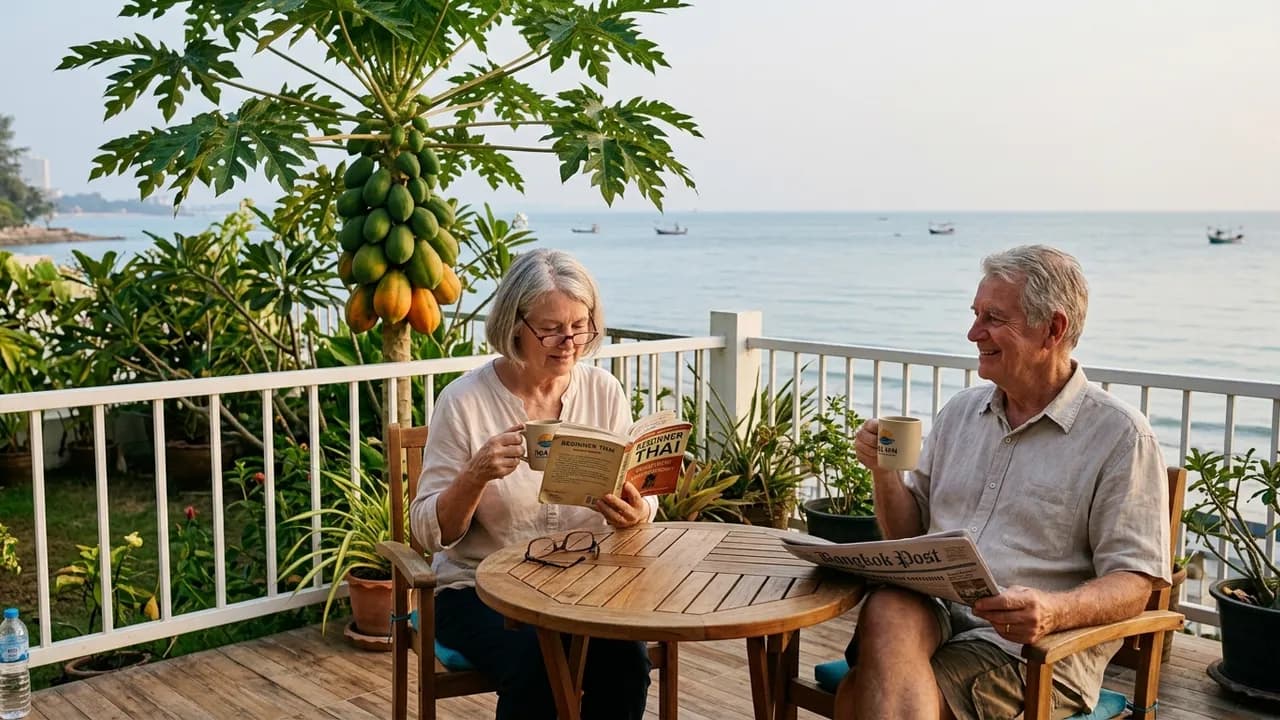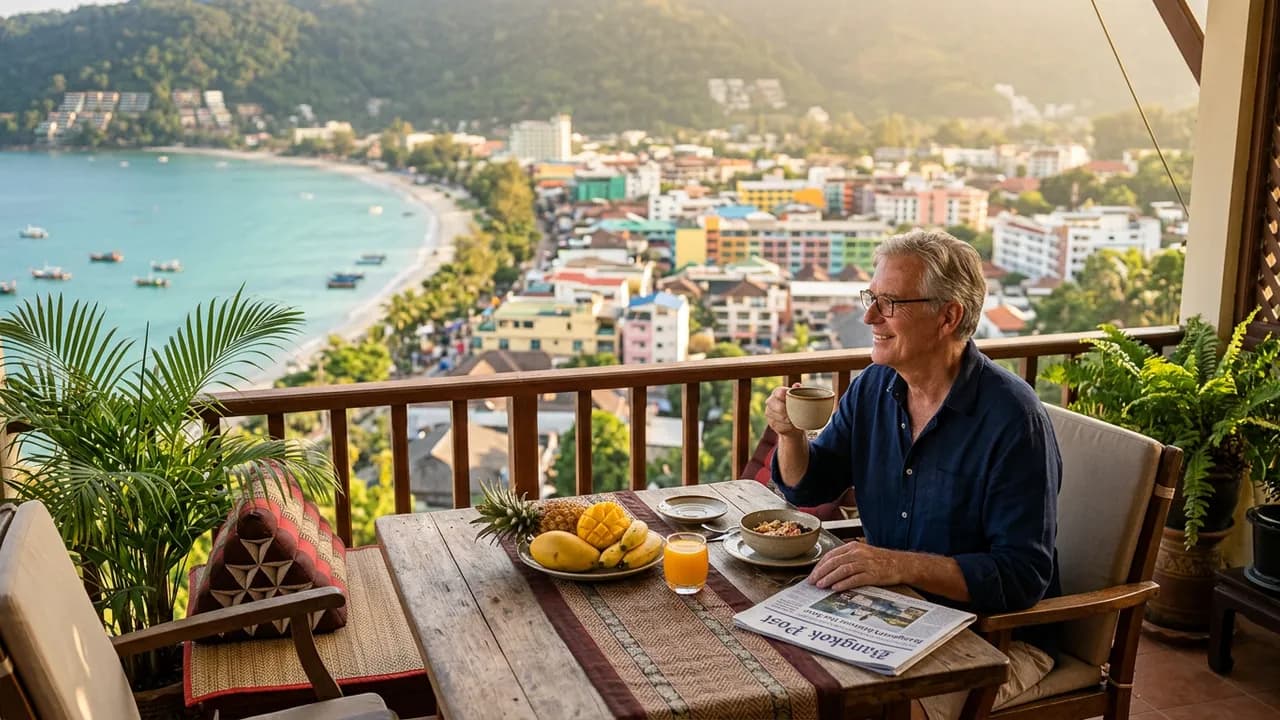
The best cities in Thailand for digital nomads offer something unusual: genuine variety across at least six distinct bases, each with a fundamentally different lifestyle. Most countries have one or two nomad hotspots. Thailand has at least six distinct bases, each offering a fundamentally different lifestyle at a fraction of Western costs. Whether you want big-city energy, mountain serenity, beach life, or island community, there is a Thai city that fits. For the broader context on visas, costs, and infrastructure, see our digital nomad Thailand guide.
This guide profiles each major nomad hub in detail, comparing them across the factors that matter most to remote workers: cost, internet, coworking, accommodation, food, community, and lifestyle.
Quick Comparison Table
| City | Monthly Cost | Internet | Coworking | Community | Best For |
|---|---|---|---|---|---|
| Chiang Mai | 25,000-50,000 THB | Excellent | Excellent | Very large | Budget-focused, community-oriented |
| Bangkok | 35,000-80,000 THB | Excellent | Excellent | Large but dispersed | Ambition, networking, urban energy |
| Phuket | 35,000-70,000 THB | Good-Excellent | Good | Growing | Beach + productivity balance |
| Koh Phangan | 30,000-55,000 THB | Good | Good | Tight-knit | Wellness, community, island life |
| Koh Samui | 35,000-65,000 THB | Good | Limited | Small | Resort lifestyle, families |
| Hua Hin | 25,000-50,000 THB | Good | Limited | Small | Quiet beach, older demographic |
| Pai | 15,000-30,000 THB | Moderate | Limited | Seasonal | Nature, budget, short stays |
Costs reflect a comfortable lifestyle including accommodation, food, coworking, transport, and entertainment.
Chiang Mai: The Original Nomad Capital
Chiang Mai has been the world's most popular digital nomad destination for over a decade, and for good reason. The combination of extremely low cost of living, reliable infrastructure, and a massive nomad community creates an environment where remote work feels natural and sustainable.
Why Nomads Choose Chiang Mai
The city sits in a mountain valley in northern Thailand, surrounded by temples, forests, and rice paddies. The Old City, a square-mile area enclosed by a moat, anchors the historical and cultural heart. The Nimman area, a 10-minute drive west, is the modern hub where most nomads base themselves — packed with cafes, coworking spaces, restaurants, and condominiums.
Chiang Mai: Cost of Living
| Expense | Monthly Cost |
|---|---|
| Studio apartment (Nimman area) | 8,000-18,000 THB |
| One-bedroom condo | 12,000-25,000 THB |
| Coworking membership | 3,000-5,000 THB |
| Food (mix of local + Western) | 8,000-15,000 THB |
| Motorbike rental | 2,500-3,500 THB |
| Utilities (electricity, water, internet) | 2,000-4,000 THB |
| Total comfortable budget | 30,000-50,000 THB ($850-1,430 USD) |
Chiang Mai is one of the most affordable places on the planet for the quality of life you get. A Thai meal costs 40-60 THB. A cappuccino at a quality cafe costs 60-90 THB. You can live well on a budget that would barely cover rent in many Western cities.
Chiang Mai: Internet and Coworking
Fiber internet is available throughout the city at speeds up to 1 Gbps. Most condominiums offer WiFi included in the rent, though speeds vary (always test before committing).
Top coworking spaces:
- Punspace (Nimman and Tha Phae) — The original Chiang Mai coworking space. Clean, reliable, 24/7 access. Monthly from 3,500 THB.
- CAMP at Maya Mall — Free coworking space operated by AIS (mobile carrier). Buy a drink and work. Crowded but functional.
- Yellow Coworking — Community-focused space with events and workshops. Monthly from 4,000 THB.
- Hub53 — Modern space in the Nimman area with private offices and hot desks.
- Heartspace — Quieter, design-focused space popular with creative professionals.
Chiang Mai: Lifestyle
Chiang Mai offers a relaxed pace that suits deep work. The city is walkable in the center, temples provide peaceful retreats, and weekend markets (Saturday Walking Street, Sunday Walking Street, and the massive Warorot Market) offer rich cultural experiences. The surrounding mountains provide hiking, waterfall chasing, and day trips to hill tribe villages and elephant sanctuaries.
Chiang Mai: Drawbacks
- Burning season (February-April) — Air quality deteriorates significantly as agricultural burning and wildfires create a haze. AQI regularly exceeds 200. Many nomads leave during this period.
- Smaller city feel — If you thrive on big-city energy, Chiang Mai may feel too quiet after a while.
- Limited nightlife — Compared to Bangkok, the nightlife scene is modest.
- Flight connections — International flights are more limited than Bangkok. Most long-haul routes require a connection through BKK or DMK.
Chiang Mai: Best For
First-time nomads, budget-conscious workers, community seekers, people who prioritize quality of life over urban excitement.
Bangkok: The Metropolis
Bangkok is Southeast Asia's most dynamic city — a sprawling, chaotic, endlessly interesting metropolis that rewards curiosity. For nomads who want access to everything, Bangkok delivers: world-class food, nightlife, shopping, culture, and a growing professional tech and startup scene. See our coworking spaces guide for detailed reviews of Bangkok workspaces.
Why Nomads Choose Bangkok
Bangkok is where ambition lives. The startup ecosystem, networking events, and professional opportunities are unmatched in Southeast Asia. If you are building a business, seeking investment, or want to connect with high-level professionals, Bangkok is the place.
Bangkok: Cost of Living
| Expense | Monthly Cost |
|---|---|
| Studio apartment (central: Silom, Sukhumvit, Thonglor) | 15,000-35,000 THB |
| One-bedroom condo (central) | 20,000-50,000 THB |
| Coworking membership | 4,000-8,000 THB |
| Food (mix of local + Western) | 10,000-20,000 THB |
| BTS/MRT transport | 2,000-4,000 THB |
| Utilities | 3,000-5,000 THB |
| Total comfortable budget | 45,000-80,000 THB ($1,285-2,285 USD) |
Bangkok is more expensive than Chiang Mai but remains affordable by global standards. The range is wide because lifestyle choices matter enormously — you can eat street food for 50 THB or dine at a Michelin-starred restaurant for 5,000 THB.
Bangkok: Internet and Coworking
Bangkok has the best internet infrastructure in Thailand. Fiber is ubiquitous in condominiums, and 5G coverage is widespread.
Top coworking spaces:
- The Hive (multiple locations) — Professional spaces in Thonglor, Prakanong, and Sathorn. Monthly from 5,500 THB.
- JustCo — Multiple CBD locations. Modern, corporate-friendly. Monthly from 6,000 THB.
- WeWork — International standard at premium prices. Monthly from 8,000 THB.
- Hubba (Ekkamai) — Community-driven with startup focus. Monthly from 4,500 THB.
- AIS D.C. (Siam) — Free coworking by AIS. Central location, gets crowded.
- True Digital Park — Massive tech and startup campus in Punnawithi. Coworking, events, accelerators.
Best Neighborhoods for Nomads
| Neighborhood | Vibe | Rent Range | Transit |
|---|---|---|---|
| Thonglor/Ekkamai | Hip, trendy, nightlife | 15,000-40,000 THB | BTS accessible |
| Ari | Relaxed, cafes, local feel | 12,000-30,000 THB | BTS Ari |
| Sathorn/Silom | Business district, diverse | 15,000-35,000 THB | BTS + MRT |
| On Nut/Punnawithi | Budget-friendly, growing | 8,000-20,000 THB | BTS On Nut |
| Rattanakosin (Old City) | Cultural, temples, tourist | 8,000-18,000 THB | Limited transit |
| Chatuchak/Ladprao | Residential, markets | 8,000-22,000 THB | MRT + BTS |
Bangkok: Lifestyle
Bangkok never stops. The food scene alone could keep you exploring for years — from legendary street food stalls to rooftop bars and world-class restaurants. Cultural attractions include the Grand Palace, Wat Pho, the National Museum, art galleries, and markets that range from the massive Chatuchak Weekend Market to boutique night markets.
Bangkok: Drawbacks
- Traffic — Bangkok's traffic is legendary. Plan your life around BTS/MRT lines.
- Heat — Temperatures regularly hit 35-38C. Air conditioning is essential.
- Noise and pollution — It is a massive city with corresponding air quality and noise levels.
- Overwhelming — The sheer size can be draining, especially for introverts.
Bangkok: Best For
Entrepreneurs, networkers, people who thrive in big cities, those seeking professional opportunities in Southeast Asia.
Phuket: Beach Productivity
Phuket is Thailand's largest island, offering beach life with proper urban infrastructure. It has grown significantly as a nomad destination since 2022, partly driven by the Sandbox program and the subsequent wave of remote workers who discovered that beach life and productivity are not mutually exclusive.
Phuket: Cost of Living
| Expense | Monthly Cost |
|---|---|
| Studio/one-bedroom (beach area) | 12,000-30,000 THB |
| Coworking membership | 4,000-7,000 THB |
| Food | 10,000-18,000 THB |
| Motorbike rental | 3,000-5,000 THB |
| Total comfortable budget | 35,000-65,000 THB ($1,000-1,860 USD) |
Phuket: Internet and Coworking
Internet is solid in developed areas. Fiber is available in most residential buildings. Some remote beach areas may have slower connections.
Top coworking spaces:
- Greenhouse Coworking — Well-established space in Chalong area
- Phuket CoCreate — Modern space with sea views
- KoHub Phuket — Café-style coworking
Best Areas
| Area | Vibe | Best For |
|---|---|---|
| Rawai/Nai Harn | Quiet, local, south end | Focused work, families |
| Chalong | Central, residential | Convenience, affordable |
| Kata/Karon | Beach town, touristic | Beach access, moderate budget |
| Patong | Party central | Nightlife (not ideal for work) |
| Old Town | Cultural, Sino-Portuguese architecture | Cafes, photography, culture |
| Laguna/Bang Tao | Upscale, resort area | Luxury, families |
Phuket: Drawbacks
- Motorbike dependency — Public transport is essentially nonexistent. You need a motorbike or car.
- Tourist pricing — Many services charge "Phuket prices" that are higher than the mainland.
- Rainy season (May-October) — Heavy afternoon rain, though mornings are often clear.
- Spread out — The island is large with no central hub. Communities are scattered.
Phuket: Best For
People who want beach life without sacrificing work infrastructure, families, those who enjoy water sports and outdoor activities.
Koh Phangan: Island Community
Koh Phangan has evolved far beyond its Full Moon Party reputation. The island now hosts one of the most intentional nomad communities in Asia, centered around wellness, yoga, and creative work. The vibe is distinctly different from anywhere else in Thailand.
Koh Phangan: Cost of Living
| Expense | Monthly Cost |
|---|---|
| Bungalow/apartment | 8,000-20,000 THB |
| Co-living space | 15,000-25,000 THB |
| Coworking | 3,500-6,000 THB |
| Food | 8,000-15,000 THB |
| Motorbike rental | 3,000-4,000 THB |
| Total comfortable budget | 30,000-50,000 THB ($860-1,430 USD) |
Koh Phangan: Internet and Coworking
Internet has improved dramatically but remains less reliable than mainland Thailand. Fiber is available in developed areas like Thong Sala, Sri Thanu, and Baan Tai. Remote areas may rely on 4G.
Key spaces:
- Beachub — The island's original coworking space. Right on the beach, strong community
- KOKO Hub — Modern space with fast internet and community events
- Dots — Co-living and coworking combined
Koh Phangan: Lifestyle
Koh Phangan's appeal is its blend of natural beauty and intentional community. The Sri Thanu area has become a wellness village with yoga studios, plant-based restaurants, sound healing sessions, and ecstatic dance events. The island's beaches are less developed than Phuket or Samui, giving them a wilder, more natural feel.
Koh Phangan: Drawbacks
- Internet reliability — Power cuts and weather can affect connectivity. Always have a mobile data backup.
- Isolation — Getting to the mainland requires a ferry (1-2 hours to Surat Thani pier, then travel from there). Flights go through Koh Samui, which is expensive.
- Limited healthcare — The island has basic medical facilities. Serious medical issues require evacuation to Samui or the mainland.
- Rainy season — October-December can bring heavy rain and rough seas.
- Limited variety — It is a small island. Some people feel confined after a few months.
Koh Phangan: Best For
Wellness-oriented nomads, community seekers, creative professionals, people who want to disconnect from urban life.
Koh Samui: Resort Island
Koh Samui offers a more developed, resort-oriented island experience. It is more polished than Koh Phangan, with better infrastructure, an international airport, and a wider range of restaurants and shopping.
Koh Samui: Cost of Living
| Expense | Monthly Cost |
|---|---|
| Apartment/villa | 12,000-35,000 THB |
| Food | 10,000-18,000 THB |
| Motorbike | 3,000-5,000 THB |
| Total comfortable budget | 35,000-60,000 THB ($1,000-1,715 USD) |
Koh Samui: Pros and Cons
Pros: International airport (direct flights from Bangkok, Singapore, Hong Kong), better healthcare than other islands, wide restaurant selection, family-friendly
Cons: More expensive than other Thai islands, coworking options are limited, the nomad community is smaller and less organized, tourist-oriented pricing
Koh Samui: Best For
Families, people who want island life with urban convenience, those who value easy travel connections.
Hua Hin: Quiet Coastal Town
Hua Hin sits on the Gulf of Thailand, about 2.5 hours south of Bangkok by car. It is a traditional Thai resort town that has attracted a growing number of retirees and nomads seeking a quieter beach experience.
Hua Hin: Cost of Living
| Expense | Monthly Cost |
|---|---|
| Apartment/condo | 8,000-20,000 THB |
| Food | 7,000-12,000 THB |
| Transport | 2,000-4,000 THB |
| Total comfortable budget | 25,000-45,000 THB ($715-1,285 USD) |
Hua Hin: Pros and Cons
Pros: Close to Bangkok, affordable, less touristy than islands, good seafood, Thai cultural authenticity, night markets
Cons: Limited coworking, small nomad community, beach is not the most attractive, quiet nightlife
Hua Hin: Best For
People who want beach proximity without island logistics, those who prefer a Thai (rather than tourist) atmosphere, nomads who visit Bangkok regularly.
Pai: Mountain Village Escape
Pai is a tiny mountain town in Mae Hong Son province, about 3 hours north of Chiang Mai via a famously winding road (762 curves). It attracts backpackers, artists, and nomads seeking nature immersion at rock-bottom prices.
Pai: Cost of Living
| Expense | Monthly Cost |
|---|---|
| Bamboo bungalow | 3,000-8,000 THB |
| Guesthouse room | 5,000-12,000 THB |
| Food | 5,000-10,000 THB |
| Motorbike | 2,000-3,000 THB |
| Total comfortable budget | 15,000-30,000 THB ($430-860 USD) |
Pai: Pros and Cons
Pros: Incredibly cheap, stunning natural scenery, hot springs, waterfalls, relaxed atmosphere, creative community
Cons: Unreliable internet (improving but still inconsistent), no real coworking spaces, very limited healthcare, seasonal (busy November-February, dead in rainy season), remote location
Pai: Best For
Short stays (2-4 weeks), nature lovers, people with flexible work schedules who can work around connectivity issues, budget travelers.
Seasonal Strategy: Following the Best Conditions
Many experienced Thailand-based nomads move with the seasons to optimize their experience:
| Months | Recommended Location | Reason |
|---|---|---|
| November-January | Chiang Mai or Pai | Cool season, perfect weather, festivals |
| February-April | Islands (Koh Phangan, Samui) or Phuket | Avoid Chiang Mai burning season, beach weather |
| May-July | Bangkok | Rainy season starts, but Bangkok is least affected; indoor coworking |
| August-October | Chiang Mai (return) or leave Thailand | Monsoon on islands, Chiang Mai green season (some rain, lush scenery) |
How to Choose: Decision Framework
Ask yourself these questions:
-
What is your budget? Under 30,000 THB/month, Chiang Mai or Pai. Under 50,000, most options work. Over 50,000, Bangkok or Phuket.
-
How important is community? Very important: Chiang Mai or Koh Phangan. Somewhat: Bangkok. Less important: Hua Hin or Koh Samui.
-
Beach or mountains? Mountains: Chiang Mai. Beach: Phuket, Koh Phangan, or Koh Samui. Both: move seasonally.
-
How reliable does your internet need to be? Mission-critical (video calls, real-time collaboration): Bangkok or Chiang Mai. Flexible (async work): any location.
-
Do you have a family? With children: Bangkok (international schools), Phuket, or Koh Samui. Solo or couple: any location.
-
How long will you stay? Under 1 month: pick one city and go deep. 1-3 months: try one or two bases. 3+ months: consider the seasonal strategy above.
Conclusion
There is no single best city in Thailand for digital nomads — only the best city for your specific needs, work style, and lifestyle preferences. Chiang Mai remains the default recommendation for first-time nomads because of its unbeatable combination of cost, community, and infrastructure. But Bangkok offers more professional depth, the islands offer lifestyle experiences you cannot get on the mainland, and quieter towns like Hua Hin offer an authentic Thai experience away from nomad bubbles.
The DTV visa makes it easy to explore multiple bases during a single stay. Many nomads try two or three cities during their first 180-day period and then settle into their preferred base for the extension. Thailand rewards exploration — try more than one place before deciding where to call home.