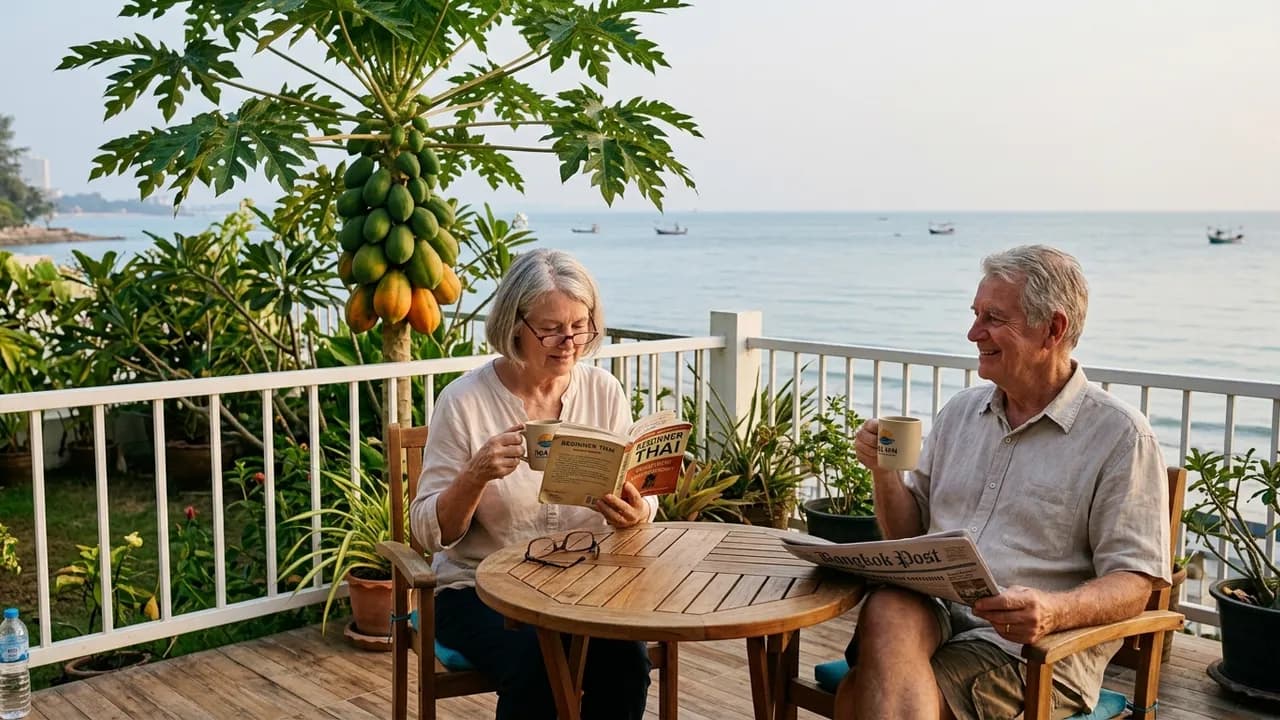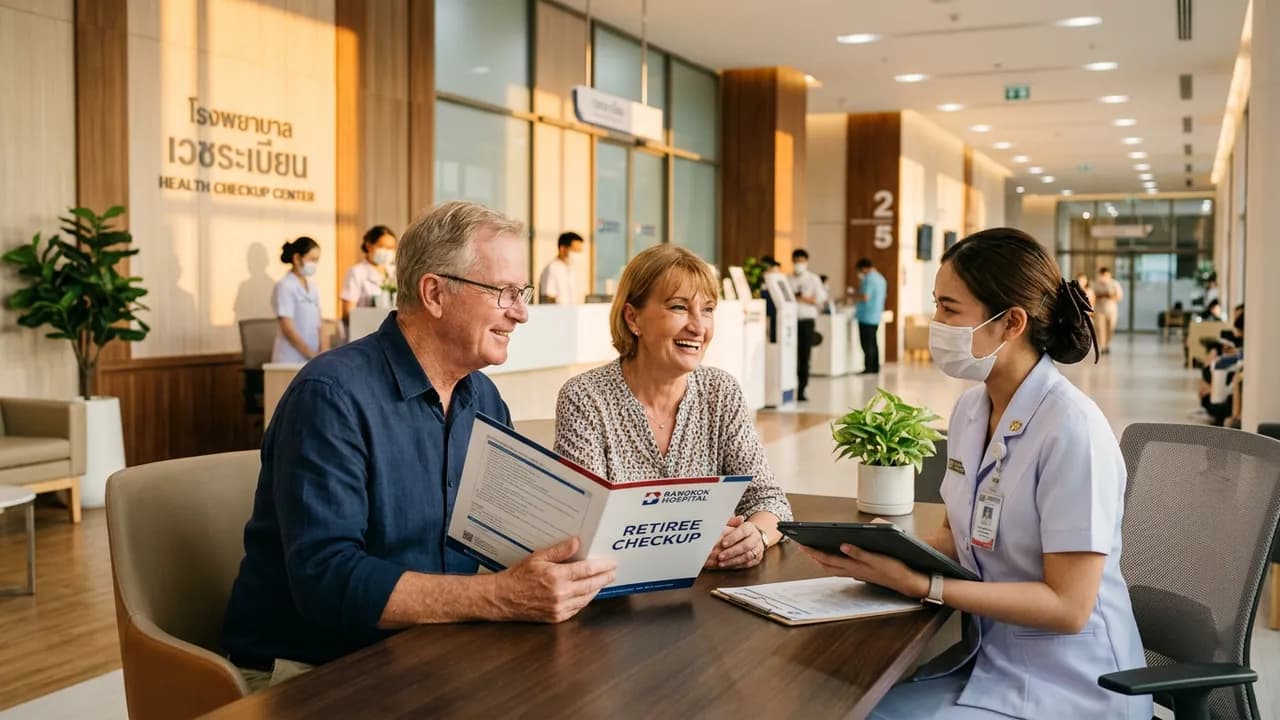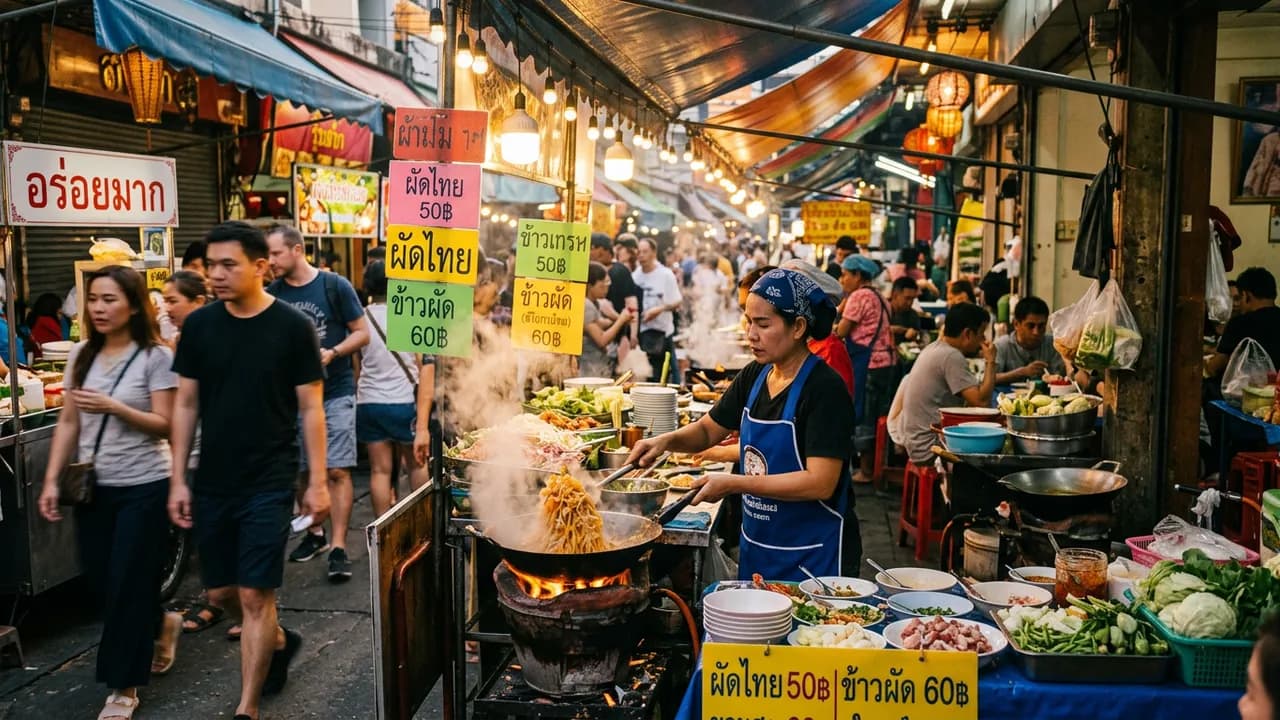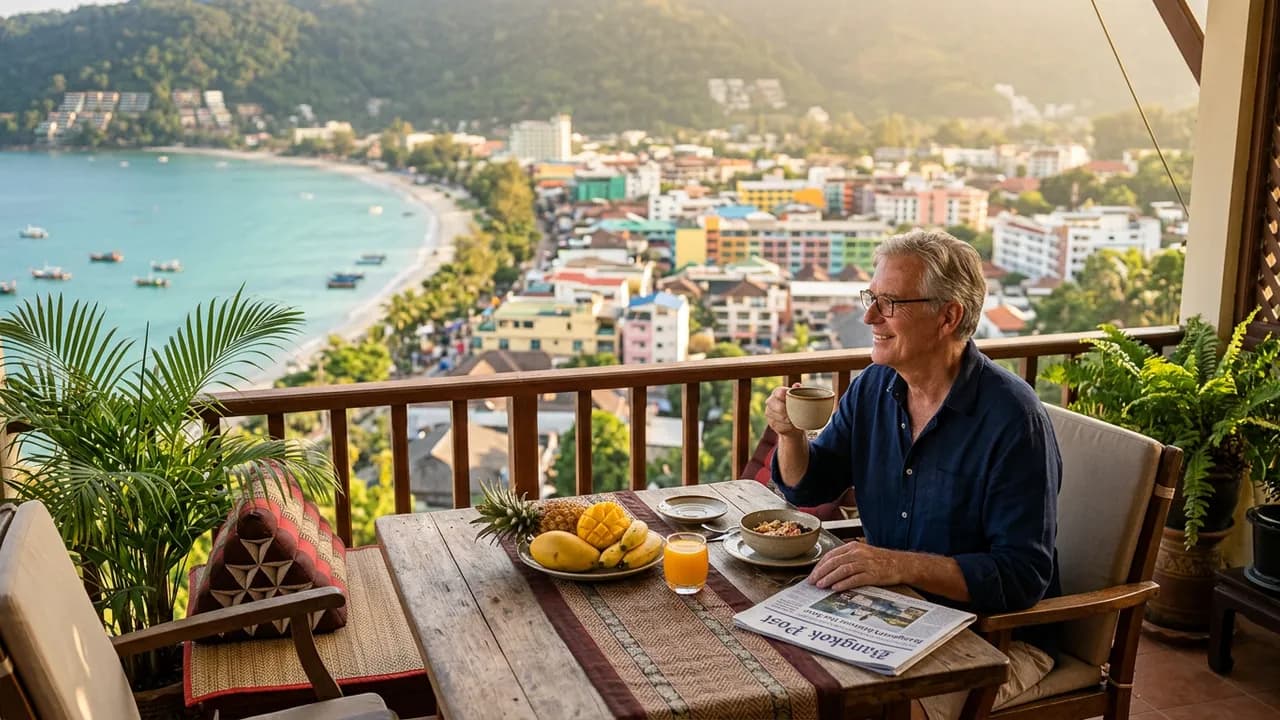
The cost of retirement in Thailand keeps the country among the most affordable retirement destinations in the world, though the days of living well on $500 per month are long gone. Costs have risen steadily, the baht has fluctuated, and retiree expectations have evolved. This guide provides an honest, detailed breakdown of what retirement actually costs in Thailand in 2026, organized by city and lifestyle level, so you can plan with realistic numbers. For the broader overview of moving abroad as a retiree, see our retire in Thailand guide.
Quick Facts
| Detail | Information |
|---|---|
| Average monthly cost (modest lifestyle) | 30,000–45,000 THB ($850–$1,300 USD) |
| Average monthly cost (comfortable lifestyle) | 50,000–80,000 THB ($1,400–$2,300 USD) |
| Average monthly cost (premium lifestyle) | 100,000–200,000+ THB ($2,900–$5,700+ USD) |
| Cheapest major city | Chiang Mai |
| Most expensive area | Phuket (tourist zones) |
| Healthcare savings vs. Western countries | 50–80% lower for equivalent care |
| Currency | Thai Baht (THB); approximately 35 THB = $1 USD (fluctuates) |
| Retirement visa financial requirement | 800,000 THB in Thai bank or 65,000 THB monthly income |
Budget Categories Explained
Before diving into city-specific numbers, here is how the three lifestyle tiers are defined throughout this guide:
Modest: Studio or small one-bedroom condo, eating mostly local food, using public transport, limited dining out, basic healthcare coverage. This is comfortable by local standards but requires compromise for most Westerners.
Comfortable: One or two-bedroom condo in a good area, mix of local and Western food, motorbike or occasional taxis, regular dining out, comprehensive health insurance, some travel and entertainment. This is how most long-term retirees actually live.
Premium: Large condo or rented house, imported foods, private vehicle, international hospital care, frequent dining out, club memberships, regular domestic and international travel. This matches an upper-middle-class Western lifestyle.
Monthly Cost Breakdown by City
Bangkok
Thailand's capital is the most expensive city in the country, but also offers the widest range of options at every price point.
| Category | Modest | Comfortable | Premium |
|---|---|---|---|
| Accommodation | 8,000–12,000 | 15,000–30,000 | 40,000–80,000 |
| Food | 6,000–9,000 | 12,000–18,000 | 25,000–40,000 |
| Healthcare/Insurance | 2,000–5,000 | 5,000–15,000 | 15,000–40,000 |
| Transport | 2,000–3,000 | 4,000–8,000 | 10,000–20,000 |
| Utilities (electric, water, internet) | 2,000–3,500 | 3,500–5,000 | 5,000–8,000 |
| Leisure/Entertainment | 2,000–4,000 | 5,000–10,000 | 15,000–30,000 |
| Phone | 300–700 | 700–1,200 | 1,200–2,000 |
| Miscellaneous | 2,000–3,000 | 3,000–5,000 | 5,000–10,000 |
| Total | 24,300–40,200 | 48,200–92,200 | 116,200–230,000 |
Bangkok notes: The BTS/MRT system keeps transport costs down if you live near a station. Accommodation prices vary enormously by neighborhood — Sukhumvit near BTS stations commands premium rents, while areas like Rama 9, Bangna, or Phra Khanong offer better value. Street food remains affordable at 40–80 THB per meal.
Chiang Mai
The most popular retirement city in Thailand for budget-conscious retirees. Chiang Mai consistently offers the lowest costs among major expat destinations.
| Category | Modest | Comfortable | Premium |
|---|---|---|---|
| Accommodation | 5,000–8,000 | 10,000–20,000 | 25,000–50,000 |
| Food | 5,000–7,000 | 9,000–14,000 | 18,000–30,000 |
| Healthcare/Insurance | 2,000–4,000 | 4,000–12,000 | 12,000–35,000 |
| Transport | 1,500–2,500 | 3,000–5,000 | 6,000–12,000 |
| Utilities | 1,500–2,500 | 2,500–4,000 | 4,000–6,000 |
| Leisure/Entertainment | 1,500–3,000 | 4,000–8,000 | 10,000–20,000 |
| Phone | 300–700 | 700–1,200 | 1,200–2,000 |
| Miscellaneous | 1,500–2,500 | 2,500–4,000 | 4,000–8,000 |
| Total | 18,300–30,200 | 35,700–68,200 | 80,200–163,000 |
Chiang Mai notes: Accommodation is significantly cheaper than Bangkok. A decent one-bedroom condo in the Nimman area rents for 10,000–15,000 THB. The Old City and surrounding areas are even cheaper. The main trade-off is fewer international-standard hospitals (though Chiang Mai Ram and Sriphat are well-regarded) and the annual burning season (February–April) that creates severe air quality problems.
Phuket
Thailand's largest island commands premium prices, especially in tourist zones. However, living away from the beaches can be surprisingly affordable.
| Category | Modest | Comfortable | Premium |
|---|---|---|---|
| Accommodation | 8,000–15,000 | 18,000–35,000 | 45,000–100,000 |
| Food | 6,000–9,000 | 12,000–20,000 | 25,000–45,000 |
| Healthcare/Insurance | 2,000–5,000 | 5,000–15,000 | 15,000–40,000 |
| Transport | 3,000–5,000 | 5,000–10,000 | 10,000–20,000 |
| Utilities | 2,000–3,500 | 3,500–5,500 | 5,500–9,000 |
| Leisure/Entertainment | 2,000–4,000 | 6,000–12,000 | 15,000–35,000 |
| Phone | 300–700 | 700–1,200 | 1,200–2,000 |
| Miscellaneous | 2,000–3,000 | 3,000–5,000 | 5,000–10,000 |
| Total | 25,300–45,200 | 53,200–103,700 | 121,700–261,000 |
Phuket notes: Transport costs are higher because Phuket has no mass transit system. You will need a motorbike or car. Phuket Town and the central/northern parts of the island are significantly cheaper than Patong, Kata, Karon, and the west coast beach areas. Bangkok Hospital Phuket and Siriroj Hospital provide quality healthcare.
Hua Hin
A quieter, more traditional retirement destination popular with Scandinavian and European retirees. Located 200 km south of Bangkok on the Gulf coast.
| Category | Modest | Comfortable | Premium |
|---|---|---|---|
| Accommodation | 6,000–10,000 | 12,000–25,000 | 30,000–60,000 |
| Food | 5,000–8,000 | 10,000–16,000 | 20,000–35,000 |
| Healthcare/Insurance | 2,000–4,000 | 4,000–12,000 | 12,000–35,000 |
| Transport | 2,000–3,000 | 3,000–6,000 | 6,000–15,000 |
| Utilities | 1,500–2,500 | 2,500–4,000 | 4,000–7,000 |
| Leisure/Entertainment | 1,500–3,000 | 4,000–8,000 | 10,000–25,000 |
| Phone | 300–700 | 700–1,200 | 1,200–2,000 |
| Miscellaneous | 1,500–2,500 | 2,500–4,000 | 4,000–8,000 |
| Total | 19,800–33,700 | 38,700–76,200 | 87,200–187,000 |
Hua Hin notes: The town offers a good balance of affordability and comfort. Golf courses, beaches, night markets, and a large expat community make it a lifestyle-oriented destination. San Paulo Hua Hin Hospital and Bangkok Hospital Hua Hin handle most medical needs. The proximity to Bangkok (3 hours by car or van) is a major advantage.
Pattaya
Thailand's most polarizing retirement destination. Pattaya offers exceptional value for money and a massive expat infrastructure, but the nightlife reputation is not for everyone.
| Category | Modest | Comfortable | Premium |
|---|---|---|---|
| Accommodation | 5,000–10,000 | 12,000–25,000 | 30,000–70,000 |
| Food | 5,000–8,000 | 10,000–16,000 | 20,000–35,000 |
| Healthcare/Insurance | 2,000–4,000 | 4,000–12,000 | 12,000–35,000 |
| Transport | 1,500–3,000 | 3,000–6,000 | 6,000–15,000 |
| Utilities | 1,500–2,500 | 2,500–4,000 | 4,000–7,000 |
| Leisure/Entertainment | 2,000–5,000 | 5,000–12,000 | 12,000–30,000 |
| Phone | 300–700 | 700–1,200 | 1,200–2,000 |
| Miscellaneous | 1,500–2,500 | 2,500–4,000 | 4,000–8,000 |
| Total | 18,800–35,700 | 39,700–80,200 | 89,200–202,000 |
Pattaya notes: Some of the cheapest condos in Thailand are in Pattaya — you can rent a studio in Jomtien for 5,000–7,000 THB. The city has multiple international hospitals (Bangkok Hospital Pattaya, Pattaya Memorial), extensive Western food options, and a well-organized expat community. Jomtien, Pratumnak, and Na Jomtien are the quieter, more residential areas preferred by retirees.
Detailed Cost Analysis by Category
Accommodation
Accommodation is typically the largest monthly expense and the one with the widest variation.
| Type | Monthly Rent Range |
|---|---|
| Studio condo (basic area) | 4,000–8,000 THB |
| 1-bedroom condo (good area) | 8,000–20,000 THB |
| 2-bedroom condo (good area) | 15,000–35,000 THB |
| House rental (2–3 bedrooms) | 12,000–40,000 THB |
| Serviced apartment | 20,000–60,000 THB |
| Pool villa | 30,000–100,000+ THB |
Long-term leases (6–12 months) command lower monthly rates than month-to-month rentals. Negotiation is expected and can reduce prices by 10–20%.
Food
Thailand's food costs are one of its greatest advantages for retirees.
| Meal Type | Cost |
|---|---|
| Street food meal | 40–80 THB |
| Local restaurant meal | 60–150 THB |
| Mid-range restaurant (Thai food) | 150–300 THB |
| Western restaurant meal | 200–500 THB |
| Fine dining | 1,000–3,000+ THB |
| Coffee (local shop) | 30–60 THB |
| Coffee (Western chain) | 80–150 THB |
| Beer (local, restaurant) | 60–100 THB |
| Beer (imported, restaurant) | 120–200 THB |
| Groceries (weekly, Thai products) | 1,000–2,000 THB |
| Groceries (weekly, imported Western products) | 2,500–5,000 THB |
Retirees who eat primarily Thai food can spend 5,000–8,000 THB per month on meals. Those who prefer Western food, imported products, and restaurant dining should budget 15,000–25,000 THB.
Healthcare
Healthcare costs deserve special attention because they are often the primary reason people consider retiring in Thailand.
| Service | Thailand Cost | US/UK Equivalent |
|---|---|---|
| GP consultation | 500–1,000 THB | $150–$300 |
| Specialist consultation | 800–2,000 THB | $250–$500 |
| Basic blood panel | 1,000–3,000 THB | $200–$1,000 |
| Dental cleaning | 600–1,200 THB | $100–$300 |
| Dental crown | 5,000–15,000 THB | $800–$3,000 |
| MRI scan | 8,000–15,000 THB | $1,000–$5,000 |
| Cataract surgery | 30,000–60,000 THB | $3,500–$7,000 |
| Hip replacement | 300,000–500,000 THB | $30,000–$70,000 |
Health insurance is a significant and growing expense for retirees. Premiums increase with age:
| Age Group | Annual Premium (Inpatient) | Annual Premium (Comprehensive) |
|---|---|---|
| 50–55 | 20,000–40,000 THB | 35,000–70,000 THB |
| 56–60 | 30,000–55,000 THB | 50,000–100,000 THB |
| 61–65 | 45,000–80,000 THB | 75,000–150,000 THB |
| 66–70 | 60,000–120,000 THB | 100,000–200,000 THB |
| 71–75 | 80,000–180,000 THB | 150,000–350,000 THB |
| 75+ | 120,000–300,000+ THB | Difficult to obtain new policies |
Many retirees self-insure for routine care and carry insurance only for major hospitalizations. This can reduce annual costs significantly but requires maintaining a financial cushion.
Transport
| Mode | Cost |
|---|---|
| Motorbike rental | 2,500–4,000 THB/month |
| Motorbike purchase (used Honda Click) | 25,000–40,000 THB |
| Car rental | 12,000–25,000 THB/month |
| Grab/Bolt taxi (short trip) | 50–150 THB |
| Grab/Bolt taxi (cross-city Bangkok) | 200–400 THB |
| BTS/MRT single trip (Bangkok) | 17–62 THB |
| Songthaew (shared truck taxi) | 10–30 THB |
| Domestic flight (e.g., Bangkok–Chiang Mai) | 1,000–3,000 THB |
Most retirees outside Bangkok use a motorbike or car. In Bangkok, the BTS/MRT system combined with Grab ride-hailing covers most needs without a private vehicle.
Comparison with Western Countries
To put Thailand's costs in perspective, here is how a comfortable retirement compares:
| Expense (Monthly) | Thailand | United States | United Kingdom | Australia |
|---|---|---|---|---|
| Total budget | $1,400–$2,300 | $3,500–$6,000 | $2,800–$5,000 | $3,200–$5,500 |
| Accommodation | $430–$860 | $1,200–$2,500 | $800–$2,000 | $1,000–$2,200 |
| Healthcare | $140–$430 | $500–$1,500 | NHS (free/low) | $200–$600 |
| Food | $340–$510 | $600–$1,200 | $500–$1,000 | $500–$1,000 |
| Savings vs. US | 50–65% less | Baseline | 20–30% less | 10–20% less |
These figures assume comparable lifestyle quality. Thailand's cost advantage is most pronounced in accommodation, healthcare, and food.
Currency and Financial Considerations
Exchange Rate Risk
Your retirement budget in Thailand is directly affected by the exchange rate between your home currency and the Thai baht. A 10% swing in the exchange rate changes your purchasing power by 10%.
| Scenario | Impact |
|---|---|
| Your home currency strengthens | Your THB budget increases — life gets cheaper |
| Your home currency weakens | Your THB budget decreases — life gets more expensive |
| THB/USD rate (recent range) | 33–37 THB per USD |
Strategies to Manage Currency Risk
- Transfer in bulk when rates are favorable rather than small monthly transfers
- Maintain reserves in both currencies
- Use services like Wise (TransferWise) for lower transfer fees (typically 0.5–1% vs. bank rates of 2–4%)
- Avoid airport exchange counters — rates are consistently the worst
Inflation in Thailand
Thailand's inflation has been moderate but consistent, averaging 1–3% annually. Retirees should budget for costs increasing over time, particularly in healthcare and imported goods. A budget that works in 2026 will need to be 15–20% higher by 2036.
The 800,000 THB Bank Deposit
Retirement visa holders must maintain 800,000 THB in a Thai bank account (or demonstrate 65,000 THB monthly income, or a combination). This money is not entirely locked — after the initial deposit period, you can draw it down for living expenses but must maintain the required balance at the time of visa renewal. See our Retirement Visa Financial Requirements guide for details.
Hidden and Overlooked Costs
Budget for these expenses that retirees frequently underestimate:
| Expense | Annual Cost |
|---|---|
| Visa extension fees | 1,900 THB per year |
| 90-day reporting | Free but costs time/transport |
| Annual health check | 3,000–10,000 THB |
| Trips home | 25,000–60,000 THB per trip (flights) |
| Visa agent fees (if used) | 5,000–15,000 THB per year |
| Home country obligations (tax, property, etc.) | Varies widely |
| Emergency fund | Recommended 200,000–500,000 THB accessible |
| Dental work | 5,000–30,000 THB per year |
| Glasses/contacts | 2,000–10,000 THB per year |
| Household items and replacements | 2,000–5,000 THB per month |
Frequently Asked Questions
Can I retire in Thailand on $1,000 per month?
At 35 THB/USD, $1,000 equals approximately 35,000 THB. This is possible in Chiang Mai or Pattaya with a modest lifestyle — basic condo, local food, minimal dining out, self-pay healthcare. It is tight but doable if you are disciplined. In Bangkok or Phuket, $1,000 per month is difficult without significant compromises.
Is Thailand getting more expensive?
Yes, gradually. Costs have risen 30–50% over the past decade in most categories. Thailand is still far cheaper than Western countries, but the gap has narrowed. The biggest increases have been in accommodation (especially in popular areas), health insurance premiums, and imported goods.
Do I need health insurance?
Thailand now requires proof of health insurance for retirement visa extensions at some immigration offices (enforcement varies). Beyond the requirement, insurance is strongly recommended. A single hospital stay can cost 100,000–500,000 THB or more. Self-insuring works only if you have substantial savings.
What is the cheapest place to retire in Thailand?
Among popular expat destinations, Chiang Mai and Pattaya (Jomtien area) offer the lowest overall costs. Smaller cities like Udon Thani, Khon Kaen, or Nakhon Ratchasima are even cheaper but have fewer expat amenities and limited English-speaking services.
Should I buy or rent property?
Foreigners cannot own land in Thailand but can own condominium units (within the 49% foreign ownership quota per building). Renting is generally recommended for the first 1–2 years while you determine where and how you want to live. Buying makes sense if you are committed to a specific location long-term.
How much should I save before retiring to Thailand?
Beyond the 800,000 THB visa requirement, financial advisors familiar with Thailand recommend having access to at least 2–3 years of living expenses plus an emergency fund. For a comfortable lifestyle, this means approximately 2–3 million THB ($57,000–$86,000 USD) in accessible savings, plus ongoing income from pensions, investments, or other sources.
Summary
Retiring in Thailand offers genuine cost savings of 50–65% compared to Western countries, with the greatest advantages in accommodation, healthcare, and food. A comfortable retirement in most Thai cities costs 50,000–80,000 THB ($1,400–$2,300 USD) per month. Chiang Mai and Pattaya are the most affordable popular destinations, while Phuket commands the highest premiums. The keys to budgeting accurately are accounting for health insurance (which rises steeply with age), currency fluctuation risk, gradual inflation, and the occasional trip home. Thailand remains an excellent retirement destination in 2026, but it rewards those who plan with realistic numbers rather than outdated assumptions about ultra-cheap living.