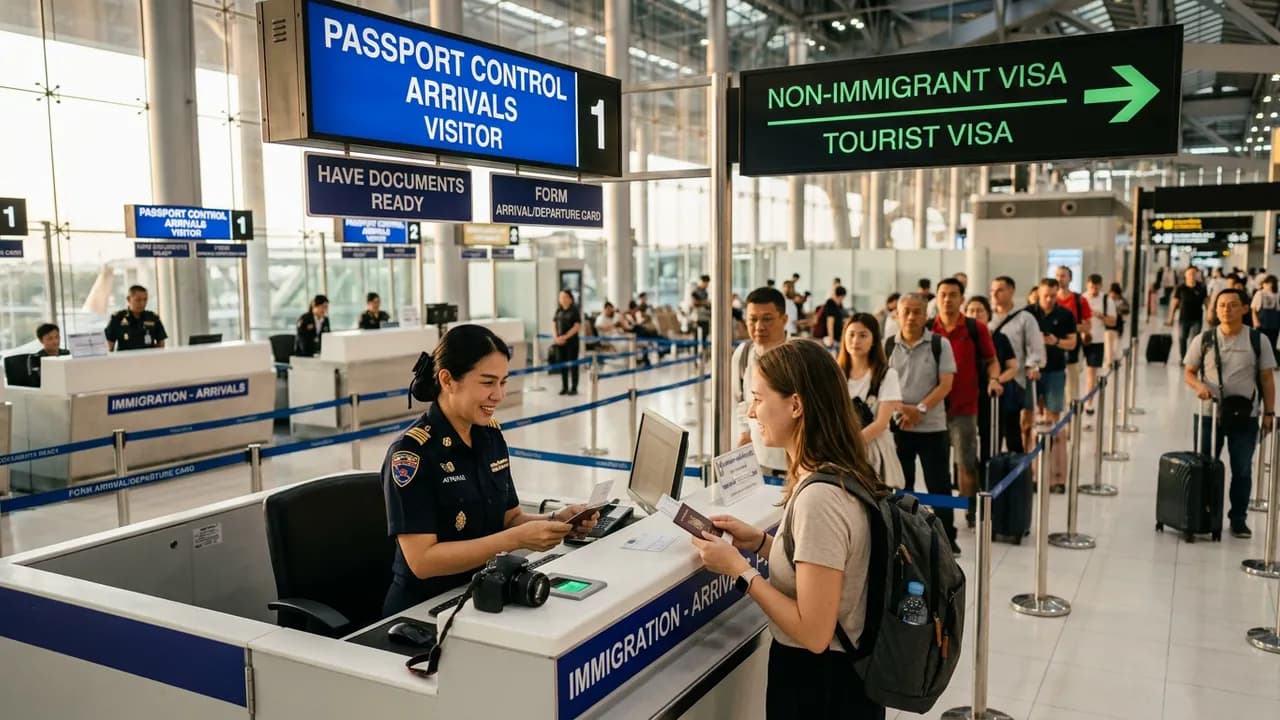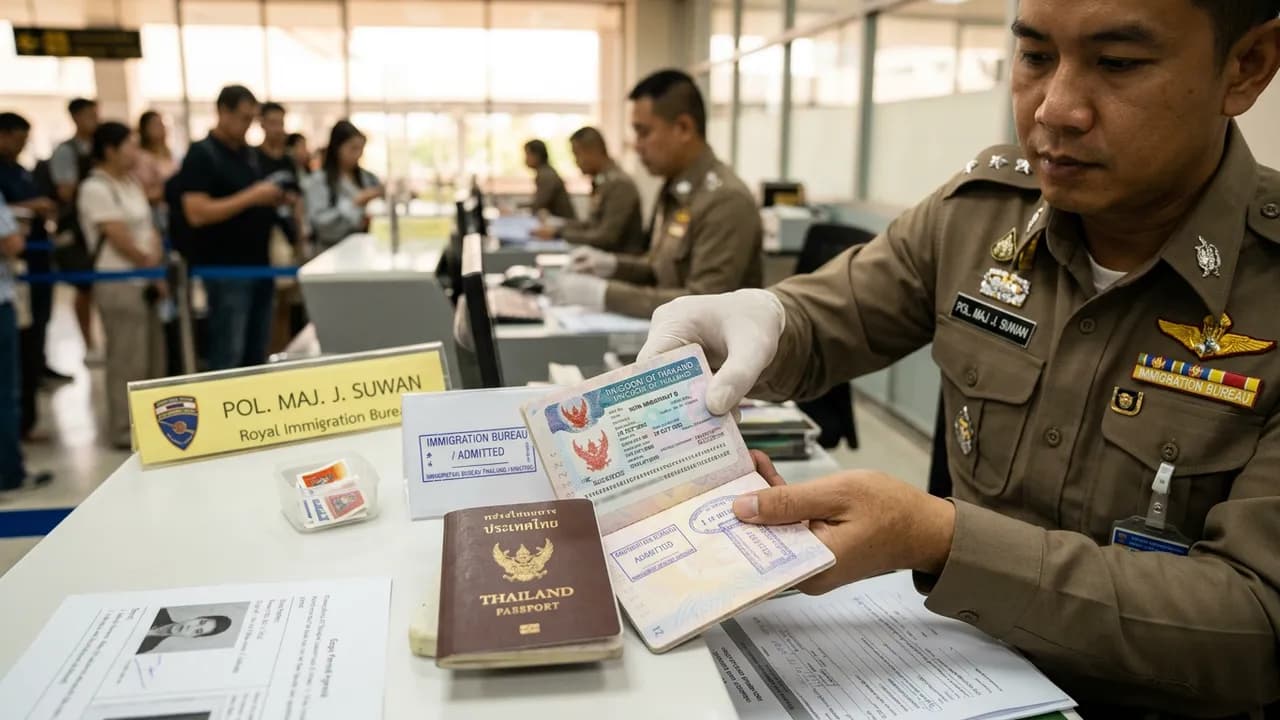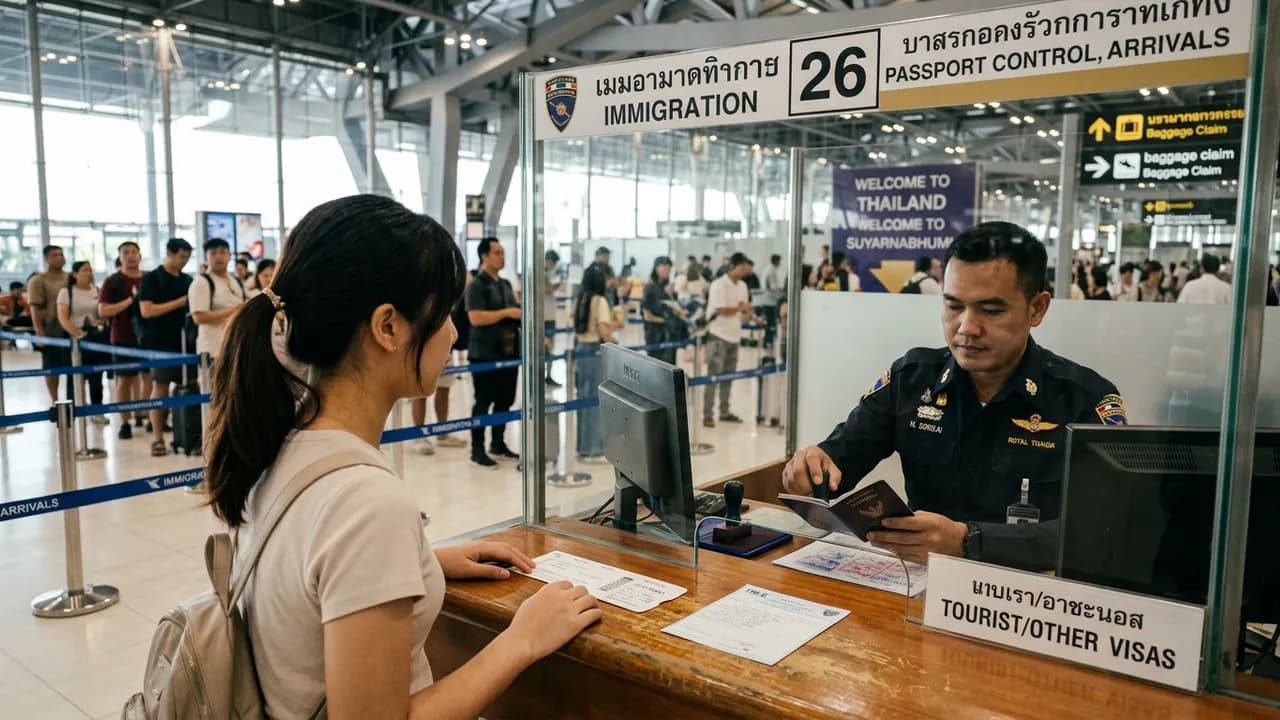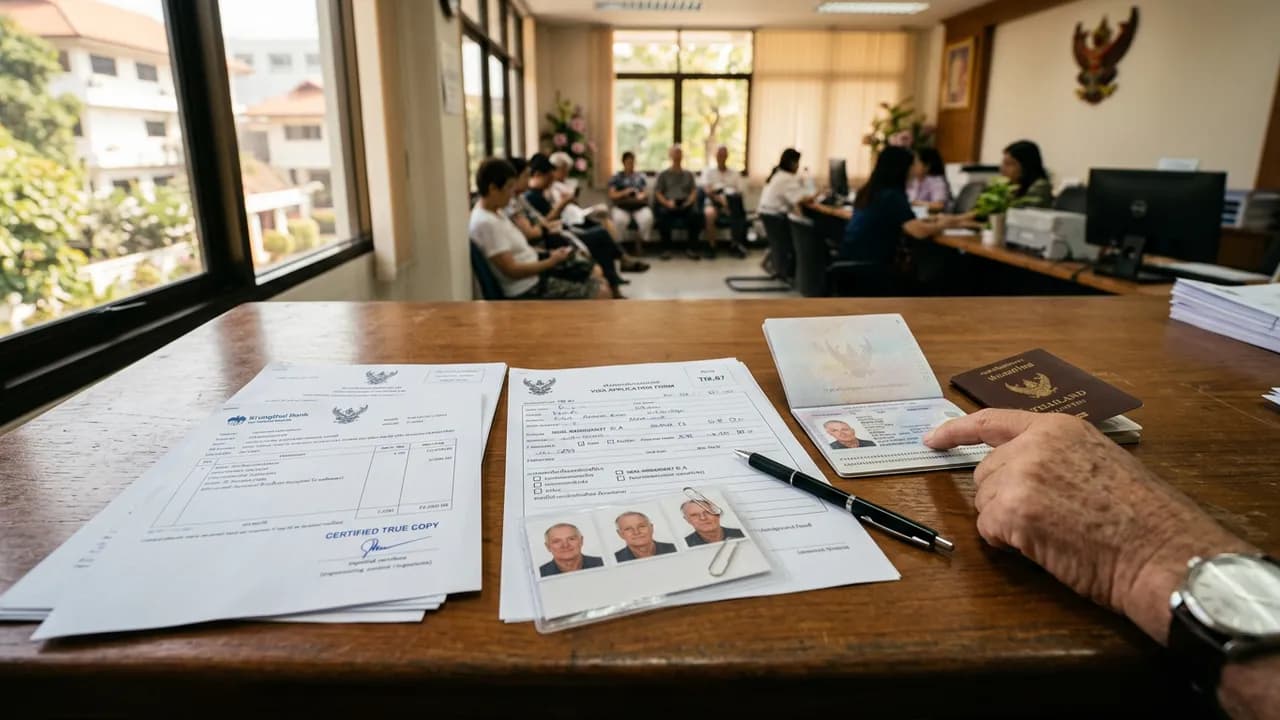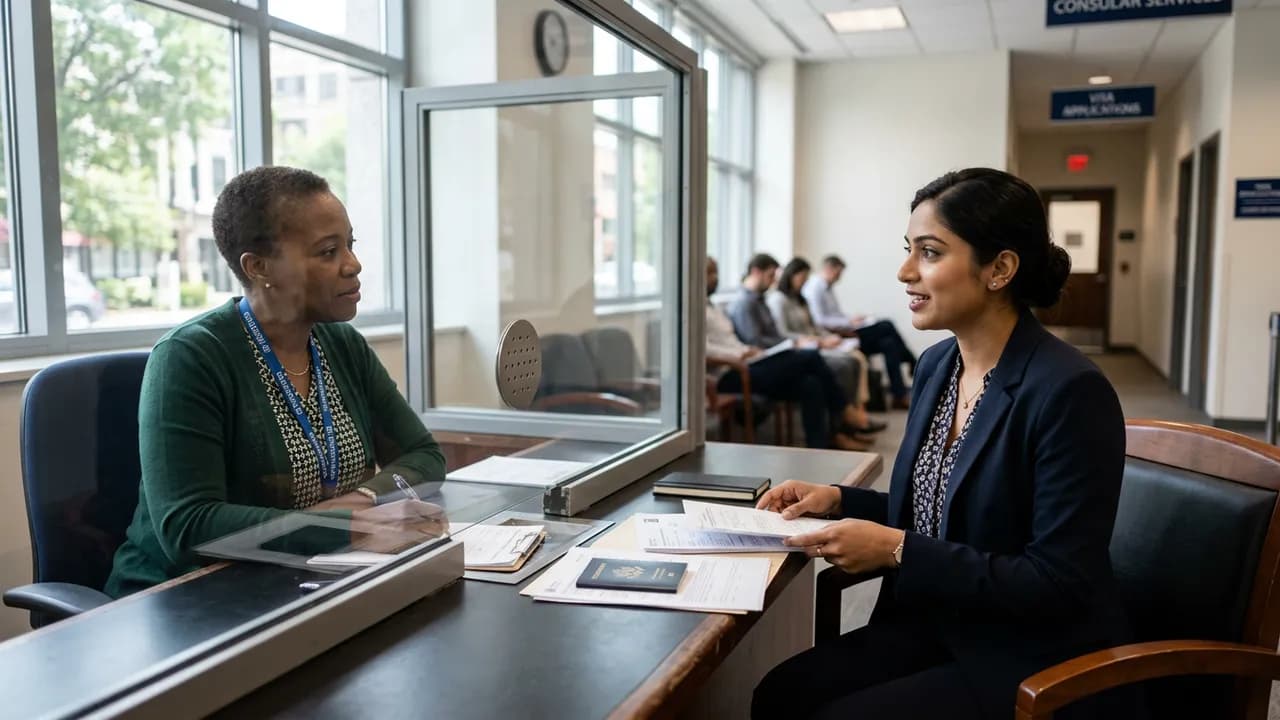
Thailand visa interview tips matter most when applying in person, because the process can feel stressful, especially if it is your first time. Some Thai embassies and consulates conduct brief interviews as part of the application process, while others simply review your documents at the counter. Either way, being prepared for questions and having your paperwork in order dramatically increases your chances of a smooth approval.
This guide covers what to expect during the visa application process at Thai embassies and consulates worldwide, including how to handle interview questions for different visa types.
Do All Thai Visa Applications Require an Interview?
Not all Thai embassies conduct formal interviews. The process varies by location, visa type, and the consular officer's discretion.
Quick Facts
| Factor | Details |
|---|---|
| Formal sit-down interviews | Rare for tourist visas, more common for long-stay visas |
| Counter questions | Common at most embassies during document submission |
| Phone interviews | Occasionally used by some consulates for follow-up |
| Interview language | English is widely accepted; local language may be used |
| Average interaction time | 5 to 15 minutes at the counter |
When Interviews Are More Likely
- Non-Immigrant B (Business/Work) visas — officers may ask about your employer and job role
- Non-Immigrant O visas for retirement — questions about financial means and living plans
- Non-Immigrant O visas for marriage/family — questions about your Thai spouse or family
- Multiple-entry tourist visas — if your travel history suggests extended stays
- Applicants from countries with higher overstay rates — additional scrutiny is possible
What to Wear
Thai culture places significant importance on appearance and respect for authority. Dressing appropriately for your embassy visit signals that you take the process seriously.
Recommended Dress Code
- Business casual is the safest choice for all visa types
- Collared shirts, blouses, or smart tops
- Long trousers or a knee-length skirt
- Closed-toe shoes
- Neat and clean appearance overall
What to Avoid
- Flip-flops, tank tops, or beachwear
- Overly casual clothing such as gym shorts or ripped jeans
- Sunglasses worn indoors
- Hats or caps (remove them inside the embassy)
While dress code alone will not determine your application outcome, consular staff deal with hundreds of applicants and first impressions matter.
Documents to Have Ready
Regardless of whether a formal interview takes place, you should have every document organized and accessible. Fumbling through papers creates a poor impression and slows the process.
Essential Documents for All Visa Types
| Document | Notes |
|---|---|
| Passport (original + copy) | At least 6 months validity, 2+ blank pages |
| Completed application form | Filled out neatly, no blank required fields |
| Passport-sized photos | Taken within the last 6 months, meeting Thai specs |
| Proof of travel | Flight itinerary or booking confirmation |
| Proof of accommodation | Hotel booking or invitation letter from host |
| Financial proof | Bank statements from the last 3 to 6 months |
| Visa fee | Exact amount in the accepted payment method |
Additional Documents by Visa Type
Tourist Visa (TR):
- Return flight ticket or onward travel itinerary
- Employment letter or proof of ties to home country
- Travel insurance (recommended, required in some consulates)
Non-Immigrant B (Business):
- Invitation letter from the Thai company
- Company registration documents from the Thai business
- Employment contract or letter of assignment
- Your current employer's letter confirming the business purpose
Non-Immigrant O-A (Retirement):
- Proof of pension or retirement income
- Bank statements showing 800,000 THB or equivalent
- Medical certificate
- Criminal background check from your home country
- Health insurance meeting Thai requirements
Common Interview Questions
Consular officers ask questions to verify that your stated purpose of travel is genuine and that you intend to return home. Answers should be honest, concise, and consistent with your documents.
General Questions (All Visa Types)
- Why do you want to visit Thailand? — State your purpose clearly. Tourism, business meeting, visiting family, or retiring.
- How long do you plan to stay? — Give a specific timeframe that matches your application.
- Where will you stay in Thailand? — Name the city and hotel, or your host's address.
- Have you visited Thailand before? — Be honest. If you have previous stamps, they already know.
- What do you do for a living? — Briefly describe your job or retirement status.
- How will you fund your trip? — Reference your bank statements or income source.
- Do you have a return ticket? — Confirm you have proof of onward travel.
Questions for Tourist Visa Applicants
- What places do you plan to visit in Thailand?
- Are you traveling alone or with companions?
- Why do you need more than 60 days if visa exemption is available?
- Do you have ties to your home country (job, property, family) that ensure your return?
Questions for Business Visa Applicants
- What is the name of the Thai company you will work with?
- What is your role and what will you be doing in Thailand?
- How long is the business engagement?
- Will you receive salary from a Thai entity?
- Do you already have a work permit, or will you apply for one?
Questions for Retirement Visa Applicants
- Do you have health insurance that covers you in Thailand?
- Where in Thailand do you plan to live?
- Do you have family in Thailand?
- How do you plan to support yourself financially?
- Have you lived in Thailand before?
How to Answer Effectively
The key principles for answering any consular question are straightforward.
Do
- Be honest. Inconsistencies between your answers and documents raise red flags.
- Be concise. Answer the question directly without over-explaining.
- Be calm and polite. Treat the interaction as a professional conversation.
- Reference your documents. If asked about finances, point to the bank statement you submitted.
- Show ties to your home country. Employment, property, family, and return tickets all help.
Do Not
- Volunteer unnecessary information. Answer what is asked, not more.
- Get defensive or argumentative. Even if the questions feel intrusive, stay composed.
- Lie about your travel history. Embassies share data and have access to your passport stamps.
- Mention working in Thailand on a tourist visa. This is illegal and will result in refusal.
- Badmouth the process. Complaining about requirements does not help your case.
Tips by Applicant Type
First-Time Tourists
Your biggest advantage is simplicity. You want to visit Thailand for a holiday, you have money, and you have a return ticket. Keep it straightforward. Bring printed copies of your hotel booking and flight itinerary. If you are young with limited travel history, having a letter from your employer confirming your job and leave dates can strengthen your application.
Business Travelers
The invitation letter from the Thai company is your most important document. Make sure it is on company letterhead, includes your name and passport number, explains the nature of the business activity, and states the dates of your visit. Be prepared to explain the relationship between your employer and the Thai company. If your company has a legal department, ask them to review the letter before submission.
Retirement Applicants
Financial stability is the primary concern for consular officers reviewing retirement applications. Have clear documentation showing financial proof of a monthly pension or income equivalent to at least 65,000 THB per month, or a lump sum of 800,000 THB in a Thai bank account. Bring your medical certificate and criminal background check, both of which should be recently issued. If you have Thai health insurance, bring the policy document — it demonstrates long-term planning.
What Happens If Your Visa Is Denied
A visa refusal is disappointing but not necessarily permanent. Common reasons for denial include:
- Insufficient financial proof
- Incomplete documentation
- Inconsistent answers during the interview
- Suspected intent to work illegally on a tourist visa
- Previous overstays or immigration violations in Thailand or other countries
After a Denial
- Ask for the reason. Some embassies provide a written explanation; others do not.
- Address the specific issue. If finances were the problem, obtain stronger bank statements.
- Wait the appropriate period. Some embassies ask you to wait 30 days before reapplying.
- Reapply with improved documents. A denial does not permanently bar you from obtaining a Thai visa.
- Consider applying at a different consulate. Processing standards can vary by location, though your refusal history is shared.
Embassy Visit Checklist
Use this checklist before your appointment:
- Application form completed and signed
- Passport with 6+ months validity and blank pages
- Two recent passport photos meeting specifications
- All supporting documents photocopied
- Financial documents (bank statements, income proof)
- Flight itinerary and accommodation proof
- Visa fee in the correct currency and amount
- Dressed in business casual attire
- Arrived early (at least 15 minutes before appointment)
- Phone on silent, patient attitude ready
Final Thoughts
Most Thai visa interviews are brief and routine. The consular officer wants to confirm that you match your application, that your documents are genuine, and that you have a clear plan for your time in Thailand. Preparation is the single most effective way to ensure a positive outcome. Organize your documents, practice straightforward answers to the common questions listed above, and approach the process with respect and confidence.
If you are well prepared, the interview is simply a conversation — not an interrogation.