Property and other assets can help you qualify for Thailand's Long-Term Resident (LTR) visa, but the visa does not grant you the right to own land or change Thailand's foreign-ownership rules. The assets count toward the financial test, nothing more. If you hold around USD 1,000,000 in assets and meet the income condition, you can apply through the Wealthy Global Citizen category for a 10-year visa with a one-time government fee of 50,000 THB.
That is the short version. The detail matters, because the asset figure, the income figure, and the investment figure are three separate conditions that people routinely confuse.
What the LTR visa actually is
The LTR is a 10-year visa issued as two consecutive five-year stamps, administered by the Board of Investment (BOI) rather than ordinary immigration. It launched in September 2022 and the financial criteria were relaxed in January 2025. The official government fee is 50,000 THB and it covers the full 10 years.
There are four eligibility categories:
- Wealthy Global Citizen
- Wealthy Pensioner
- Work-from-Thailand Professional
- Highly-Skilled Professional
Property buyers and high-net-worth applicants almost always apply through the Wealthy Global Citizen track, which is the one built around assets and investment rather than employment or pension income.
For a full breakdown of the other tracks and the document checklist, see our LTR visa complete guide and the dedicated LTR cost and requirements page.
The Wealthy Global Citizen financial test
This is where property comes in. The Wealthy Global Citizen category has three stacked conditions, and you need all three:
- Assets of at least USD 1,000,000. This is where real estate counts. Your declared assets can include property you own, alongside bank deposits, securities, and other holdings.
- Personal income of at least USD 80,000 per year over the past two years.
- An investment of at least USD 500,000 in Thai government bonds, foreign direct investment, or Thai property.
So property appears twice in the structure: once as part of the USD 1M asset pool, and again as one of the permitted vehicles for the USD 500,000 investment requirement. Buying a qualifying Thai condominium can satisfy the investment leg directly.
Immigration rules change — verify current requirements with official sources before you commit funds, because the BOI updates accepted investment instruments periodically.
The point people get wrong
The LTR visa does not give foreigners any new property rights. Thailand still bars foreigners from owning land outright. Foreigners can own condominium units (within the building's 49% foreign-ownership quota) and can hold long leasehold interests, and those holdings can count toward your LTR financials. But the visa is a residency instrument, not a property workaround. Anyone telling you the LTR "lets you buy land" is selling you a story.
How property valuation works in practice
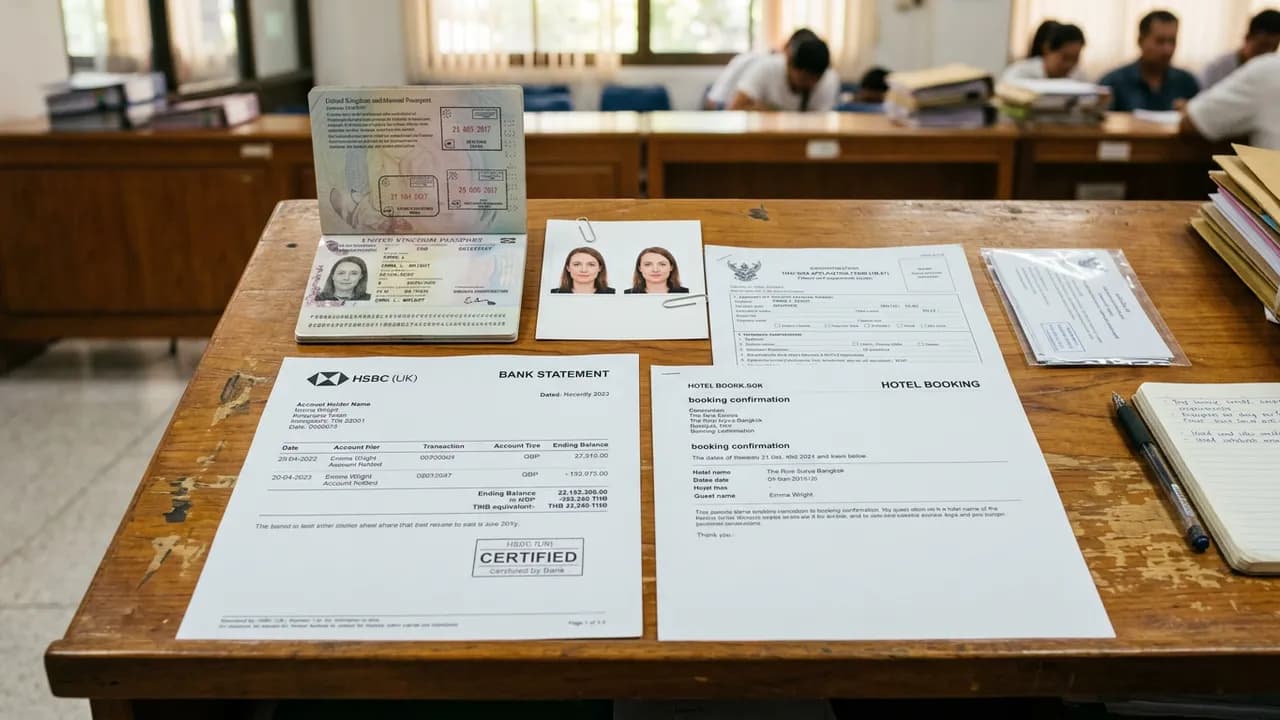
When you declare property toward the USD 1M asset figure, the BOI expects documentation that supports the value: title deeds, a sale-and-purchase agreement, or a recent valuation. Self-reported numbers without backing tend to get questioned.
| Requirement | Amount | Can property satisfy it? |
|---|---|---|
| Total assets | USD 1,000,000 | Yes — property counts toward the pool |
| Annual income | USD 80,000/yr (last 2 yrs) | No — must be income |
| Qualifying investment | USD 500,000 | Yes — Thai property is an accepted vehicle |
The income condition is the one property cannot cover. You can be sitting on a USD 2,000,000 villa and still fail if you cannot show USD 80,000 a year in income across the prior two years. This trips up retired or asset-rich-but-low-income applicants, who are often better routed to the Wealthy Pensioner track or to the Thailand Privilege Card instead.
Wealthy Global Citizen vs Wealthy Pensioner
If your wealth is in property and savings rather than salary, the Pensioner track can be the cleaner fit. Pensioners can qualify on USD 80,000 a year in pension income, or on a lower income figure combined with an investment. The asset and investment thresholds differ from the Global Citizen track, so the right choice depends on where your money sits.
Our Elite visa vs LTR visa comparison lays out when a privilege membership beats a residency visa, and the financial requirements page details the thresholds across every long-stay route.
What you get for it
The benefits are the reason high-net-worth applicants choose LTR over rolling 90-day extensions:
- Annual reporting instead of 90-day reporting
- Airport fast-track at international terminals
- Digital work permit for the holder and dependents
- Multi-entry without separate re-entry permits
- Dependents allowed (spouse and children)
- 17% flat personal income tax for the Highly-Skilled category (note: this rate is specific to that track, not the Global Citizen track)
On tax generally, property owners earning rental or foreign income should read the Thailand tax guide for expats before assuming the LTR changes their position. It mostly does not, for the Wealthy Global Citizen track.
Where this sits versus permanent residency
The LTR is a long visa, not permanent residency and not citizenship. After 10 years you renew or move on. It does not put you on a residency-by-investment ladder the way some other countries structure things. If your goal is a permanent legal status tied to property, the LTR is not that — Thai PR is a separate, far slower process.
How we handle it
Every other visa agent hides their fees and upsells you at every step. We publish every price and we will tell you when you do not even need us. For LTR specifically, we handle your application end to end — we are not the government and not an official authority, but we will assemble the financial file, structure your asset and investment declarations correctly, and walk the BOI submission through with you.
The official government fee is 50,000 THB for the full 10 years, plus our flat service fee quoted up front. No markup on the government fee, no surprise extras. Start with our visa finder to confirm the LTR is actually your best route, or go straight to our services to begin.
Frequently Asked Questions
Does the Thailand LTR visa let me own land?
No. The LTR visa does not grant any property-ownership rights. Foreigners still cannot own land in Thailand. You can own a condominium unit or hold long leaseholds, and those count toward your LTR financial eligibility, but the visa itself changes nothing about ownership law.
Can property count toward the USD 1 million asset requirement?
Yes. Property you own can be included in the USD 1,000,000 asset figure for the Wealthy Global Citizen category, provided you can document its value with title deeds or a valuation. Property can also satisfy the separate USD 500,000 qualifying-investment condition if you buy a Thai condominium.
What if I have the assets but not the income?
The USD 80,000-per-year income condition cannot be met with assets — it must be income. Asset-rich, low-income applicants often qualify better through the Wealthy Pensioner track or choose the Thailand Privilege Card, which has no income test and qualifies you by paying the membership fee.
How much does the LTR visa cost?
The official BOI government fee is 50,000 THB and it covers the full 10 years. On top of that you pay our flat service fee, quoted up front with no markup on the government portion. See the LTR cost and requirements page for the full breakdown.
Is the LTR visa a path to permanent residency?
No. The LTR is a renewable 10-year visa, not permanent residency and not citizenship. After the 10 years you renew or switch routes. Thai permanent residency is a separate, much longer process.
Immigration rules change frequently. The figures here reflect verified data as of June 2026, but always confirm current requirements with official BOI and Thai immigration sources before applying.