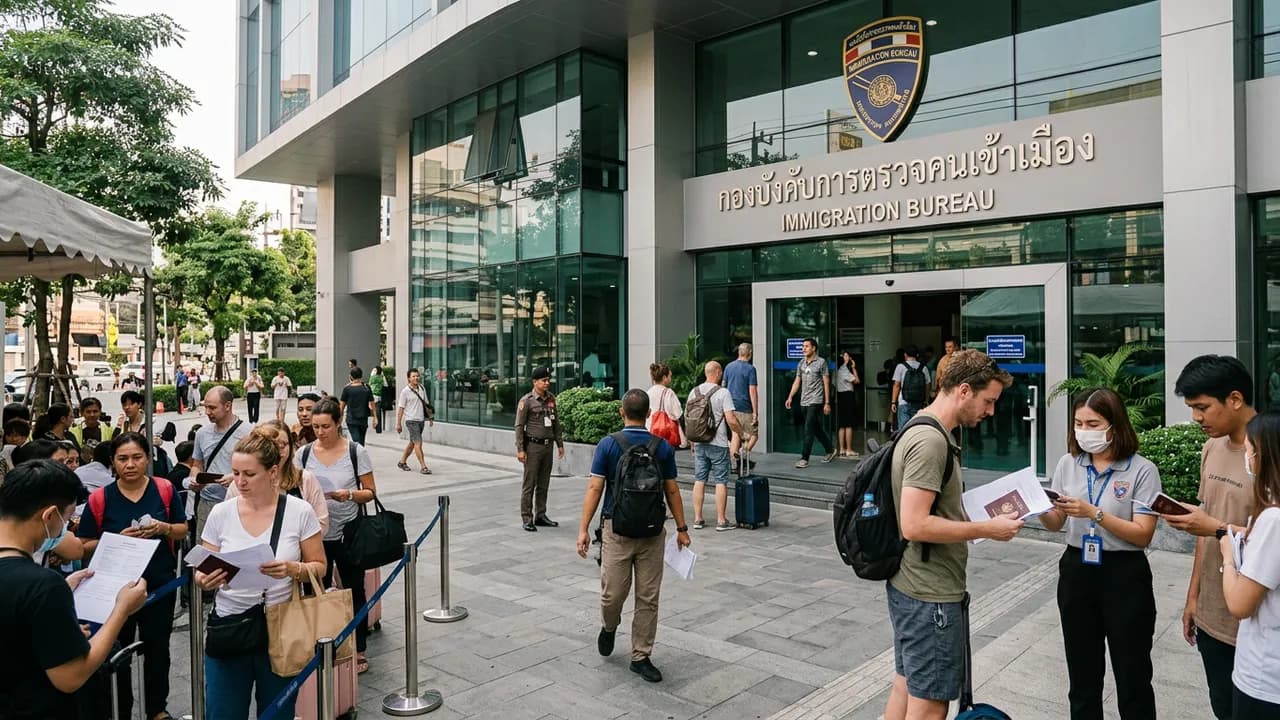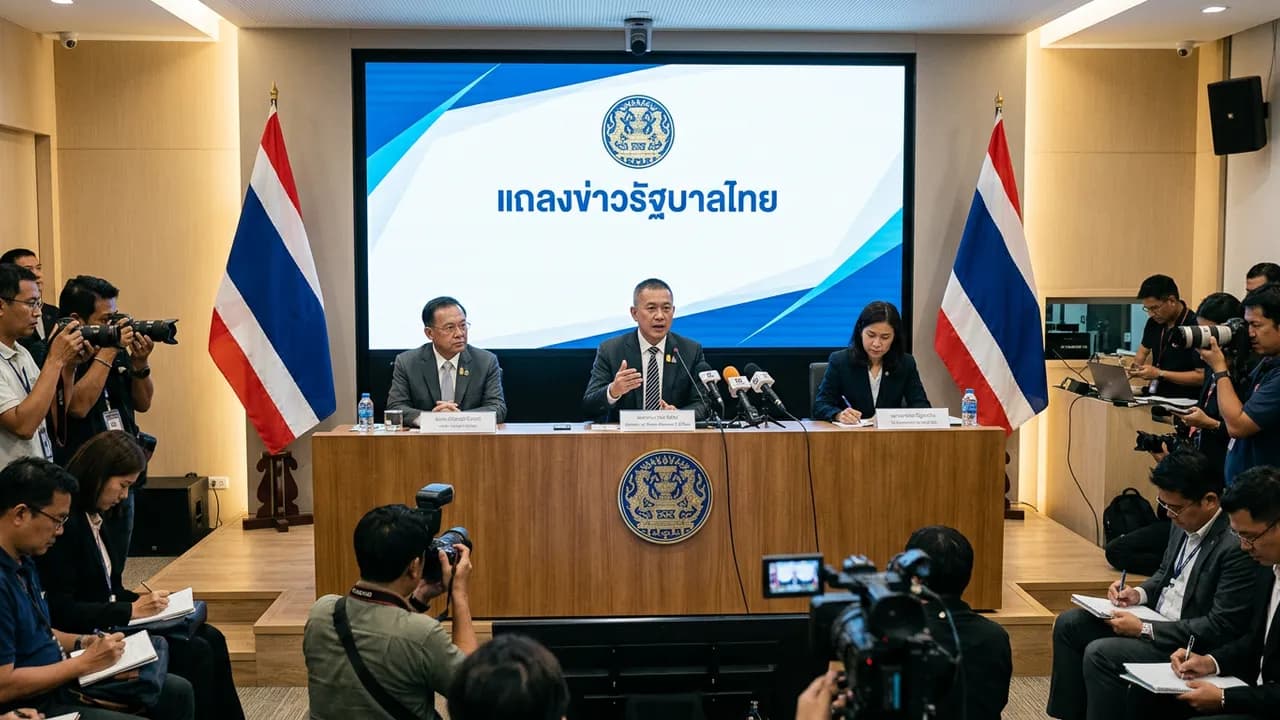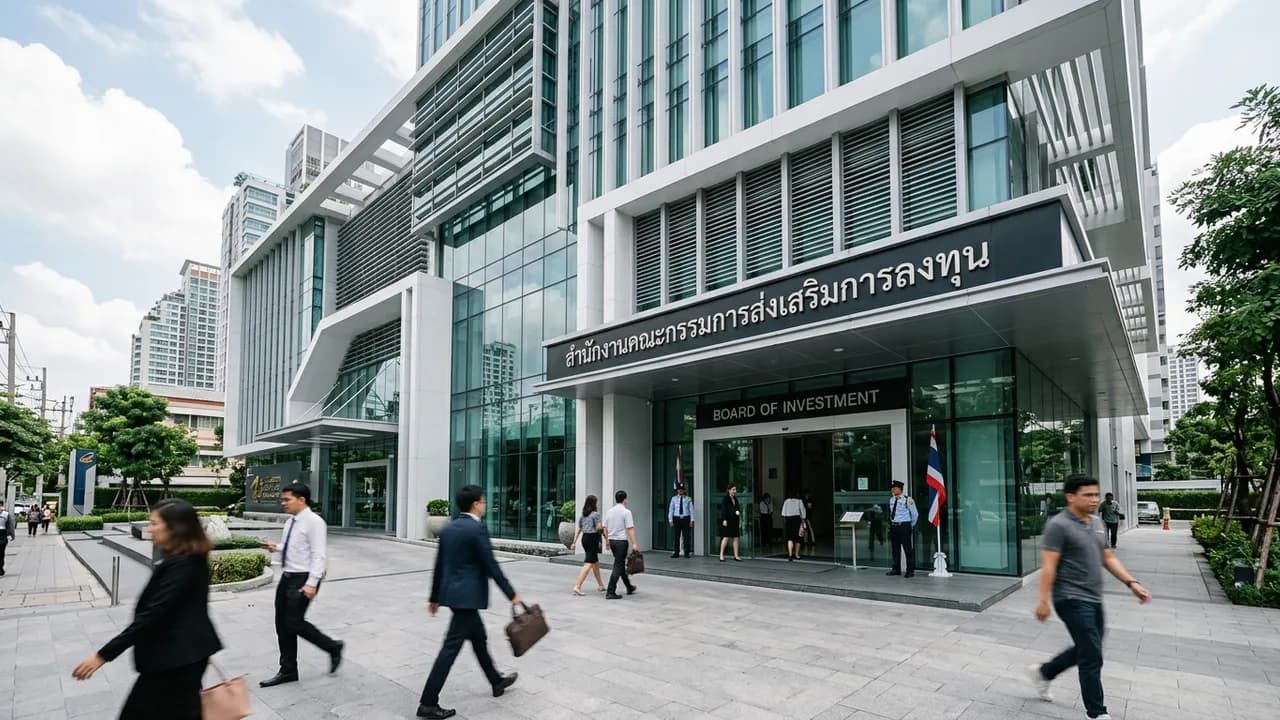
The 2026 LTR visa expansion builds on Thailand's Long-Term Resident (LTR) program — launched in September 2022 to attract high-value foreign residents who could contribute to the Thai economy through investment, expertise, or spending power. After a slow start, the program has gained momentum, and 2026 has brought several meaningful expansions and policy adjustments aimed at broadening its appeal.
Quick Facts: LTR Visa in 2026
| Detail | Current Status (2026) |
|---|---|
| Visa validity | 10 years (renewable) |
| Annual extension required | Yes, but simplified process |
| Application fee | No visa fee |
| Processing agency | Board of Investment (BOI) |
| Work permit | Digital work permit included for eligible categories |
| Personal income tax rate | Flat 17% for qualifying professionals |
| 90-day reporting | Exempted (annual reporting only) |
| Re-entry permit | Not required (multiple entry by default) |
The Four LTR Categories
The LTR visa has always been divided into four primary categories. Each targets a different type of high-value resident. In 2026, the requirements for each have been adjusted.
1. Wealthy Global Citizens
This category targets high-net-worth individuals who want to reside in Thailand regardless of employment status.
Updated Requirements (2026):
- Minimum personal wealth of 1,000,000 USD (unchanged)
- Minimum annual income of 80,000 USD from investments, pensions, or other passive sources (unchanged)
- Or minimum annual income of 40,000 USD combined with an investment of at least 250,000 USD in Thai government bonds, foreign direct investment, or Thai property (relaxed from 500,000 USD investment threshold)
- Health insurance with minimum coverage of 50,000 USD, or proof of at least 100,000 USD in deposits to self-insure
The reduction in the alternative investment threshold from 500,000 USD to 250,000 USD is the most significant change for this category, making it accessible to a broader pool of retirees and wealthy individuals.
2. Wealthy Pensioners
Designed for retirees aged 50 and above who receive stable pension income.
Updated Requirements (2026):
- Age 50 or older at time of application
- Annual pension or investment income of at least 80,000 USD
- Or annual pension income of at least 40,000 USD combined with investment of at least 250,000 USD in Thai government bonds, direct investment, or Thai property (reduced from 500,000 USD)
- Health insurance with minimum coverage of 50,000 USD, or 100,000 USD in deposits
New for 2026: Government pensions from OECD countries are now automatically accepted without additional verification, streamlining the application process for many retirees.
3. Work-from-Thailand Professionals
This category is aimed at remote workers and employees of established companies who want to work from Thailand.
Updated Requirements (2026):
- Personal annual income of at least 80,000 USD in the current or previous two years
- Or personal annual income of at least 40,000 USD combined with a master's degree or higher, or ownership of intellectual property or Series A funding (unchanged)
- Must be employed by a company that has been established for at least 3 years (reduced from 5 years)
- Employer must have combined annual revenue of at least 50,000,000 USD in the past 3 years (reduced from 150,000,000 USD)
The reduction in employer requirements is a major shift. The original thresholds effectively limited this category to employees of Fortune 500-level companies. The revised thresholds open the door to employees of successful mid-sized companies and well-funded startups.
4. Highly Skilled Professionals
For specialists with expertise in targeted industries that align with Thailand's economic development priorities.
Updated Requirements (2026):
- Annual income of at least 80,000 USD in current or previous two years
- Or annual income of at least 40,000 USD combined with a master's degree or higher in a relevant field, with at least 5 years of experience in the targeted industry
- Must work in one of Thailand's targeted industries
Expanded Targeted Industries (2026):
- Next-generation automotive
- Smart electronics
- Affluent medical and wellness tourism
- Agriculture and biotechnology
- Food for the future
- Automation and robotics
- Aviation and logistics
- Biofuels and biochemicals
- Digital technology
- Medical hub
- Sustainable energy and carbon markets (new for 2026)
- Advanced materials and nanotechnology (new for 2026)
- Space technology and geoinformatics (new for 2026)
The addition of three new targeted industries reflects Thailand's evolving economic priorities, particularly in sustainability and advanced manufacturing.
Tax Benefits: The 17% Flat Rate
One of the LTR visa's most attractive features is its tax treatment. Qualifying LTR holders in the "Highly Skilled Professionals" and "Work-from-Thailand Professionals" categories benefit from:
- Flat 17% personal income tax rate on Thai-sourced income, compared to the standard progressive rate that peaks at 35%
- Exemption from foreign-sourced income tax — income earned outside Thailand and remitted to the country is not subject to Thai income tax for LTR holders, regardless of how many days they spend in the country
How This Compares
| Tax Feature | Standard Tax Resident | LTR Holder |
|---|---|---|
| Top income tax rate | 35% | 17% (flat) |
| Foreign income remitted to Thailand | Taxable (since 2024) | Exempt |
| Double taxation treaty benefits | Available | Available + flat rate |
| Social security contributions | Required if employed | Exempt |
This tax advantage is particularly compelling in 2026 given Thailand's enforcement of taxation on foreign income remittances for standard tax residents. LTR holders are explicitly carved out from this policy.
Work Permit Privileges
Digital Work Permit
LTR visa holders in the "Work-from-Thailand" and "Highly Skilled" categories receive a digital work permit through the BOI's single-window system. This eliminates the need for a separate work permit application, which traditionally requires employer sponsorship.
Key advantages:
- Issued concurrently with the LTR visa endorsement
- No need for a Thai employer to sponsor the work permit
- Covers remote work for overseas employers
- Can be used for work with Thai-registered companies in targeted industries
- No separate work permit fees
- Valid for the duration of the LTR visa (renewed annually with the visa)
Employment Flexibility
In 2026, the BOI clarified that LTR holders with digital work permits may:
- Work remotely for foreign companies without restriction
- Take on consulting engagements with Thai companies in targeted industries
- Serve as directors or advisors for Thai-registered companies
- Switch employers without needing to apply for a new work permit (notification to BOI required within 15 days)
This flexibility is a significant improvement over traditional work permits, which are tied to a specific employer and job title.
Application Process and Statistics
How to Apply
The LTR visa application process goes through the Board of Investment (BOI), not through Thai embassies:
- Submit application online through the BOI's LTR visa portal (ltr.boi.go.th)
- BOI review — The BOI evaluates the application against the category requirements (20 business days)
- Endorsement letter — Approved applicants receive a BOI endorsement letter
- Visa issuance — Present the endorsement letter at a Thai embassy abroad or at Immigration in Thailand to receive the LTR visa stamp
- Digital work permit — For eligible categories, the work permit is issued through the BOI's online system
Processing Times in 2026
| Stage | Typical Timeline |
|---|---|
| BOI application review | 15-20 business days |
| Endorsement letter issuance | 3-5 business days after approval |
| Visa stamp at embassy | 3-7 business days |
| Visa stamp at Thai Immigration (in-country) | 1-3 business days |
| Digital work permit issuance | Same day as visa endorsement |
Total processing time from application to visa in hand is typically 4-6 weeks, though complex cases can take longer.
Application Statistics
The LTR program saw slow uptake in its first year but has gained traction:
| Period | Applications | Approvals | Approval Rate |
|---|---|---|---|
| Sep 2022 - Dec 2023 | ~3,500 | ~2,800 | ~80% |
| Jan 2024 - Dec 2024 | ~5,200 | ~4,100 | ~79% |
| Jan 2025 - Dec 2025 | ~8,400 | ~6,900 | ~82% |
| Jan 2026 - Feb 2026 | ~1,800 | ~1,500 | ~83% |
The increasing approval rate suggests that both applicants and the BOI have become more aligned on documentation standards and qualifying criteria.
Top Nationalities
Based on BOI data, the top nationalities for LTR visa holders as of early 2026 are:
- United States
- United Kingdom
- China
- Japan
- Germany
- Australia
- France
- South Korea
- Singapore
- Canada
LTR vs. Thailand Elite Visa
The LTR visa is often compared to the Thailand Elite visa (now called Thailand Privilege Card). Here is how they differ in 2026:
| Feature | LTR Visa | Thailand Elite |
|---|---|---|
| Validity | 10 years | 5-20 years |
| Cost | Free | 600,000-2,000,000 THB |
| Income requirement | 80,000 USD/year | None |
| Work authorization | Digital work permit included | No (separate work permit needed) |
| Tax benefits | 17% flat rate, foreign income exempt | None |
| 90-day reporting | Exempt (annual only) | Required |
| Airport fast-track | Available | Included |
| Application through | BOI | Thailand Privilege Card Co. |
For high-income professionals, the LTR visa is clearly superior in terms of cost and benefits. The Elite visa remains attractive for those who do not meet LTR income thresholds but have the funds for the membership fee and do not need work authorization.
Common Challenges and Tips
Documentation Pitfalls
- Income verification: The BOI requires official documentation — tax returns, audited financial statements, or employer-certified salary letters. Informal documentation like bank statements alone are usually insufficient
- Company verification: For the Work-from-Thailand category, be prepared to provide your employer's audited financials, company registration, and organizational chart
- Health insurance: Coverage must be valid in Thailand. Many international policies are accepted, but verify the minimum coverage amount
After Approval
- Annual reporting: LTR holders must report their address to Immigration once per year (instead of the standard 90-day reporting), which can be done online
- Re-entry: The LTR visa is multiple entry, so no re-entry permit is needed before traveling
- Renewal: The visa can be renewed before expiration, provided you continue to meet the qualifying criteria
- Cancellation: If your circumstances change (job loss, income drop), inform the BOI. The visa will not be automatically revoked, but renewal may be affected
Looking Ahead
The Thai government has set a target of 1,000,000 LTR visa holders by 2032, an ambitious figure given current application rates. To reach this goal, further expansions are likely:
- Reduced income thresholds for certain categories, possibly lowering the baseline from 80,000 USD to 60,000 USD
- Additional targeted industries aligned with Thailand's new S-curve economic strategy
- Spousal work authorization allowing dependents of LTR holders to obtain their own digital work permits
- Integration with Thailand's digital nomad ecosystem including DTV-to-LTR upgrade pathways
These changes are under discussion and not yet confirmed. We will update this article as new policies are announced.
Key Takeaways
The LTR visa expansion in 2026 makes Thailand's most premium visa product accessible to a wider pool of professionals and retirees. The reduced employer thresholds, expanded targeted industries, and streamlined processing represent meaningful improvements. Combined with the 17% flat tax rate and exemption from foreign income taxation, the LTR visa is one of the most competitive long-term residence programs in Southeast Asia.
For full details on the LTR visa categories and how to apply, see our LTR Visa Guide. For a comparison with other visa options, read our Thailand Visa Changes in 2026 overview.