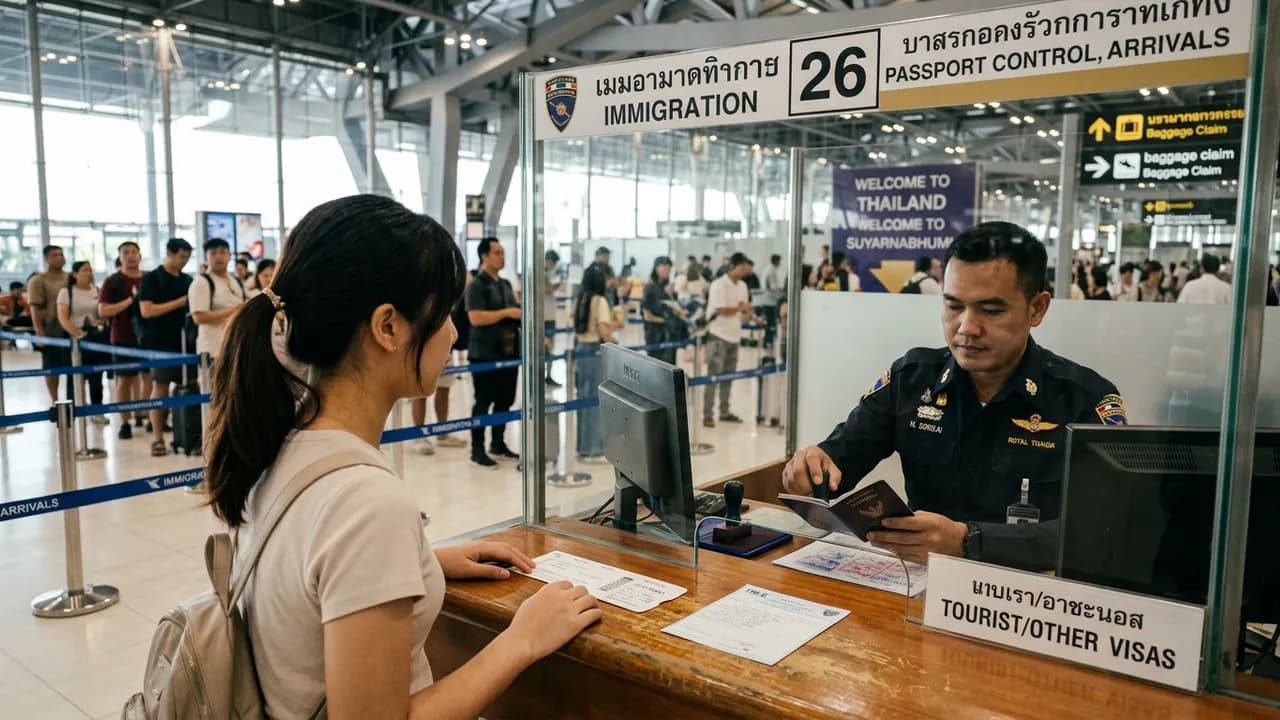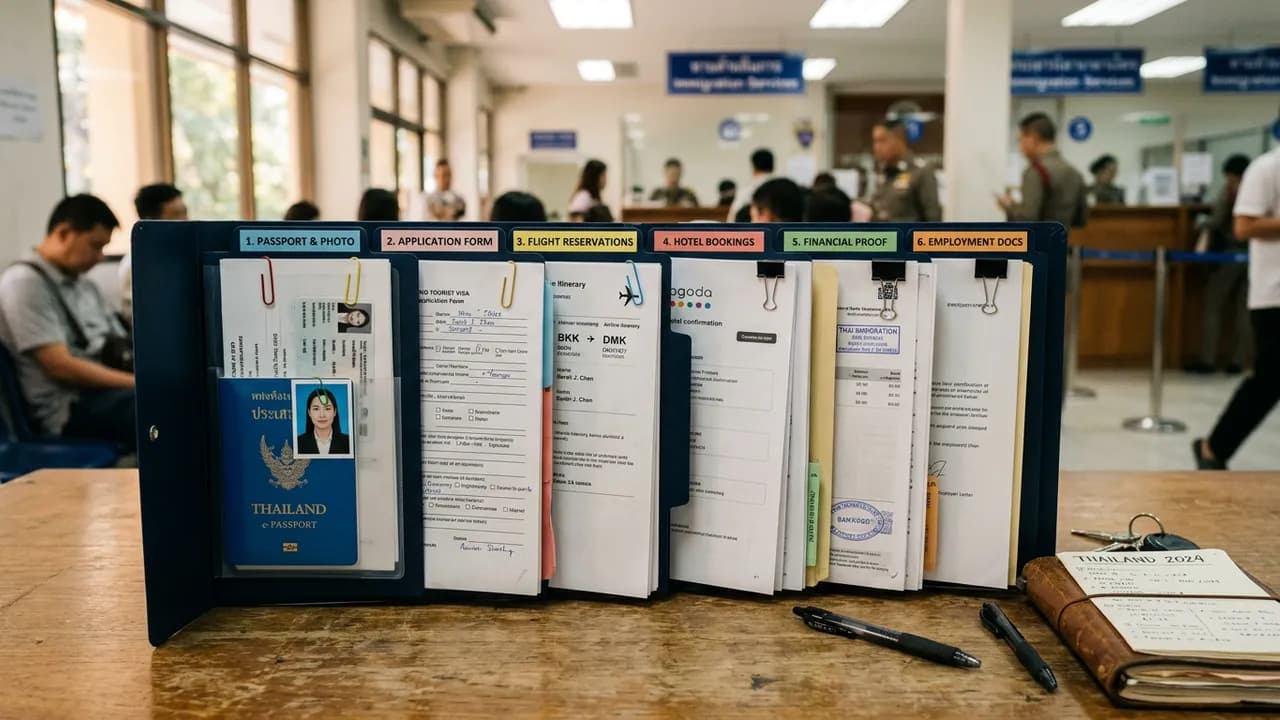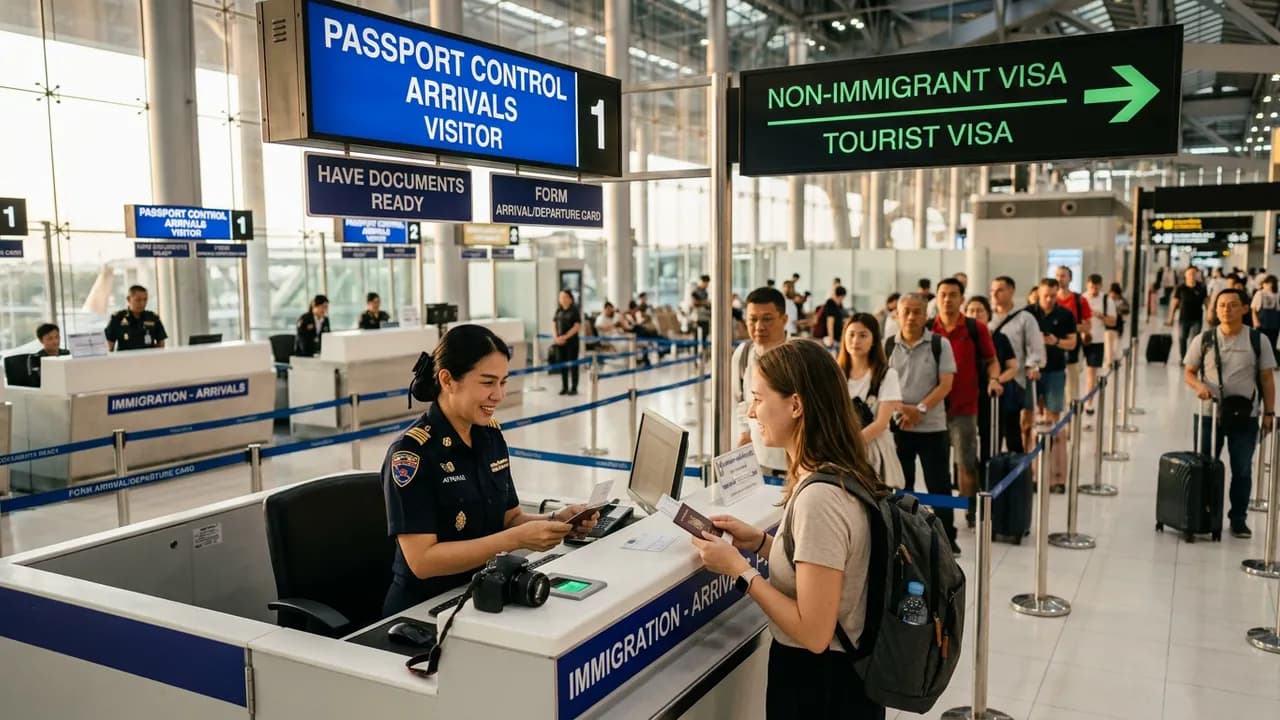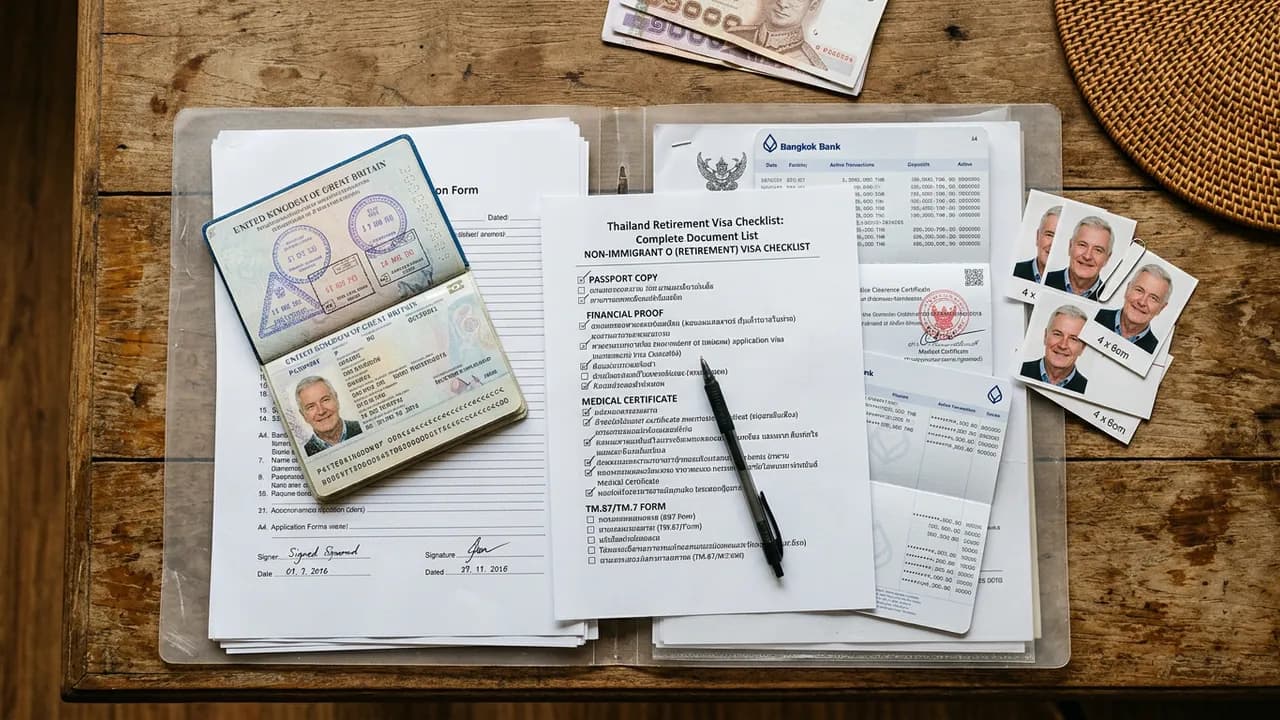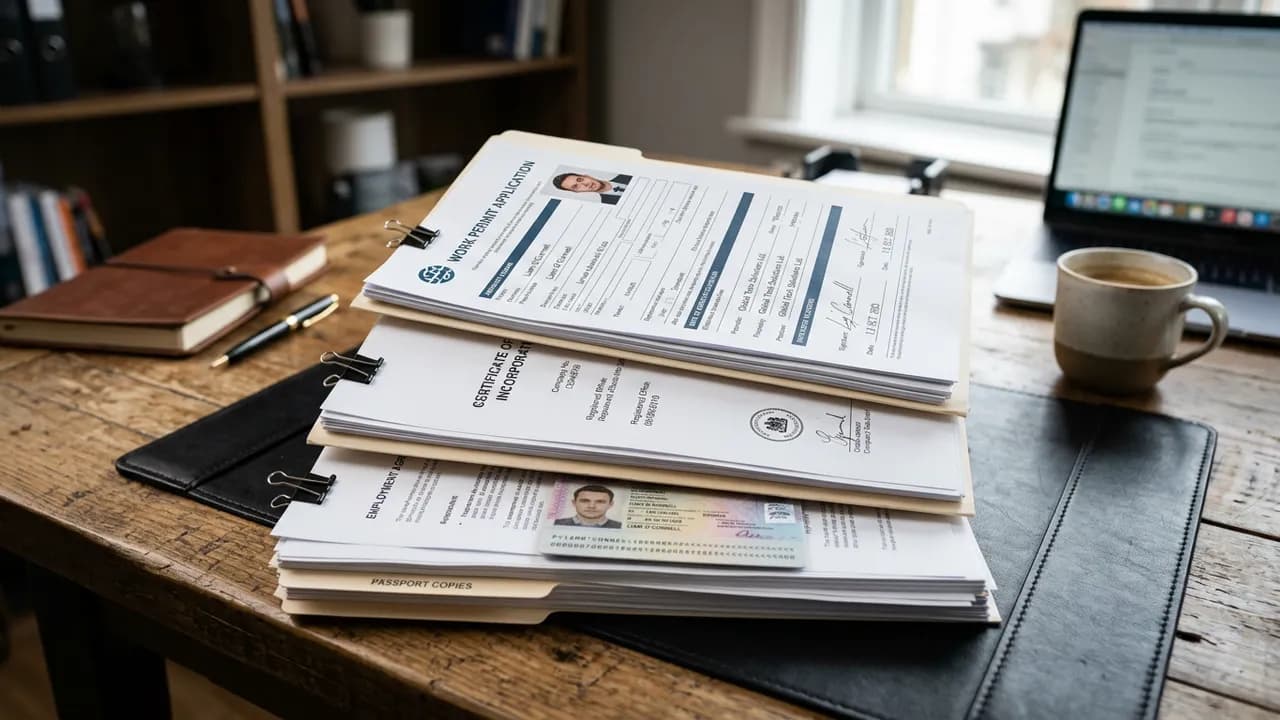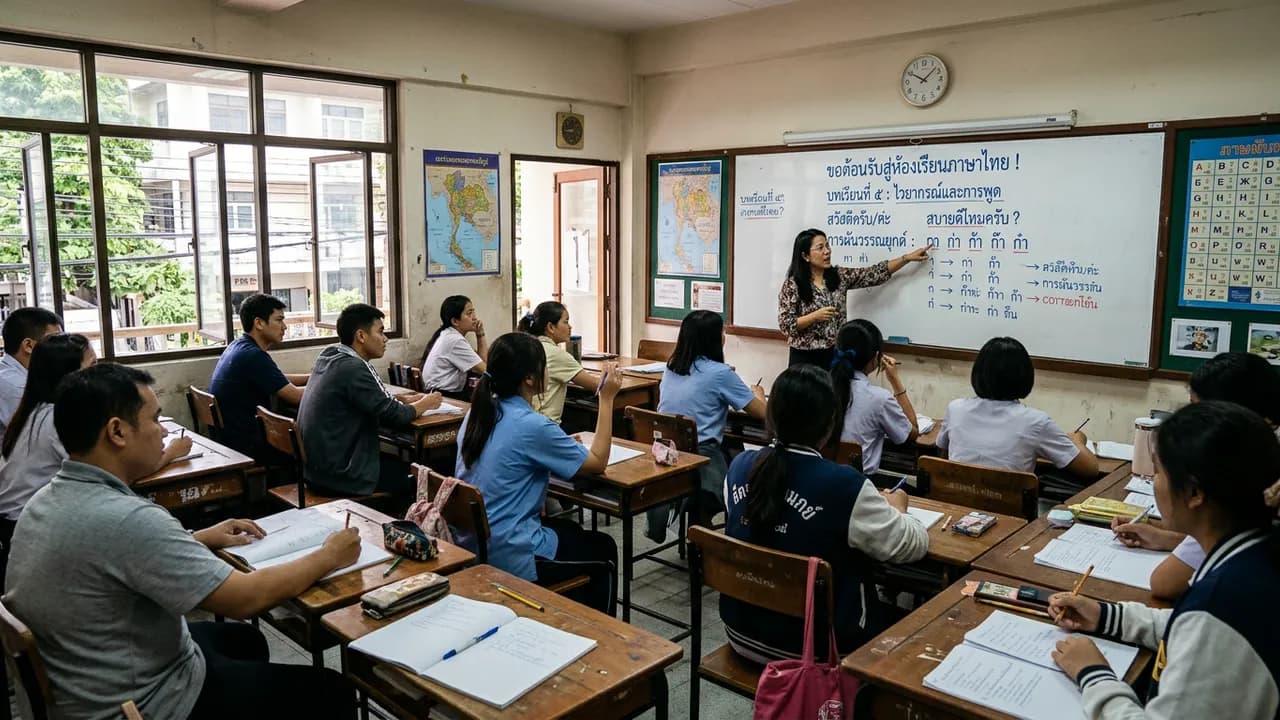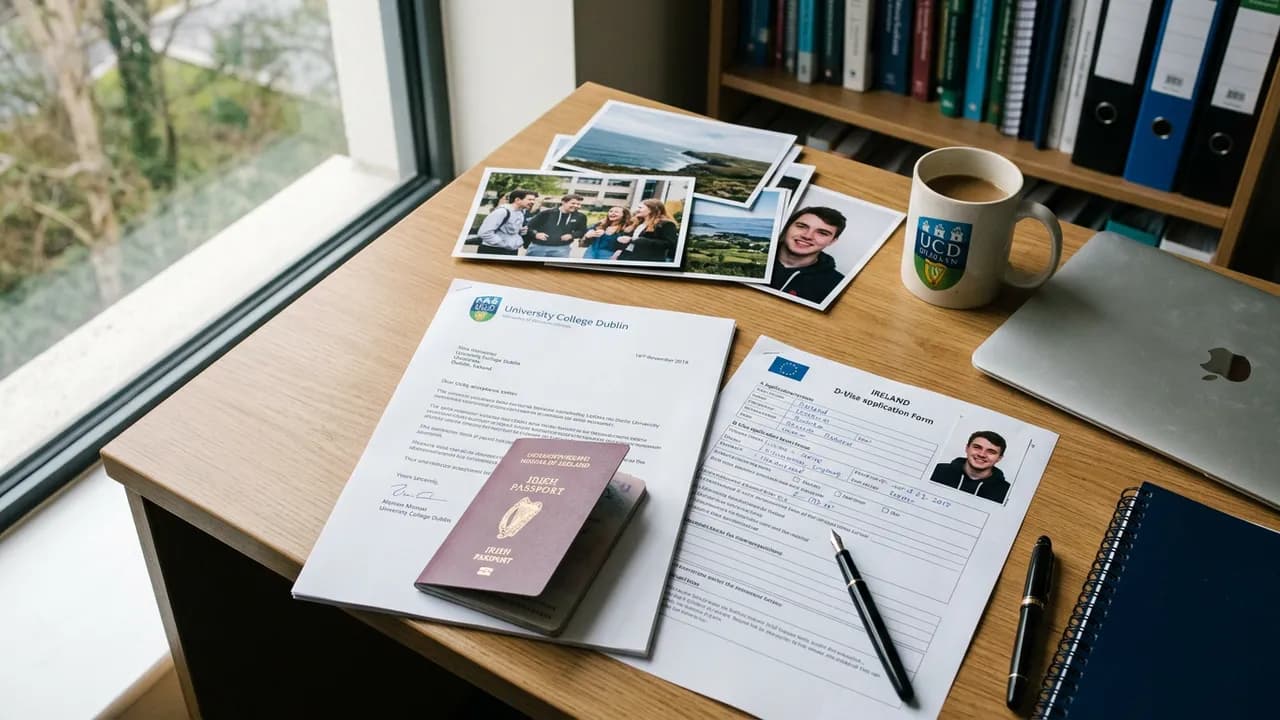
This Thailand Education Visa checklist covers the Non-Immigrant ED visa, which allows foreign nationals to study in Thailand at approved institutions, including universities, international schools, Thai language schools, Muay Thai academies, and vocational training programs. This checklist covers all the documents you need for both embassy applications abroad and in-country conversions.
Understanding Your Options
There are two primary paths to obtaining an education visa:
Path 1: Apply at a Thai Embassy Abroad
The standard route. You apply for a Non-Immigrant ED visa at a Thai embassy or consulate in your home country or country of residence before traveling to Thailand. This is the most straightforward approach and is recommended for first-time applicants.
Path 2: Convert Within Thailand
If you are already in Thailand on a tourist visa or visa exemption, some immigration offices allow you to convert your current entry to a Non-Immigrant ED visa without leaving the country. This is possible but not guaranteed — policies vary by office and change periodically. Bangkok Chaeng Watthana Immigration is the most reliable office for in-country conversions.
Quick Facts
| Detail | Information |
|---|---|
| Visa Type | Non-Immigrant ED |
| Initial Stay | 90 days |
| Extensions | 90 days at a time, for the duration of the course |
| Cost (Embassy) | 2,000 THB (single-entry) / 5,000 THB (multiple-entry) |
| Extension Fee | 1,900 THB per extension |
| Eligible Programs | University, language school, Muay Thai, cooking, vocational |
| Minimum Age | None (minors apply through parents/guardians) |
| Work Permitted | No (unless separate work permit obtained) |
Path 1: Embassy Application Checklist
Apply at a Thai embassy or consulate outside Thailand. Requirements vary by embassy, so always confirm with the specific location processing your application.
Personal Documents
-
Completed visa application form — Downloaded from the embassy website or completed through the e-Visa portal. All fields filled, signed, and dated.
-
Passport (original) — Valid for at least 6 months from the date of application. At least 2 blank visa pages available for stamps and stickers. See full passport requirements.
-
Passport photocopy — Clear copy of the biographical page. Some embassies also request copies of all previously used pages.
-
Two passport-sized photos (4x6 cm) — Taken within the last 6 months. White or light blue background. Professional quality, no selfies. Review the photo specifications to avoid rejection.
-
Cover letter / personal statement — A brief letter explaining why you want to study in Thailand, the program you have enrolled in, and your planned duration of study.
-
Proof of financial means — Bank statements from the last 3–6 months showing sufficient funds to support yourself during your stay. There is no official minimum amount, but most embassies expect to see a balance equivalent to at least 50,000–100,000 THB or evidence of regular income.
-
Criminal background check — Some embassies require this, particularly for long-term stays. Must be recently issued (within 3 months) and may need to be apostilled or authenticated.
-
Flight itinerary or booking — Proof of travel plans to Thailand. A confirmed booking is preferred, but some embassies accept itineraries.
School Documents (Provided by Your Institution)
-
Acceptance letter from the school — On official school letterhead, signed by the school director or authorized representative. Must state:
- Your full name and passport number
- The course name and description
- Start date and end date of the program
- Schedule (days and hours per week)
- Confirmation that you have been accepted and enrolled
-
School registration / license — A copy of the school's registration certificate issued by the Thai Ministry of Education or relevant governing body. This proves the school is authorized to accept foreign students on education visas.
-
Course syllabus or curriculum — An outline of what you will study. Some embassies request this for language school applications to verify the program is substantive.
-
Receipt of tuition payment — Proof that you have paid tuition (or at least a deposit) for the course. The amount varies by school and program.
-
Letter requesting visa issuance — Some schools provide a separate letter addressed to the embassy requesting that the visa be issued. This is standard practice for Thai language schools.
Path 2: In-Country Conversion Checklist
If you are already in Thailand on a tourist visa or visa exemption and want to convert to an education visa, you will need all the documents listed above plus additional items.
Additional Documents for Conversion
-
TM.86 application form — The form for changing visa category within Thailand. Available at immigration offices.
-
Current passport with valid entry stamp — Your tourist visa or visa exemption must still be valid (not expired) at the time of application.
-
Photocopies of all passport pages — Biographical page, all visa pages, all entry/exit stamps, and departure card (TM.6, front and back).
-
Proof of accommodation in Thailand — Hotel booking confirmation, rental agreement, or a letter from your landlord including a copy of their Thai ID card.
-
TM.30 notification receipt — Your landlord or hotel should have filed a TM.30 (notification of residence of a foreigner) with immigration. Bring the receipt or confirmation number.
-
Two passport-sized photos (4x6 cm) — Same specifications as the embassy application.
-
1,900 THB processing fee — For the change of visa category (separate from tuition and extension fees).
Important Notes on In-Country Conversion
- Not all offices accept conversions. Bangkok Chaeng Watthana is the most reliable. Chiang Mai, Phuket, and Pattaya offices may or may not process conversions depending on current policy.
- Timing: You must apply while your current visa or entry stamp is still valid. Do not wait until the last day — apply with at least 7–14 days remaining on your current stamp.
- Processing time: Conversions can take 1–3 weeks. You may receive a temporary stamp allowing you to stay while the application is processed.
Extension Documents (Every 90 Days)
Once you have your Non-Immigrant ED visa and are studying in Thailand, you will need to extend your stay every 90 days. Your school will assist with the documentation.
Required for Each Extension
-
TM.7 application form — The standard extension of stay form. Available at immigration offices.
-
Passport (original) — With valid Non-Immigrant ED visa.
-
Passport photocopies — Biographical page, visa page, latest entry stamp, departure card.
-
One passport-sized photo (4x6 cm) — Recent.
-
Letter from the school — Confirming your continued enrollment, attendance record, and satisfactory progress. This letter is critical — immigration takes school attendance seriously.
-
Attendance record — Some immigration offices request the actual attendance log or percentage. Aim for at least 80% attendance to avoid problems.
-
Receipt of tuition payment — For the current or upcoming term.
-
School's Ministry of Education license — A copy may be requested at each extension.
-
1,900 THB — Extension fee, cash only.
Types of Eligible Programs
Thai Language Schools
The most common route for foreigners seeking an education visa. Programs typically run for 1 year with classes 2–4 days per week.
- Cost: 20,000–40,000 THB per year (tuition only)
- Schedule: Usually 4–8 hours per week minimum
- Attendance requirement: Schools report attendance to immigration
- Popular locations: Bangkok, Chiang Mai, Phuket, Pattaya
Universities
Degree programs (bachelor's, master's, doctoral) and certificate programs at Thai universities.
- Cost: Varies widely — 50,000 THB to 500,000+ THB per year depending on institution and program
- International programs taught in English are available at most major universities
- The university handles most visa paperwork through their international student office
Muay Thai Academies
Training at a certified Muay Thai gym qualifies for an education visa.
- Cost: 15,000–50,000 THB for a visa-qualifying program (3–12 months)
- Requirement: The gym must hold a Ministry of Education license or sports authority certification
- Schedule: Typically daily training sessions
- Popular locations: Bangkok, Chiang Mai, Phuket, Koh Samui
Cooking Schools
Certified Thai cooking programs also qualify for the education visa.
- Cost: 30,000–80,000 THB for a visa-qualifying program
- Duration: Programs structured for visa purposes are typically 3–6 months
- The school must hold proper Ministry of Education accreditation
Vocational Training
Trade and vocational programs at certified institutions qualify for education visas.
Common Mistakes to Avoid
Document Errors
- Expired passport: Ensure at least 6 months validity from your application date, not your planned entry date
- Wrong photo specifications: 4x6 cm, white or blue background, recent (within 6 months). Casual photos or photos with filters will be rejected.
- Missing school letter: The acceptance letter is the single most important document. Without it, your application will be rejected immediately.
- Incomplete financial proof: Bank statements should cover 3–6 months and show a reasonable balance. A single recent deposit looks suspicious.
School Selection Errors
- Unaccredited schools: Not all language schools and academies are authorized to issue education visa documentation. Verify that your school holds a valid Ministry of Education license before enrolling.
- Shut-down risk: Some schools have been closed by authorities for selling visa documentation without providing genuine education. Choose established, reputable schools.
- Hidden fees: Some schools charge separate fees for "visa processing" or "document preparation" on top of tuition. Clarify all costs upfront.
Process Errors
- Working on an education visa: The Non-Immigrant ED visa does not permit any form of work. Working without a separate work permit can result in arrest, fines, and deportation.
- Skipping classes: Immigration increasingly scrutinizes attendance records. Poor attendance can result in extension denial and a 7-day order to leave Thailand.
- Missing the extension deadline: Apply for your 90-day extension before it expires. Overstaying even one day results in a 500 THB/day fine and potential future entry complications.
- Forgetting 90-day reporting: If your cumulative stay exceeds 90 consecutive days, you must file a separate 90-day address report with immigration. This is in addition to your visa extension.
Costs Summary
| Item | Cost |
|---|---|
| Non-Immigrant ED Visa (single-entry, embassy) | 2,000 THB |
| Non-Immigrant ED Visa (multiple-entry, embassy) | 5,000 THB |
| In-country visa conversion | 1,900 THB |
| 90-day extension of stay | 1,900 THB per extension |
| Re-entry permit (single) | 1,000 THB |
| Re-entry permit (multiple) | 3,800 THB |
| Thai language school tuition (typical) | 20,000–40,000 THB/year |
| University tuition (varies widely) | 50,000–500,000+ THB/year |
| Muay Thai program (visa-qualifying) | 15,000–50,000 THB |
Re-Entry Permits
If you plan to travel outside Thailand during your studies, you must obtain a re-entry permit before leaving. Without one, your Non-Immigrant ED visa will be cancelled when you exit the country.
- Single re-entry permit: 1,000 THB — allows one exit and re-entry
- Multiple re-entry permit: 3,800 THB — allows unlimited exits and re-entries during your current extension period
Re-entry permits are available at immigration offices and at international airport immigration counters (before passport control on departure).
After Receiving Your Education Visa
- Attend classes regularly — your school reports attendance to immigration
- Keep all receipts — tuition payments, extension receipts, and 90-day reporting confirmations
- File 90-day reports on time — in person, by mail, or online
- Renew your extension before it expires — apply 2–4 weeks early
- Get a re-entry permit before any international travel
- Notify your school of any address changes or planned absences
Summary
The education visa is a practical option for foreigners who want to stay in Thailand long-term while learning Thai language, martial arts, cooking, or pursuing a university degree. The key to success is choosing an accredited school, keeping your documents organized, maintaining good attendance, and never missing an extension or reporting deadline. Start gathering your documents at least 4–6 weeks before your planned application date.