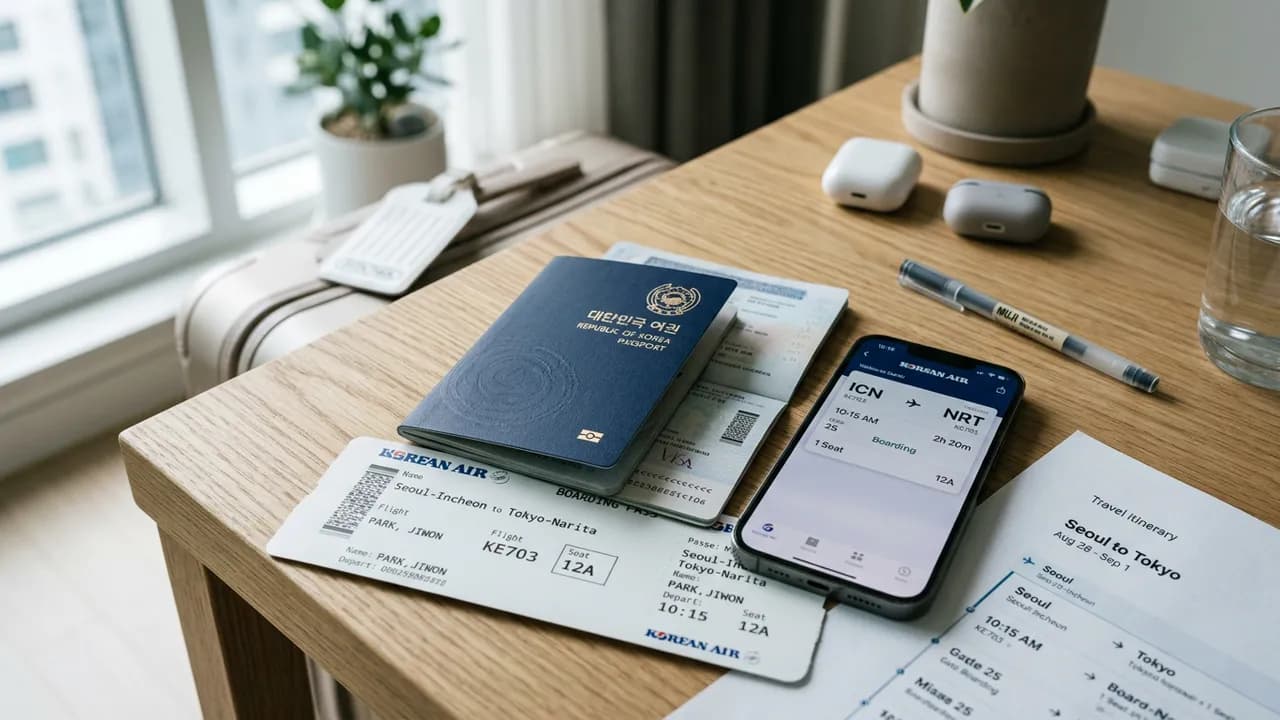
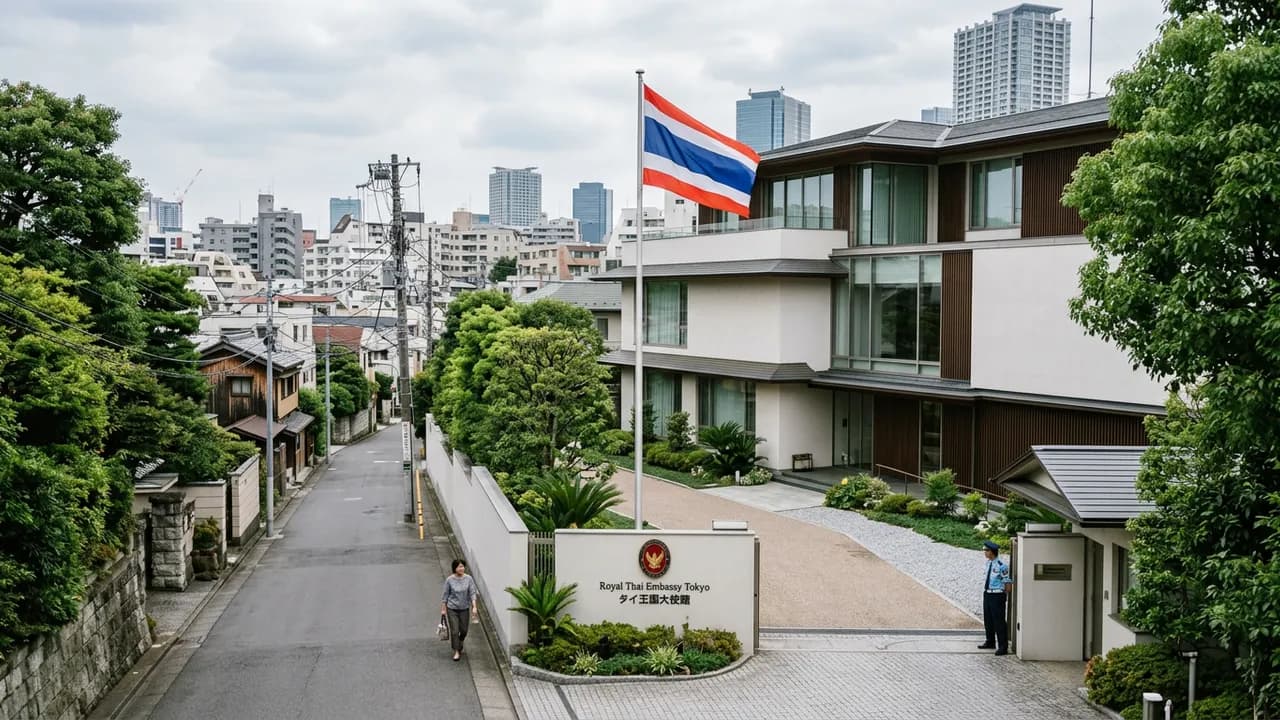
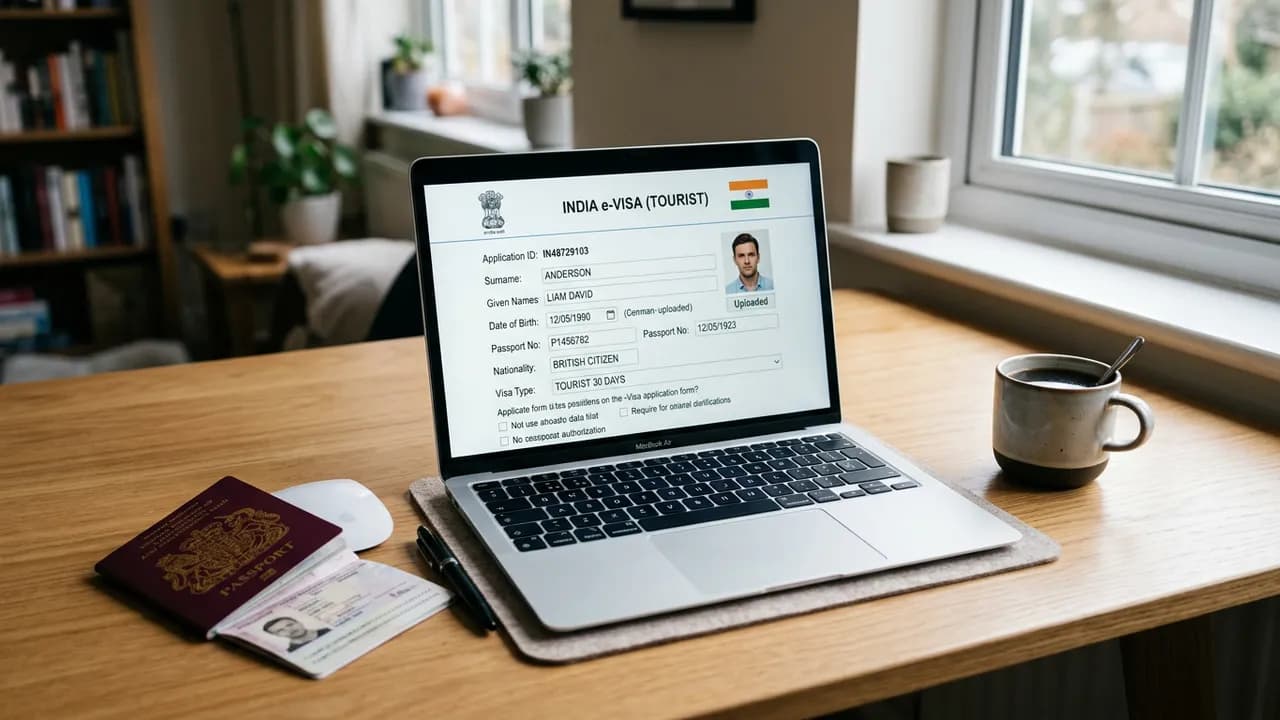
The Royal Thai Embassy in Seoul handles Thai visas for anyone who is in South Korea when they apply, and that includes more people than at most Thai missions in Asia. Foreigners who live in Korea can apply here, and so can foreigners who only entered Korea on a K-ETA or an arrival stamp, as long as they are in the country on the day they submit. The catch is the DTV: for foreign nationals, the embassy's DTV checklist wants an alien registration card showing a permanent residence visa.
Most Korean citizens never need the embassy at all. South Korea has its own visa exemption agreement with Thailand that gives Korean passport holders up to 90 days, which is longer than the 30 days most Western passports now get.
Quick Facts
| Detail | Information |
|---|---|
| Official name | Royal Thai Embassy, Seoul |
| Address | 42 Daesagwan-ro, Yongsan-gu, Seoul 04402 (Hannam-dong) |
| Phone (embassy) | +82 2 790 2955, +82 2 795 0095, +82 2 795 3098 |
| Phone (consular section) | 02-795-3253, 02-795-1593, 02-795-1594, 02-795-0981 |
| Visa section and enquiries | Monday to Friday, 09:00 to 12:00 |
| Consular section (other services) | Monday to Friday, 09:00 to 12:00 and 13:00 to 15:00, per the embassy's map page |
| Closed | Weekends and embassy holidays |
| Jurisdiction | Republic of Korea. You must be in Korea on the day you submit |
| Visa applications | Online only at thaievisa.go.th |
| Stated processing time | About 7 business days from submission, if the documents are in order |
| Fees (KRW, "as of November 17, 2025", read 16 Sep 2026) | Transit 40,000; tourist 50,000 single / 250,000 six-month multiple; Non-Immigrant 100,000 single; DTV 500,000 |
Which Areas This Mission Covers
The embassy covers the Republic of Korea. Its visa page sets two conditions:
- Who: foreign nationals with legal or permanent residence in South Korea, or foreign nationals who entered South Korea with a K-ETA or an entry stamp or sticker. The embassy says this route is open to all nationalities.
- Where you are: "Applicants must be residing in the Republic of Korea on the date of visa application submission." Consular officers can cancel or reject an application if you weren't in Korea when you submitted it.
So a traveller spending a few weeks in Seoul can use this embassy for a tourist or Non-Immigrant visa. That's a real difference from missions such as Hong Kong, which refuse visitors outright.
The DTV is stricter. The embassy's Korean-language DTV page asks foreign nationals for both sides of their alien registration card, with the note "영구 거주 비자 필수" (permanent residence visa required). Korean nationals instead provide an English resident registration certificate and an English immigration record covering the past year.
Do You Need a Visa?
Korean passport holders don't need a visa for a holiday. South Korea isn't on the new 30-day exemption list that took effect on 15 September 2026. Korean travellers are covered by a separate bilateral visa exemption agreement with Thailand instead. The MFA Department of Consular Affairs lists Korea (ROK) among the countries whose ordinary passport holders can stay up to 90 days without a visa, alongside Argentina, Brazil, Chile and Peru. The Royal Gazette change didn't alter bilateral agreements.
One warning: the embassy's own visa exemption page (last updated 30 December 2025) still describes the earlier scheme, "not exceeding 60 days (extendable up to maximum 90 days per entry)". That page predates the September 2026 change. The 90-day bilateral figure comes from the MFA list above. For planning details, see our Thailand visa guide for South Koreans.
Foreigners living in Korea get whatever their own passport gets. For most Western passports that is 30 days, extendable once by 30 days for 1,900 THB. Check the visa exemption page and what changed in September 2026.
You need the embassy when you want:
- A stay longer than your exemption allows, or any stay if your passport isn't exempt
- A Non-Immigrant B visa for business or work
- A Non-Immigrant O visa for family or retirement
- The Destination Thailand Visa (DTV)
- Passport, ID or legalisation services
How to Apply
- Be in Korea when you submit. This is the embassy's firmest rule.
- Register at thaievisa.go.th and choose the Royal Thai Embassy, Seoul.
- Upload your documents, including proof of your status in Korea. The embassy's eligibility rule is framed around legal or permanent residence, a K-ETA, or an entry stamp or sticker.
- Pay online through the portal. You don't need to visit the embassy to submit.
- Check your result after about 7 business days, not counting weekends and public holidays, provided nothing is wrong with your documents.
The embassy says actual processing time depends on its circumstances, so leave a margin. Our e-Visa guide covers the portal itself.
Practical Notes
Korean nationals are listed as fee-exempt. The embassy's fee table has a "Countries Exempt from Visa Fees" line naming South Korea, Malaysia, Singapore, Tunisia and the Philippines (the Philippines for tourist visas only). Everyone else pays the listed fees.
Full fee table (as of 17 November 2025): transit KRW 40,000 per entry; tourist 50,000 single or 250,000 multiple (six months); Non-Immigrant 100,000 single, 250,000 multiple (one year), 500,000 multiple (three years); SMART Visa 500,000 to 2,000,000 depending on length; LTR 2,500,000; DTV 500,000.
The rest of the DTV checklist. A bank balance of at least 500,000 THB kept for three months, and an English-language criminal record certificate issued within three months of your application. The page was updated on 14 September 2026, so expect it to be current.
Phone the visa line in the morning. Visa enquiries are handled 09:00 to 12:00 on weekdays. The embassy's older map page gives the wider consular section an extra 13:00 to 15:00 window for other services.
Two street numbers. The embassy's visa page and directory give 42 Daesagwan-ro. An older map page on the same site lists the consular section at 45 Daesagwan-ro, Hannam-dong. Visa applications are online, so this only matters if you need to go in for another service.
Frequently Asked Questions
How long can Koreans stay in Thailand without a visa?
Up to 90 days, under Thailand's bilateral visa exemption agreement with South Korea, as listed by the MFA Department of Consular Affairs. Korea is not on the new 30-day list, so the September 2026 change doesn't shorten it.
Can foreigners apply for a Thai visa in Seoul?
Yes. Foreign nationals with legal or permanent residence in Korea, or who entered on a K-ETA or entry stamp, can apply through the e-Visa portal. You must be in Korea on the day you submit, or the embassy can cancel or reject the application.
How long does a Thai visa take at the Seoul embassy?
About 7 business days from submission, excluding weekends and public holidays, if there are no problems with your documents. The embassy notes that actual timing depends on its circumstances.
Do Koreans pay a Thai visa fee?
The embassy lists South Korea among the "Countries Exempt from Visa Fees", along with Malaysia, Singapore and Tunisia. Other nationalities pay from KRW 40,000 for a transit visa to KRW 500,000 for a DTV.
Can a foreigner living in Korea get a DTV from the Seoul embassy?
Only with the right status. The embassy's DTV checklist asks foreign nationals for their alien registration card and notes that a permanent residence visa is required. It also wants 500,000 THB held for three months and a recent English criminal record certificate.
Where is the Thai embassy in Seoul?
At 42 Daesagwan-ro, Yongsan-gu, Seoul 04402, in Hannam-dong. The visa section handles enquiries on weekdays from 09:00 to 12:00; applications themselves are filed online.
Sources
- Royal Thai Embassy Seoul: Visa Application Information (updated 28 Aug 2026)
- Royal Thai Embassy Seoul: Destination Thailand Visa (DTV), Korean (updated 14 Sep 2026)
- Royal Thai Embassy Seoul: Visa Exemption Scheme (updated 30 Dec 2025, pre-dates the September 2026 change)
- Royal Thai Embassy Seoul: Updated Directory
- Royal Thai Embassy Seoul: Embassy Map
- MFA Department of Consular Affairs: Countries with bilateral visa exemption agreements (ordinary passports), 24 Feb 2025
- TAT Newsroom: new 30-day and 15-day visa exemption rules from 15 September